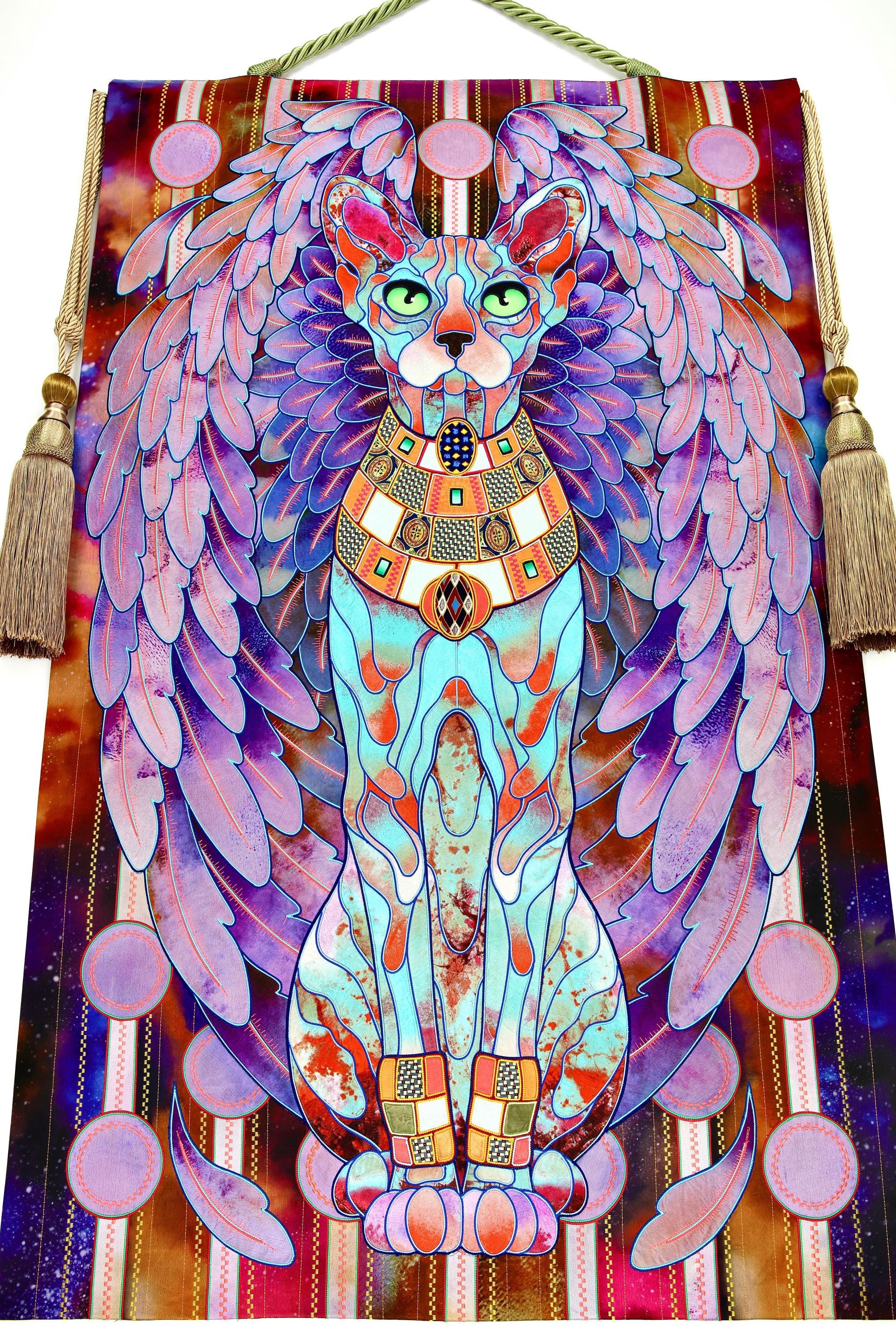
Figurative art is a type of art that focuses on recognizable subjects, such as human figures, animals, and shapes that suggest living beings. It can be represented in a realistic, stylized, fragmented, or dream-like manner. The starting point for this style of art is recognition, but the possibilities are endless. A work of figurative art may feature a woman in profile, a beautiful bird, or even a body reduced to just a few lines, yet it still conveys ideas about identity, vulnerability, beauty, strength, and memory.One of the reasons why figurative art remains popular is because it provides viewers with a direct entry point into the work. Unlike pure abstraction, which requires the viewer to interpret the artwork alone based solely on form, color, and composition, figurative art adds gesture, expression, and narrative elements to the mix. This makes it more accessible and engaging for viewers, as they can relate to the characters and stories depicted in the artwork.Some of the best examples of figurative art are open-ended and allow viewers to continue interpreting them for years to come, making them timeless and everlasting.The term "figurative art" is broad and should not be treated as a single visual style by collectors. It encompasses a wide range of forms, such as classical portraiture, expressive painting, contemporary drawing, sculpture, photography, and textile work.What sets a powerful piece apart is not the degree of realism but rather the sense of necessity in the visual choices made by the artist. In contemporary art, distortion is often used as a means to convey meaning. Distorted figures, such as stretched necks, exaggerated hands, or compressed space, can express emotions that a more realistic representation could not. The figure can become a conduit for the artist's message, creating tension or softness in a space.Animal-inspired imagery has a unique power that is both similar and distinct from that of portrait art. While it is less specific to social contexts, it often carries more symbolic meaning. A horse, bird, deer, or other animal can represent instincts, freedom, watchfulness, or rituals. In an elegant interior, this type of imagery can be especially effective when it avoids clichés and maintains a clear artistic vision.Materials play a significant role in shaping the experience of art. A metaphorical representation cannot exist independently of its medium. Whether painted in oil, cast in bronze, printed on paper, or embroidered on silk, the same subject will create different relationships with space. For collectors who seek alternatives to traditional paintings in frames, the material is not just an afterthought; it is an essential part of the artwork's essence and impact.Silk textile art brings a unique dynamic to figurative art. The material has a luminosity, movement, and tactile intelligence that can't be replicated on flat surfaces. The uneven threads reflect light in different ways, causing the face or animal forms to seem to change throughout the day. From a distance, the image seems clear. But when you look closer, you can see the meticulous stitching, accumulation of lines, and physical labor that goes into creating the artwork.This dual experience makes museum-quality silk tapestries a particularly suitable choice for large-scale wall art. They exude a sense of visual authority without the harsh glare that can often be associated with highly polished works. Their textile nature can also soften the sound and add a warm touch to spaces that are dominated by stone, glass, or metal.However, it's important to approach the selection of a textile piece with intention. A textile should not be selected simply because it's soft or decorative. Instead, the size, imagery, and materials should be carefully considered to ensure that they make a meaningful impact in the space.The most powerful artwork starts with the actual work itself, rather than a gap above a sofa. However, the size and placement of the artwork determine whether its full potential will be fully realized. A piece that is intended to be the focal point of a space requires sufficient visual separation. In a dining room or entranceway, viewers may encounter the artwork while moving, so its silhouette and overall composition are essential. In a bedroom or intimate sitting area, a smaller piece can be fully appreciated with a closer approach.Before choosing colors, consider proportions. A work that is too small may get lost against a large wall, no matter how beautiful its colors are. A large textile piece can establish the focus of a room when placed above a console, bed, or seating arrangement. The exact size of the artwork should be considered in relation to the available wall space and other architectural features, such as lighting and negative space around the artwork.Then, consider the emotional impact of the image. A serene, frontal figure can anchor a space with poise. A dynamic animal form can inject movement. An abstract subject may appeal to collectors who prioritize ambiance over a literal narrative. There is no one-size-fits-all rule for whether figurative artwork should match the interior's color scheme. Often, a carefully chosen contrast can create a more memorable effect than perfect harmony.Lighting is also important. Natural light can reveal the beauty of silk, while artificial light allows artwork to remain visible after sunset. Avoid harsh lighting that flattens textures or makes a room feel sterile. A professional can advise on secure mounting and clearance for high-traffic areas.