-
Sun, Nov 15, 2026

A captivating animal image on a website or in an interior can significantly alter the emotional atmosphere. It can create a sense of anticipation in a dining area or infuse a private space with a sense of warmth and instinct. It can also give a hospitality area a memorable visual identity.
The most powerful animal artwork goes beyond simply providing a recognizable subject. It transforms the animal into a presence shaped by the artist's perspective and the material used. The intelligence of the composition adds depth and complexity to the image.
This distinction is crucial for collectors and designers. A generic print may fill a wall, but an original textile piece can transform an interior. Its value lies in the artistic originality and lasting visual impact.
-
Fri, Nov 13, 2026

A piece of artwork can look perfect in a room, but it can still be a bad purchase if its dimensions were inaccurately described. Knowing how to specify dimensions is not a minor detail in the description of an artwork. For collectors, designers, and installers, this information is crucial in turning an initial attraction into a confident purchase.
The dimensions of a piece of artwork go beyond just determining if it will fit on a wall. They affect sightlines, furniture arrangement, shipping requirements, installation planning, and how the artwork will look in the interior. For high-quality silk tapestries and textiles sculptures, precision is especially important. A tactile piece has depth, drape, and physical presence that cannot be fully conveyed in a flat image.
-
Wed, Nov 11, 2026
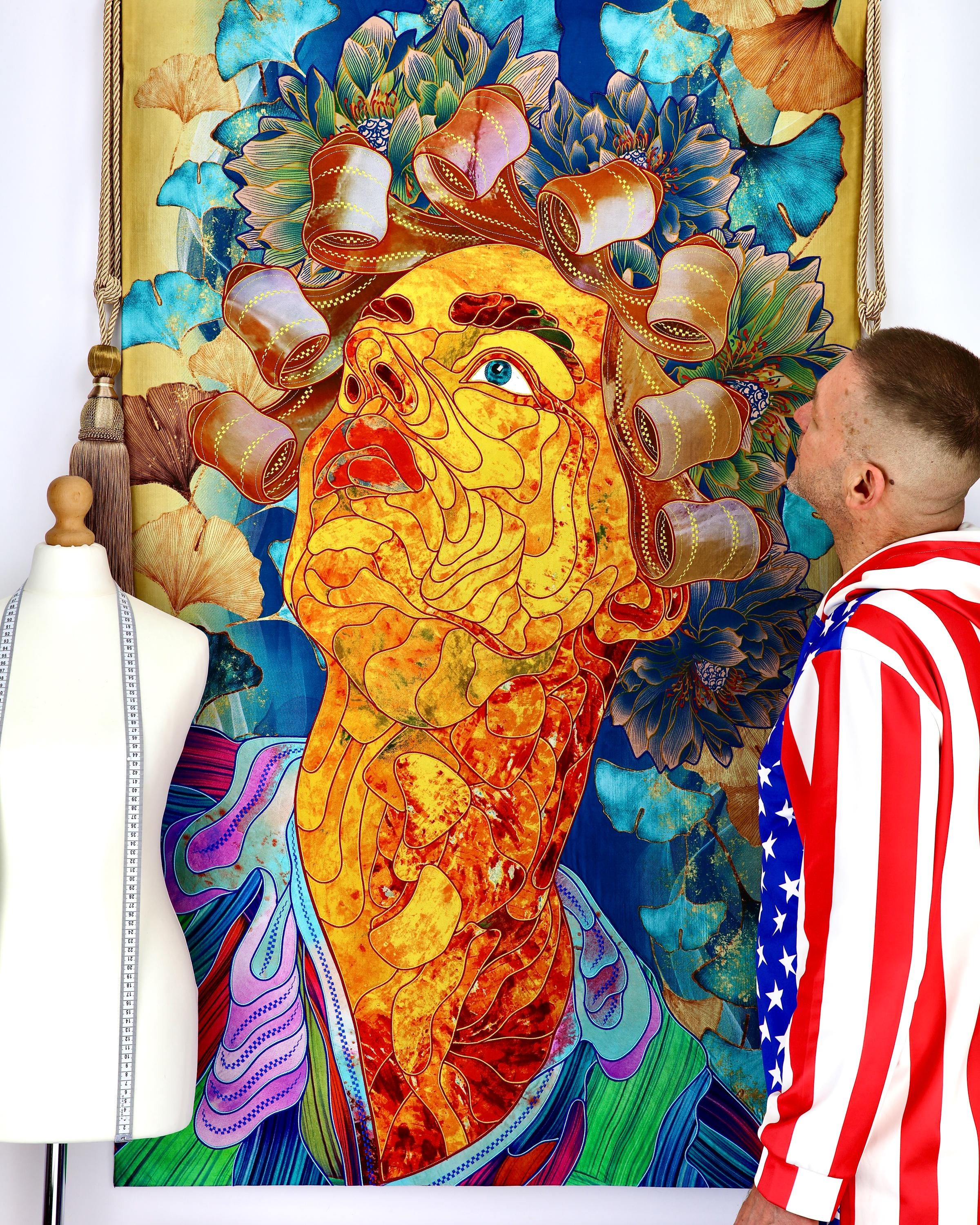
A room can be elegantly decorated, but still feel unfinished. Often, it's not a different color or object that's missing, but rather a surface that gives the space a sense of completeness. The most fascinating interiors of the future will go beyond visual design and focus on creating spaces that enhance the experience of being inside them. These spaces will feature silk fabrics that reflect light in different ways throughout the day, intricate embroideries that create shadows, and artwork whose physical presence can't be reduced to just a screen image.
For collectors and designers, this shift raises a more interesting question than whether textures are in style. Instead, it asks which tactile pieces will retain their relevance after a trend fades away. The answer lies in the quality of the materials used, the artist's vision, the size of the piece, and how well it complements the room without overwhelming it.
-
Thu, Nov 5, 2026
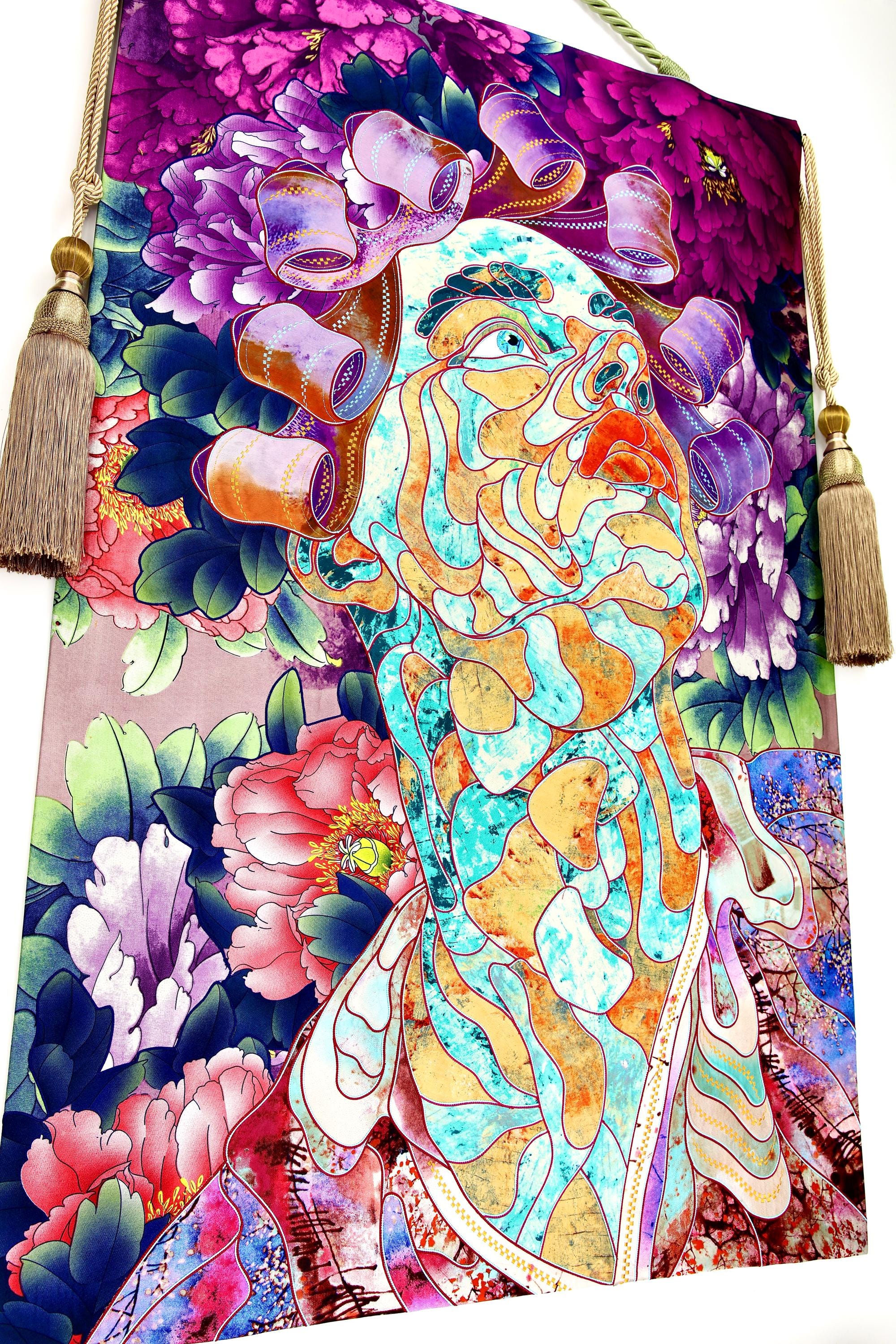
A collector's installation is most effective when it begins with the room, rather than just the artwork itself. A museum-quality silk tapestry can create a space with its color, texture, and figurative presence, but its impact depends on the surrounding elements: the proportions of the wall, the path through the room, the lighting, and the distance from which it will be viewed.
For collectors and designers, installation is not just an administrative task. It's part of the process of living with the artwork.
Imagine a large silk textile chosen as the main wall for a double-height living room. The owners wanted a striking visual statement, rather than another decorative element above the sofa. Their home had a mix of limestone, dark oak, and understated upholstery, allowing the artwork to stand out. The selected piece was large enough to complement the architecture, while its embroidered surface added depth and detail that artwork often lacks.
-
Sun, Nov 1, 2026
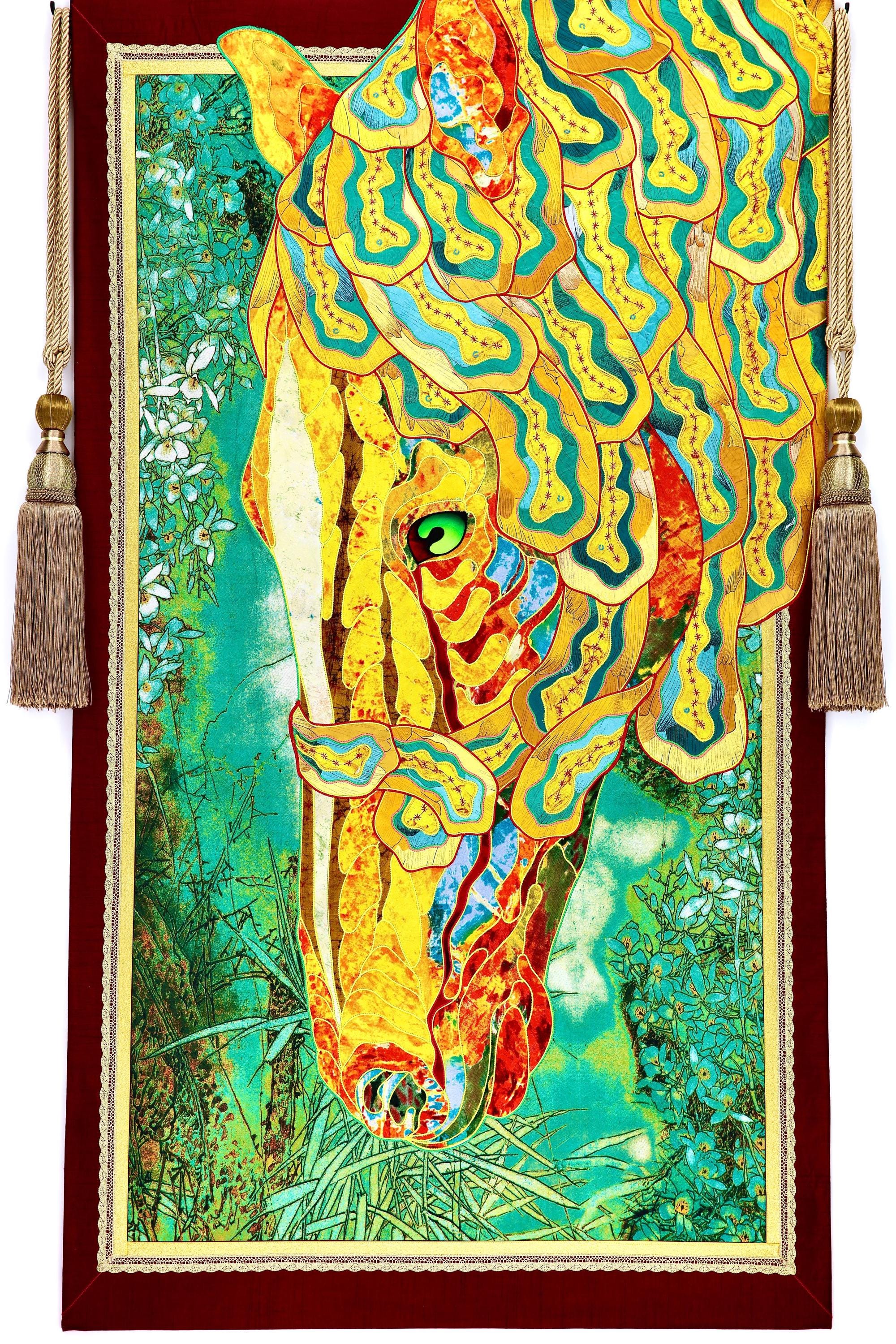
A room can be beautifully decorated, but it can still lack a unique character. The choice between figurative textiles and abstract paintings often determines whether the interior feels adequate or truly memorable. Both types of art can dominate a wall and set the tone of the space, conveying a sense of sophistication. However, their impact is achieved through different relationships with materials, subjects, lighting, and those who inhabit the space.
For collectors and interior designers aiming to create exceptional spaces, there is no clear winner in this competition. It depends on what the room needs to communicate and how much impact the artwork should have on the message.
-
Sat, Oct 31, 2026
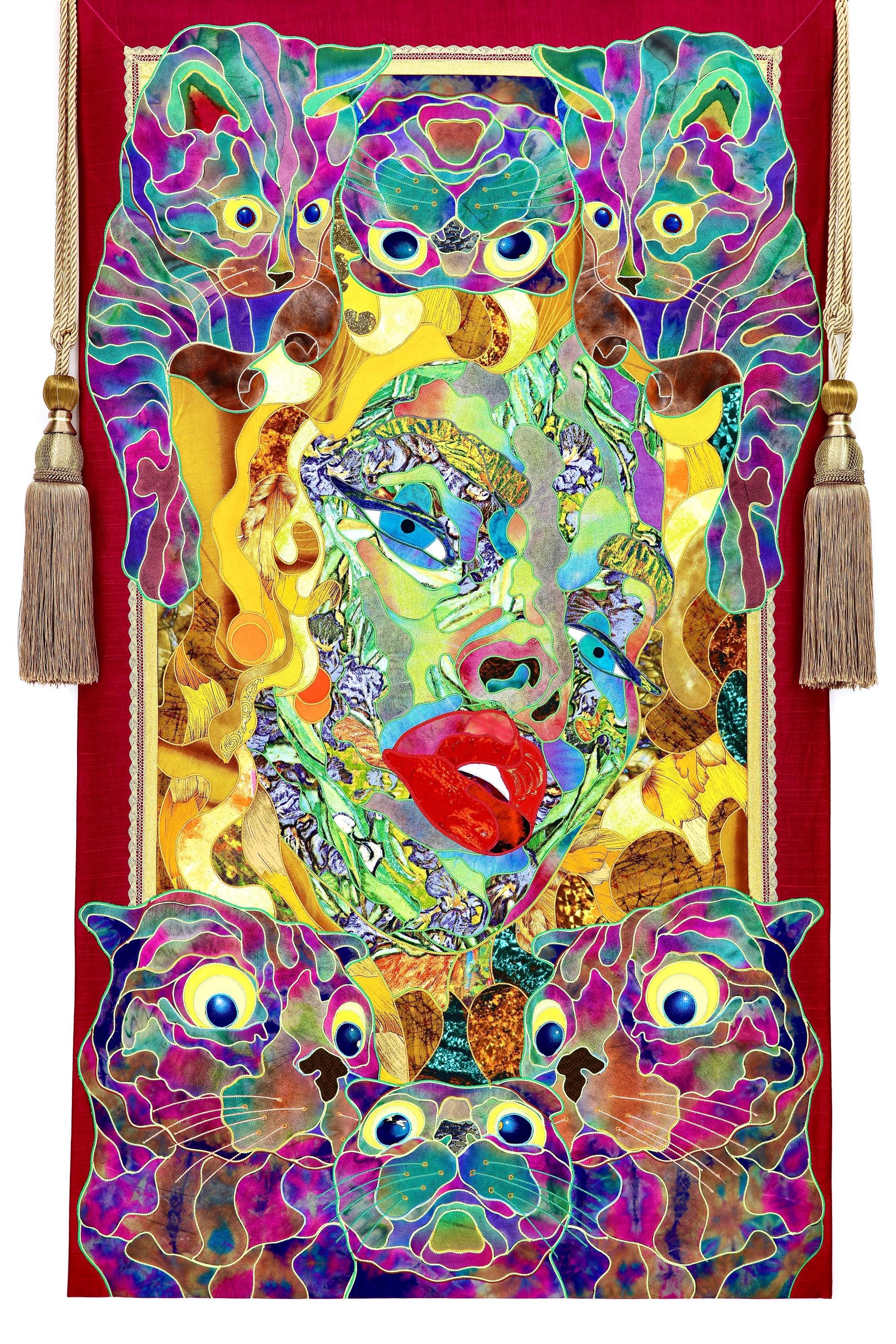
A well-crafted penthouse tapestry goes beyond simply covering a large wall. It sets the tone for the entire room. In a home with expansive windows, custom-made stone and polished metal, as well as carefully chosen furnishings, an original silk tapestry adds something that architecture alone can't provide: a personal touch, visual depth and a sense of individuality.
For collectors and interior designers, the question isn't whether a penthouse should have art. It's about finding the right piece that's large enough and significant enough to stand out among the exceptional interior design elements. A museum-quality textile artwork can answer that question with remarkable certainty.
-
Fri, Oct 30, 2026
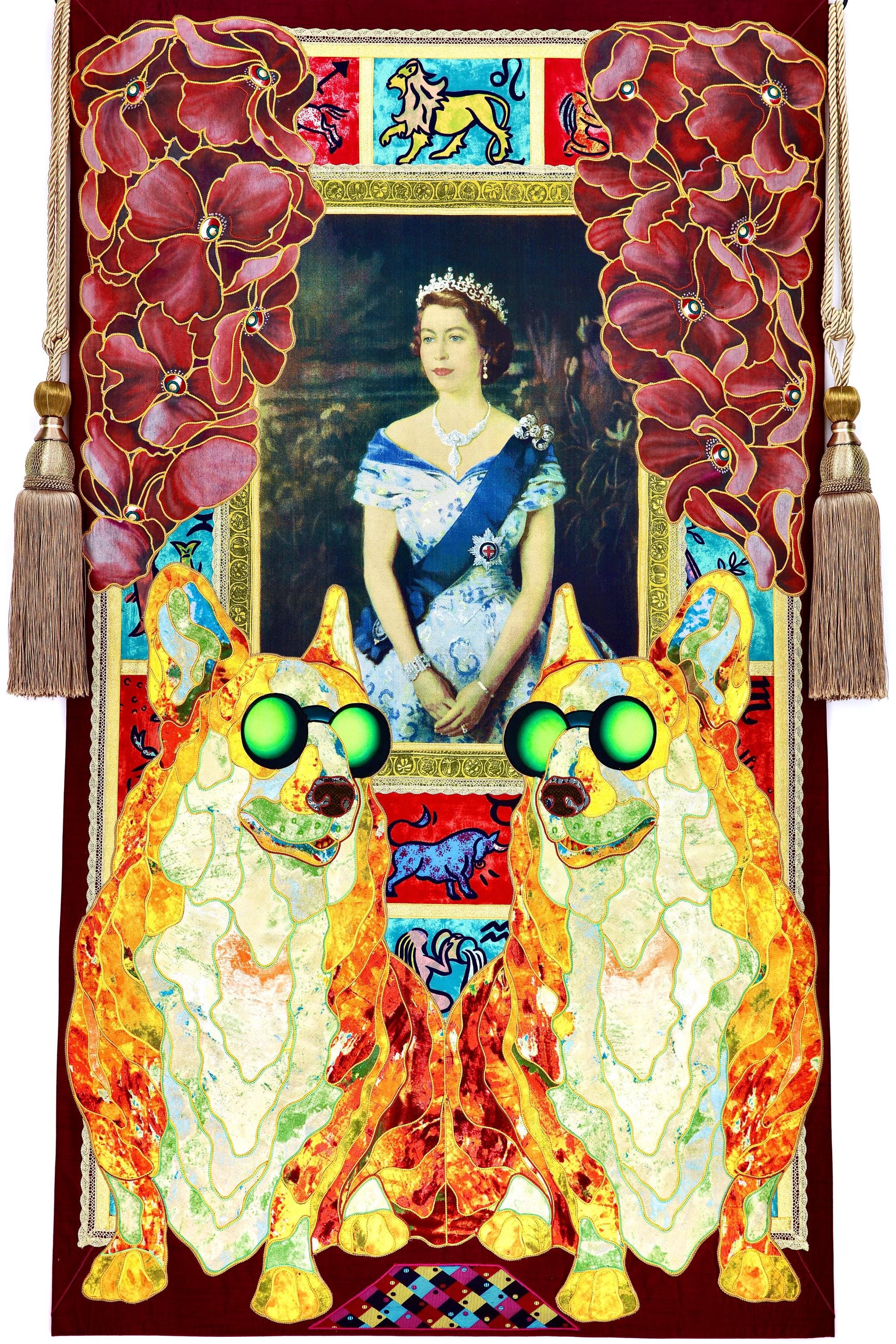
A present can mark an occasion, but a truly exceptional work of art can transform the atmosphere of a room for years to come. This is an important distinction to keep in mind when selecting a piece of artwork as a gift for someone who values their home, collection, or hospitality with a unique and personal touch. A carefully chosen work of art is not simply a decoration on a wall. It becomes an essential part of the space where conversations take place, guests gather, and daily life takes shape.
For those who appreciate art and design, the allure goes beyond visual appeal. A thoughtful art gift represents the artist's vision, the materiality of the piece, and the silent assurance that it was selected with genuine care. It recognizes the recipient's admiration for objects that carry a story, touch, and lasting significance in their life.
-
Thu, Oct 29, 2026
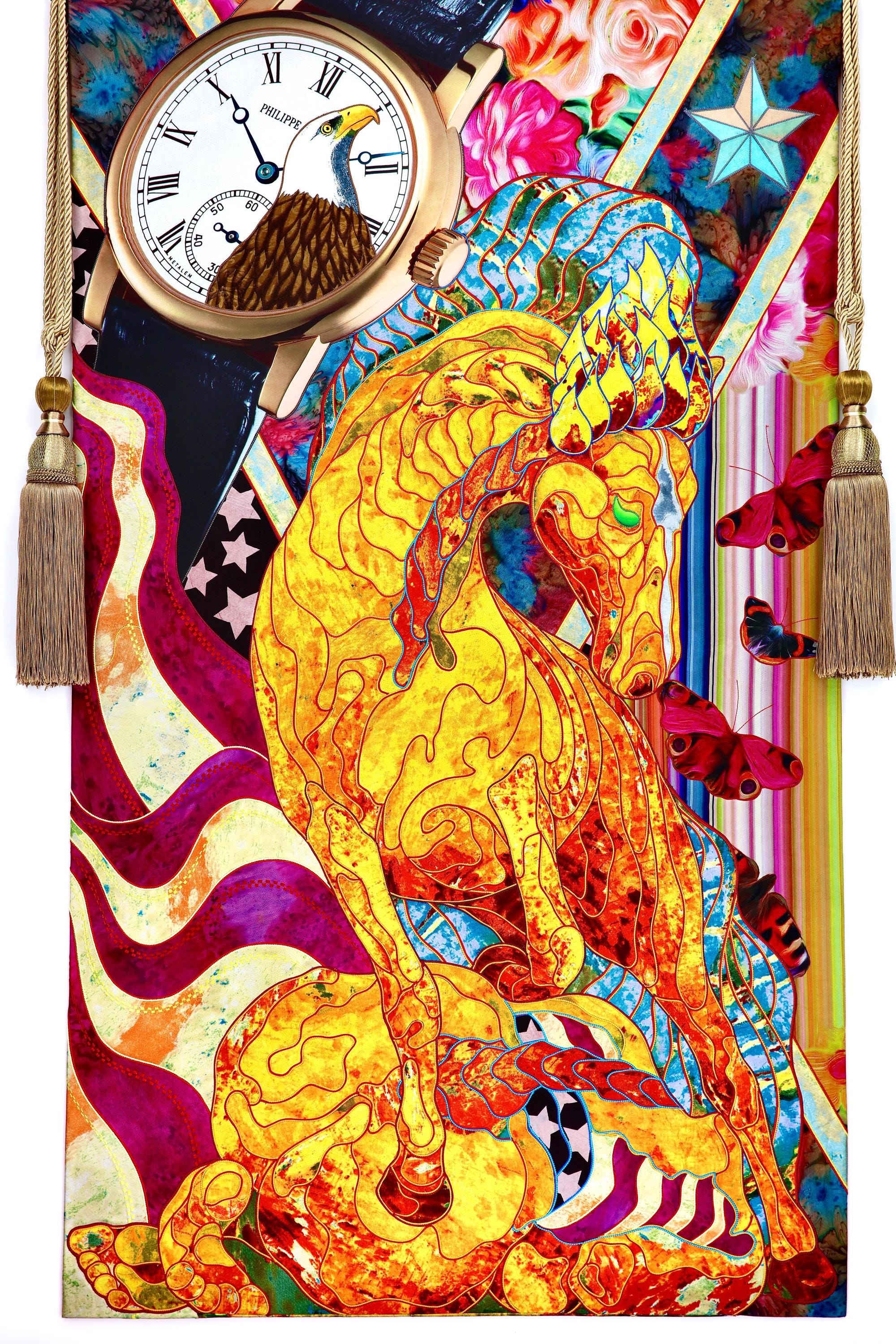
A room can be beautifully furnished with well-lit pieces that are adorned with polished surfaces. However, it can still feel unfinished without the right addition. The missing piece is not a decorative object but a work of art with the material presence to complete the space.
Fiber sculptures provide this solution, adding depth, texture, and the quiet authority of handcrafted art. Unlike a traditional painting, these textile-based sculptures invite exploration from different distances. From across the room, they establish the silhouette, scale, and visual rhythm. Up close, they reveal intricate details of threads, fibers, stitches, tension, and surfaces, inviting repeated contemplation.
-
Wed, Oct 28, 2026
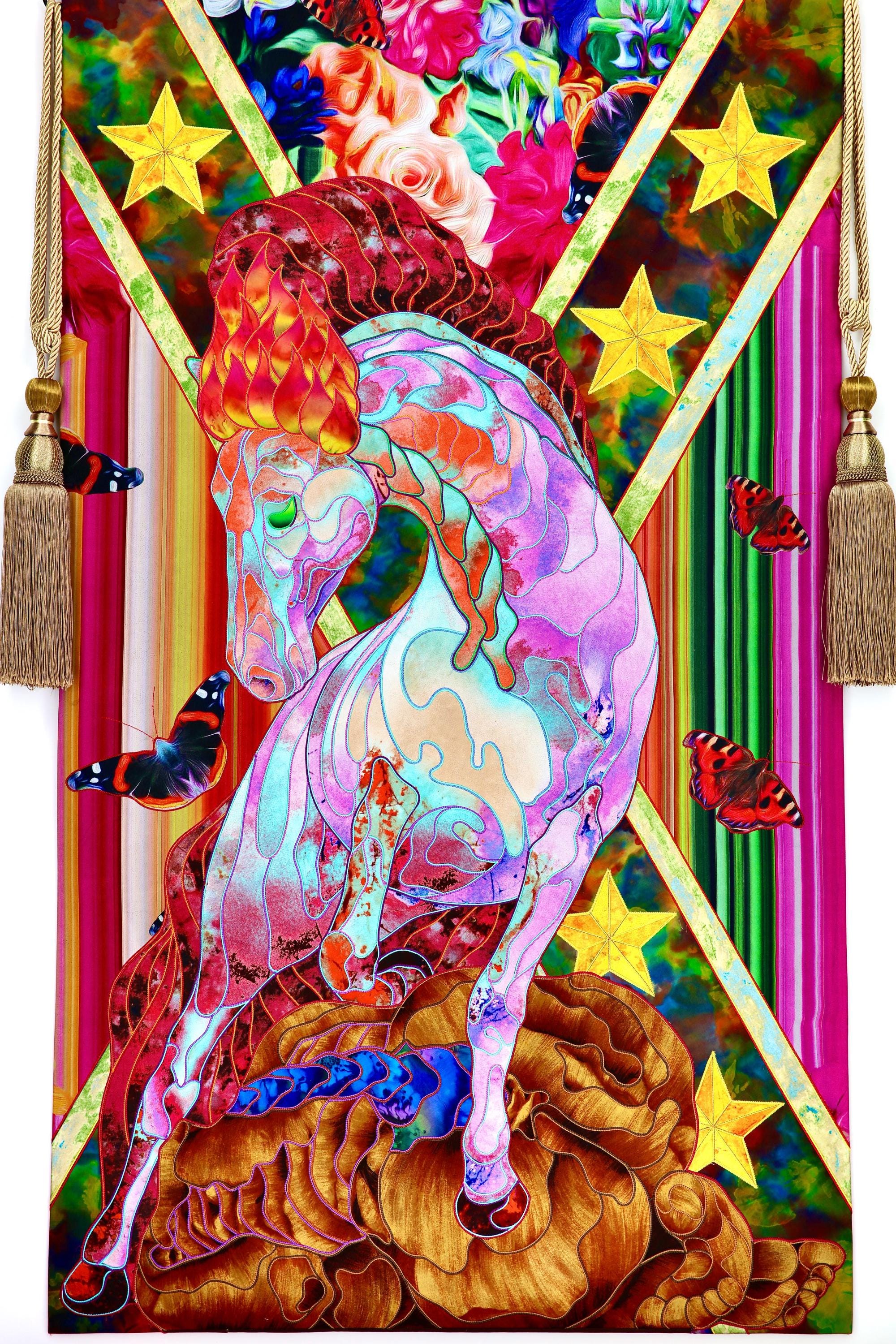
A tapestry may seem like a traditional product from a distance, but upon closer inspection, it reveals a different character. When comparing embroidery and weaving, there is more than just a technical difference. The way light interacts with the surface, the appearance of the figure, and how the textile artwork feels, all contribute to the overall effect.
Collectors and designers appreciate textile art in different ways, recognizing the unique qualities of each discipline. Weaving creates a physical fabric, while embroidery adds a layer of depth to an existing surface. Both require meticulous attention to detail and expert craftsmanship, but they achieve different results.
Understanding the differences between embroidery and weaving allows us to appreciate textile art on a deeper level. It enables us to see the beauty in each technique and recognize the unique contributions they make to the world of art.
-
Tue, Oct 27, 2026

A massive wall can absorb a great deal of visual energy. If you cover it with a standard print, the space will remain simply furnished. However, if you hang an original textile work on it, the surface will begin to hold light, texture, movement, and a unique point of view.
Contemporary tapestries provide this unique combination: the authority of fine art and the physical presence of a craft object. For collectors and designers, this difference is significant. A tapestry is not simply a substitute for a framed painting. It has its own visual language defined by the fibers, relief, touch, and changing character of the room throughout the day.
In silk, particularly, color does not stay static. It changes with the angle of light, giving the work a dynamic presence that printed decor cannot replicate.