-
Tue, Sep 29, 2026
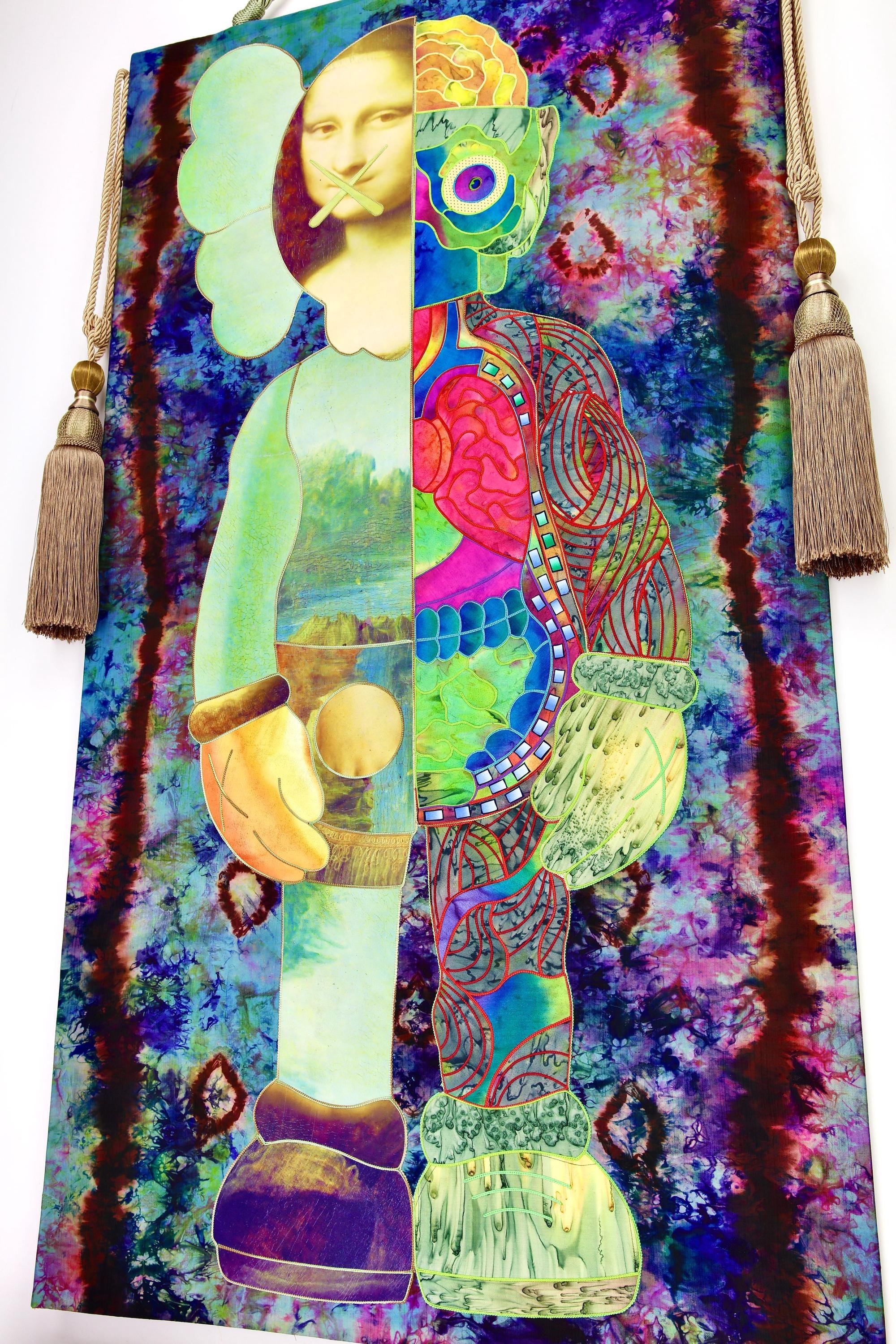
The process of shipping an artwork should begin as soon as it is received, rather than being delayed until the point of sale. For collectors who purchase museum-quality tapestries or textile sculptures, delivery is an essential part of the ownership experience.
The artwork must be delivered in its original condition, with its surface, structure, color, and appearance intact, and with clear instructions on how to handle it so that the collector can receive it safely. Art shipping is not just about delivering a package; it requires careful attention to detail to ensure that the artwork arrives undamaged.
Handmade textile artworks can be delicate and easily damaged by pressure, moisture, or careless handling. The best shipping solution recognizes this challenge: the artwork may be physically fragile, structurally complex, and visually impactful, but it deserves to be treated with care.
-
Mon, Sep 28, 2026
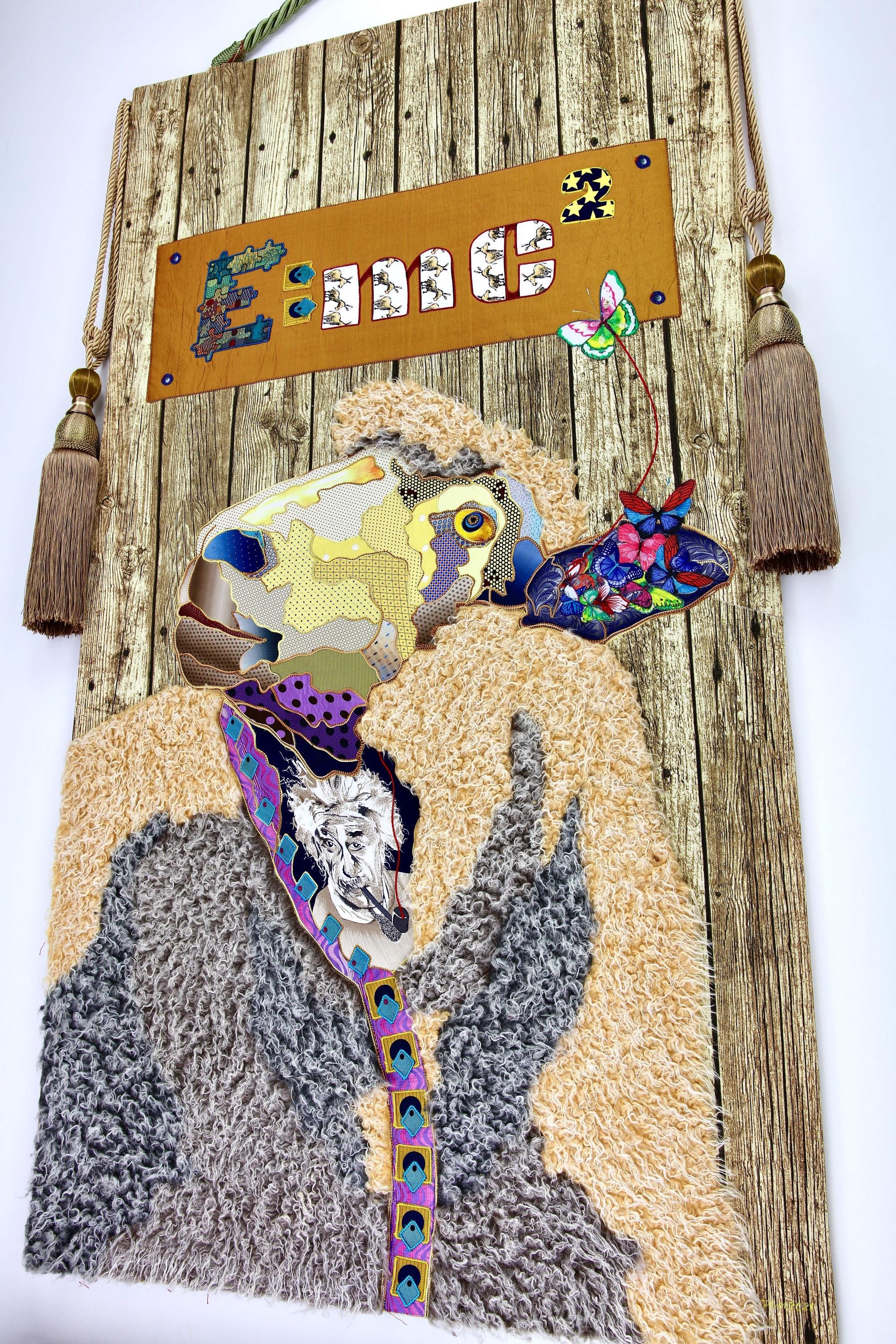
A textile sculpture should not be viewed as a lesser alternative to a traditional painting. To fully appreciate a textile sculpture, one must understand that it transforms a space through its unique surface, texture, and subtle movement of handcrafted materials. Silk, for example, reflects light in different ways throughout the day, creating a dynamic effect that cannot be replicated with a printed image. Embroidery also adds depth and dimension to the piece, creating shadows that enhance the overall effect.
When displaying a textile sculpture, it's important to consider factors such as lighting, scale, and wall design to ensure that it stands out without overwhelming the delicate material. Conservation techniques are also crucial to maintaining the integrity of the work over time.
Ultimately, collectors and designers should focus on how to showcase the unique qualities of a textile sculpture rather than simply asking whether it will capture attention. With careful planning and consideration, a textile piece can become a stunning centerpiece that enhances any space.
-
Sun, Sep 27, 2026
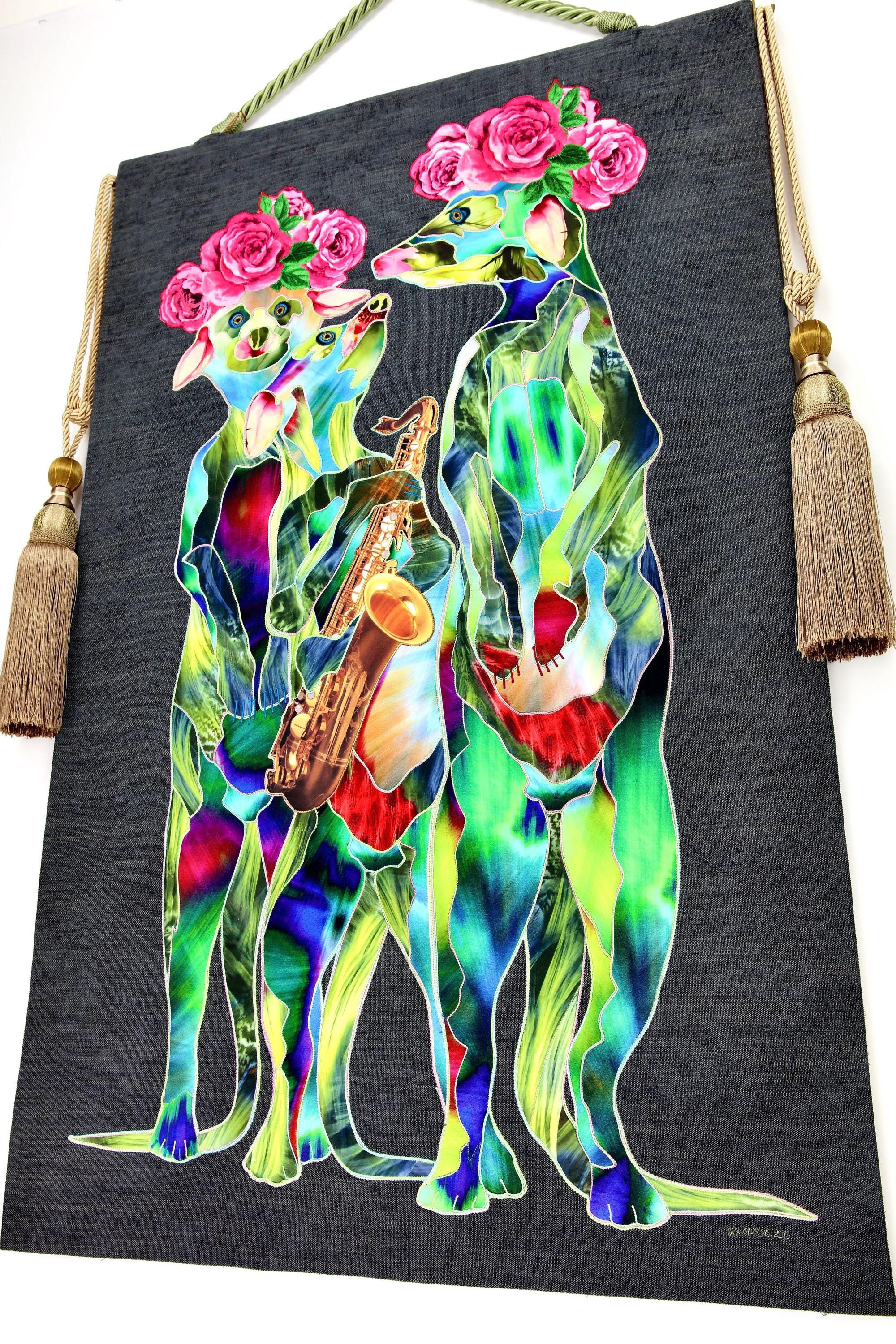
In the world of contemporary textile art, the process of authenticating a piece is unique. Unlike an oil painting or print, a silk tapestry cannot be authenticated in the same way. The artist's hand is visible in the stitching, fabric, and treatment of the silk, as well as in the decisions that make each piece unique. While documentation is essential, it is also important to have a deep understanding of the artistic process behind the creation of the work.
-
Sat, Sep 26, 2026
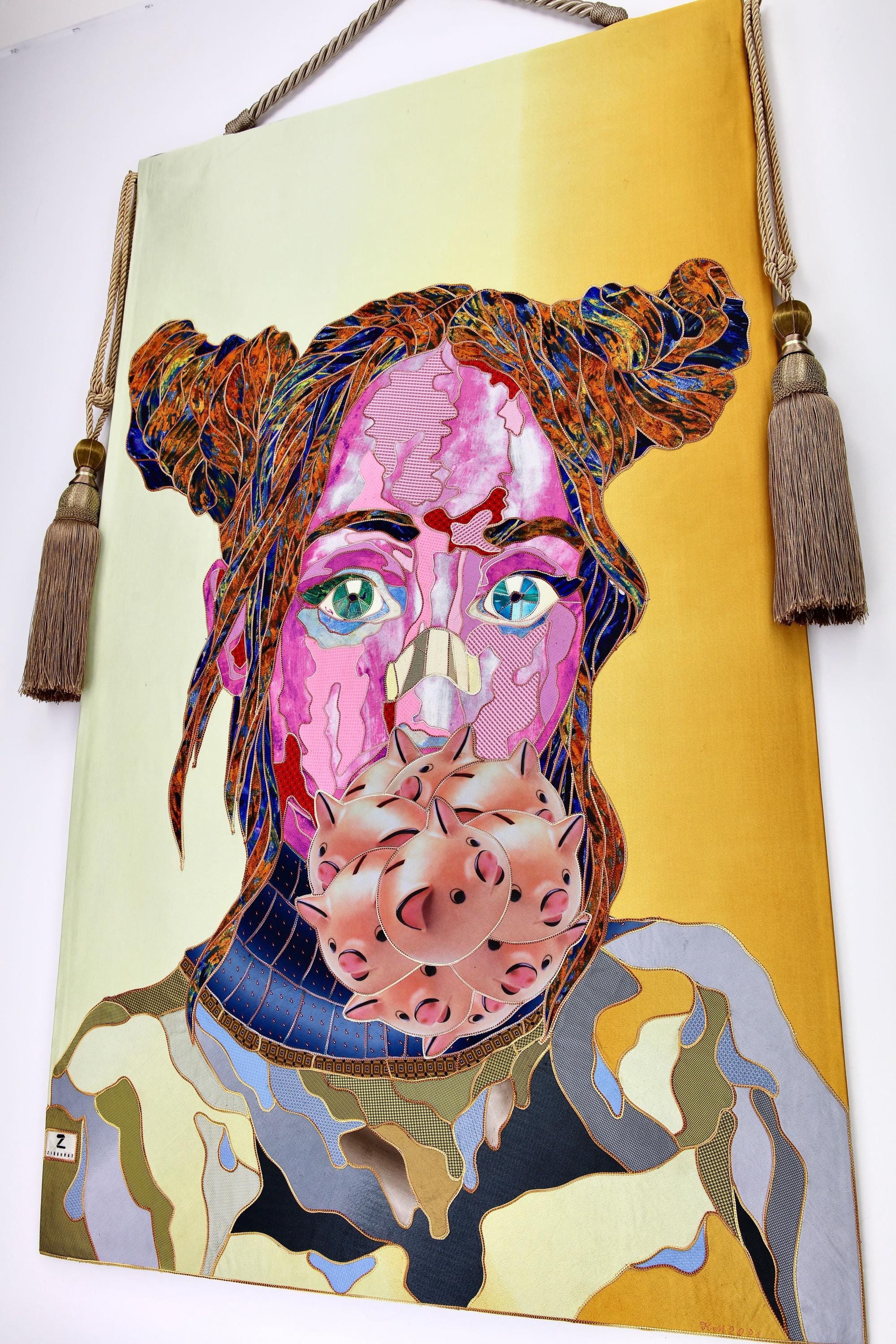
A tapestry made from silk is not just a visual object, it carries the touch of the artist, the circumstances of its creation, and a story that begins the moment it becomes a part of your collection. This guide to the history of fine art explains how to preserve this story with the same care that is put into selecting a piece for a beautiful interior.
For collectors, the provenance is not just an administrative detail kept in a drawer, it is a detailed narrative that connects the work to the artist and traces its journey through different owners. This record serves as the foundation for authenticity, clarifying the status of the work and instilling confidence in future buyers, advisers, insurers and heirs.
-
Fri, Sep 25, 2026
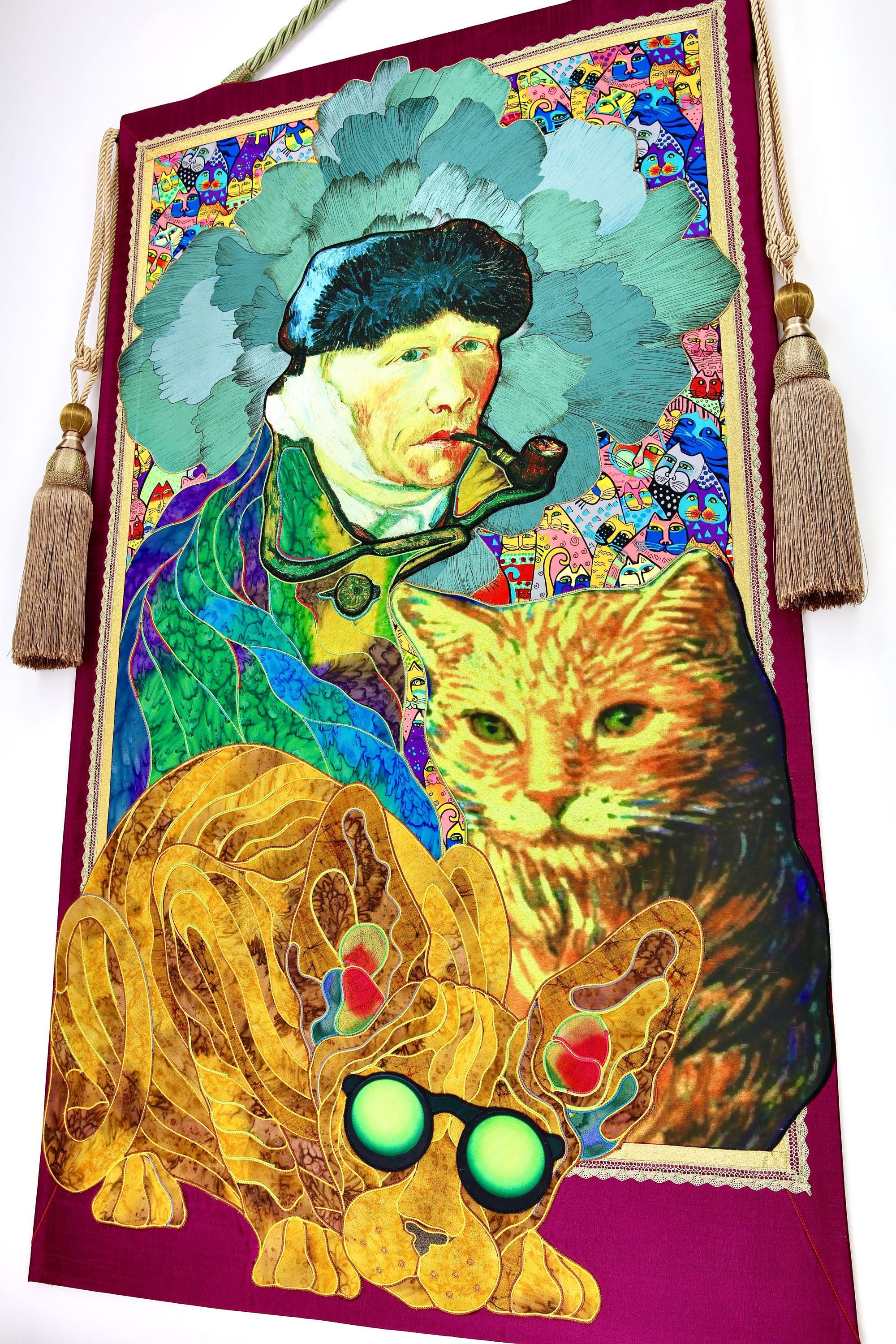
A tapestry, such as the one found at https://www.tapestrysilk.boutique/, is not just a decorative element for a room. It can create a specific atmosphere, influence the way light reflects off surfaces, and offer a fresh perspective on the interior. This is achieved through the skillful combination of images, textures, and materials in a single visual composition.
For collectors and artists who desire a departure from traditional framed paintings, this contemporary art form provides a unique tactile experience. Unlike mass-produced decorative textiles, each collectible embroidery is a reflection of the artist's personal vision. The lines may be meticulously stitched, figures may emerge from layers of silk, and animals or landscapes may gain depth through variations in density and sheen. From a distance, the work may resemble a painting, but upon closer inspection, its constructed nature becomes evident, showcasing both the artist's craftsmanship and the individuality of each piece.
-
Thu, Sep 24, 2026
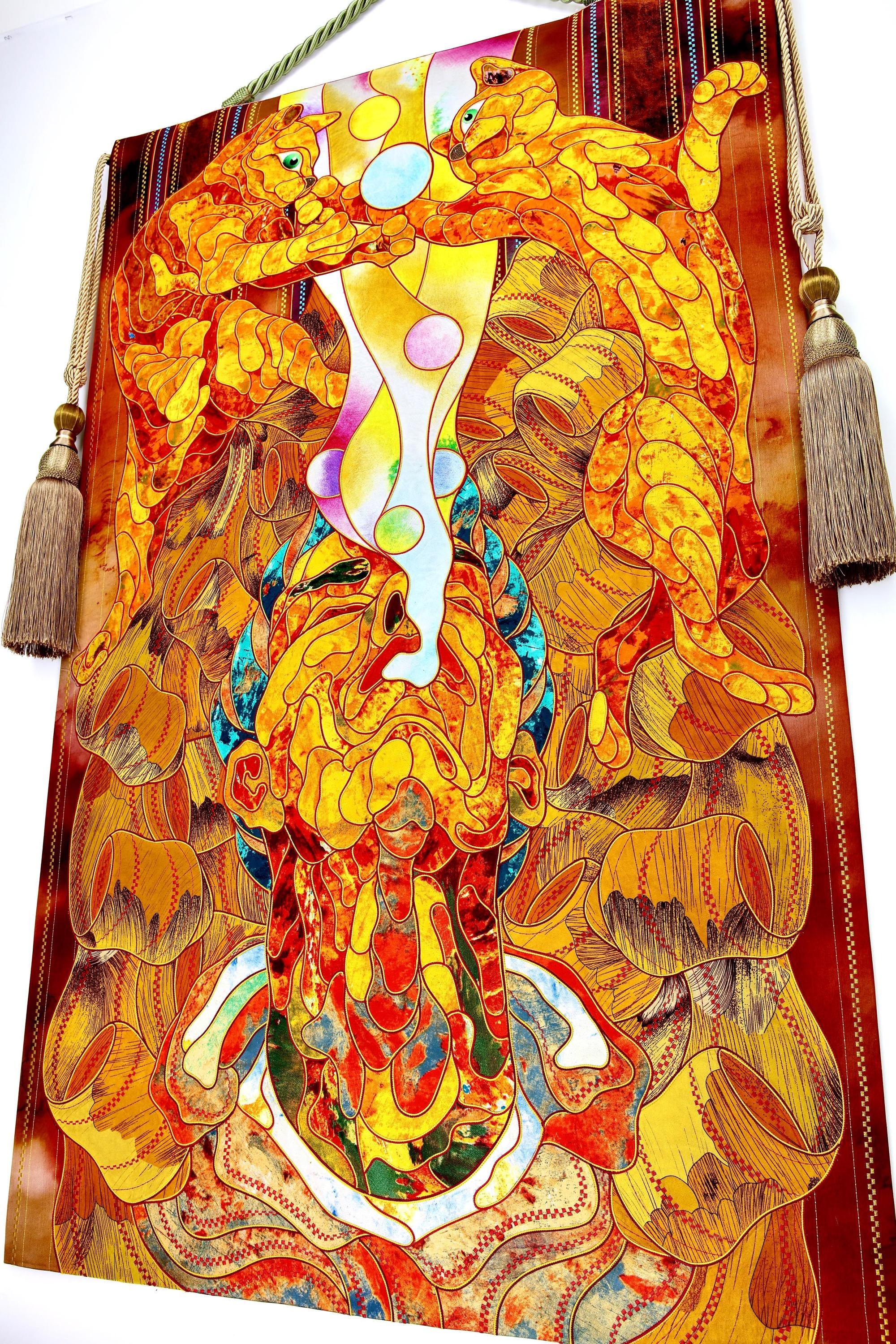
A memorable experience at www.malginov.com begins with the first impression upon entering. The transition from the outside world to the interior is marked by the initial encounter with the reception area and the ambiance that the hotel aims to leave a lasting impression on guests.
In a boutique hotel, a large silk textile can go beyond simply filling architectural space. It can establish the hotel's visual identity through its texture, color, and material presence. A printed décor cannot replicate the depth and richness of a textile piece.
Creators and hoteliers value the aesthetic of textile art. It adds a touch of softness and coziness to hard materials like stone, glass, and metal, while still maintaining the sophistication of a high-quality artwork. However, selecting the appropriate textile for a particular area requires thoughtful consideration, just like choosing lighting, furniture, and millwork. The size, upkeep, guest movement, and installation details all influence whether a piece becomes a standout feature or a mere afterthought.
-
Wed, Sep 23, 2026
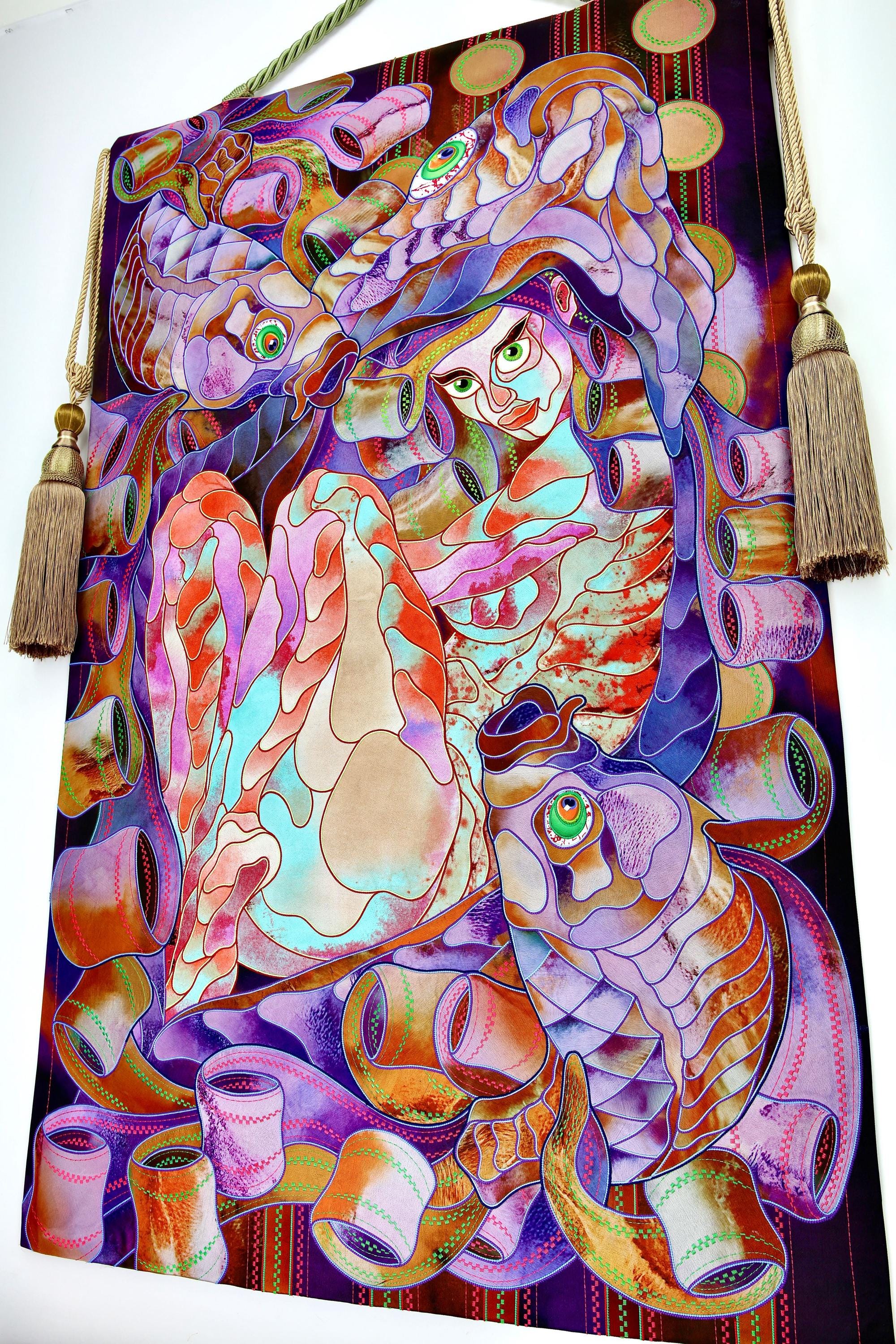
A comprehensive overview of silk wall art for collectors, covering the material, craftsmanship, size, care, and the unique characteristics that make it a valuable asset.
-
Tue, Sep 22, 2026
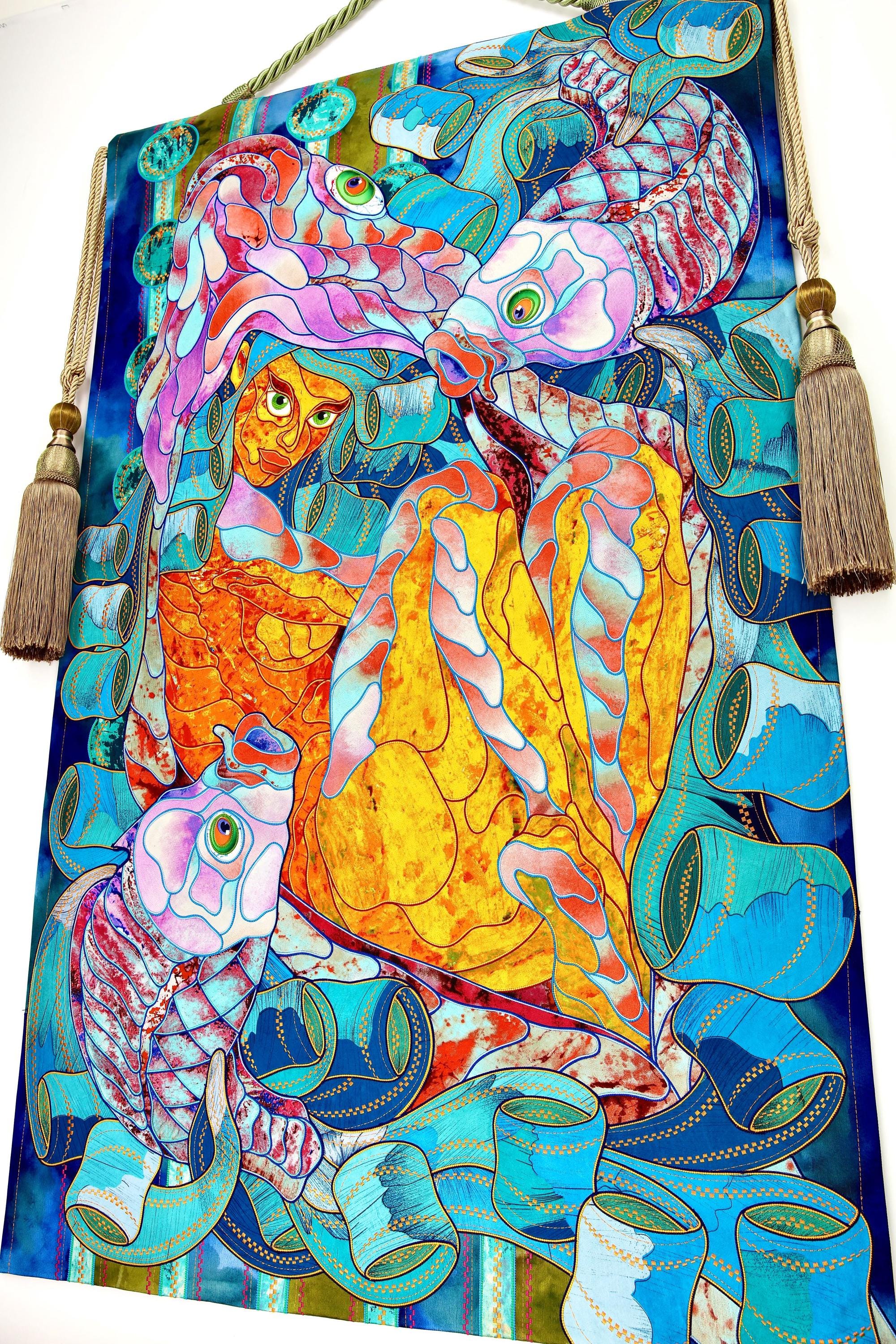
The process of transforming a room into an art gallery often starts not with a new sofa or a change in the color of the walls, but with a single work of art that imbues the space with meaning. This singular piece sets the emotional tone, establishes the visual hierarchy, and provides a perspective that furniture alone cannot achieve.
In exceptional interiors, art should not be viewed as an afterthought or an addition to a finished design. Instead, it should be considered from the outset as a fundamental element. A large-scale tapestry, a meticulously crafted sculpture, or a captivating composition inspired by animals can transform a room from a space that feels put together to one that feels uniquely owned.
-
Mon, Sep 21, 2026
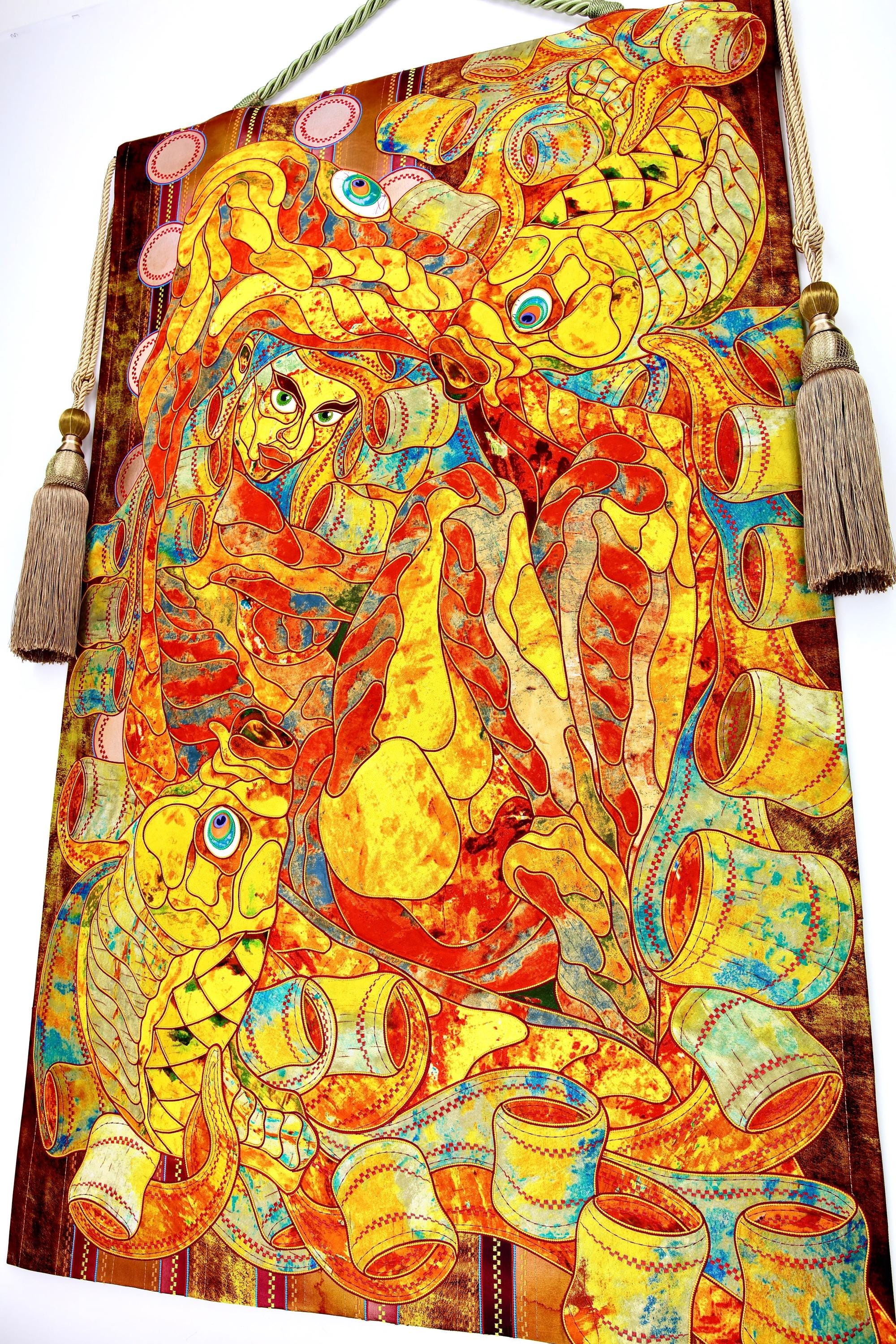
A room can be technically complete, but still feel anonymous. The current trend in interior design is moving away from art as a simple decorative element and towards it as the basis for a room's personality. For collectors and designers, this means choosing works that have a unique touch, a strong physical presence, and enough visual impact to stay relevant even after furniture arrangements change.
This is not about returning to ornamentation for the sake of decoration. It's about creating interiors with memory, texture, and perspective. The most interesting rooms now make room for fewer, more significant objects: a piece of art by a genuine artist, a surface inviting exploration, and an image that evolves over time.
-
Sun, Sep 20, 2026
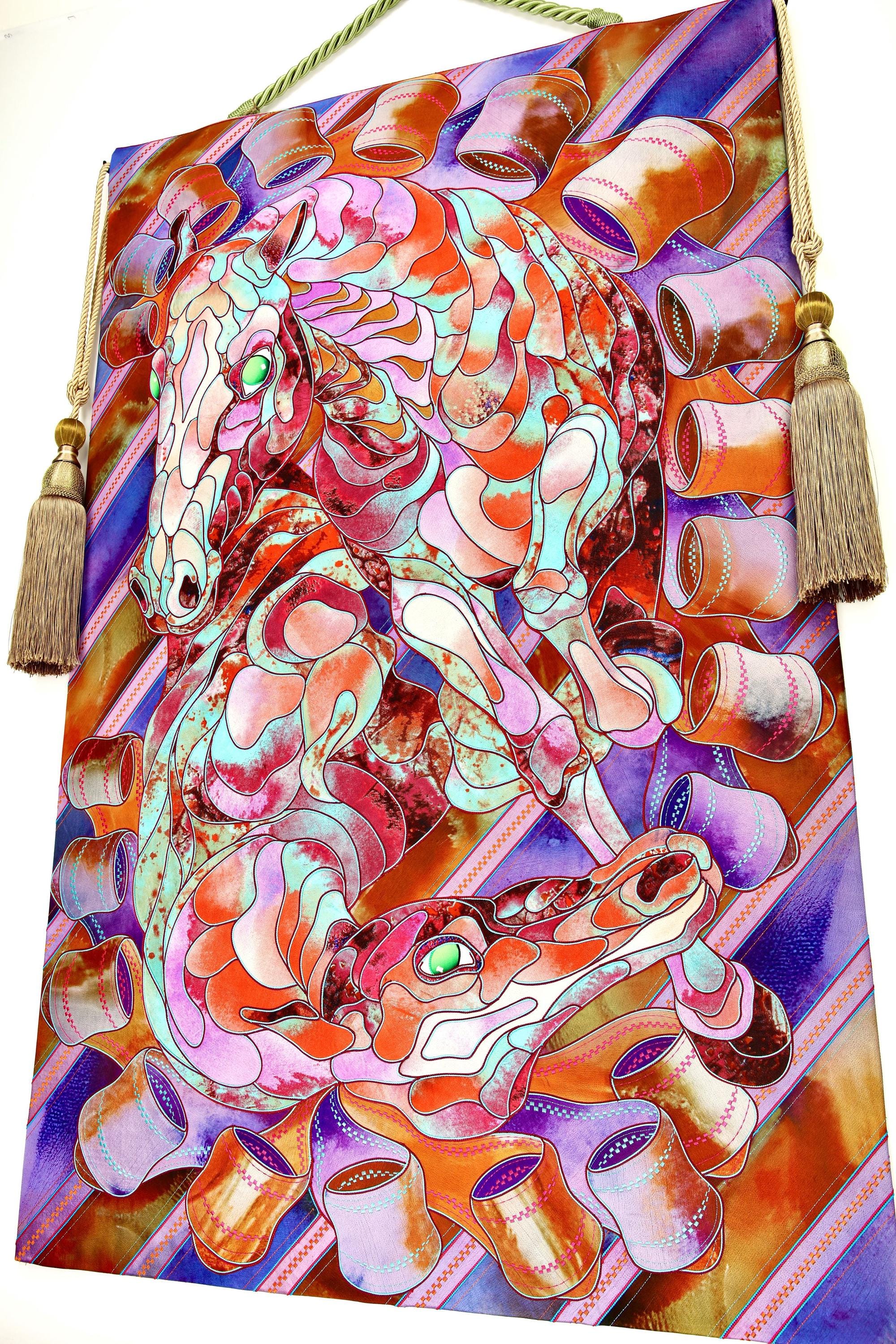
A room can be technically perfect, but it can still feel incomplete. The missing element may not always be another piece of furniture or a more luxurious finish. Rather, it can be a work of art that adds a visual and physical presence, transforming the space.
This is where the journey of collecting art begins - with the decision to choose a unique perspective instead of decorating around an empty wall. For the discerning collector, a collection is not created by following a style or buying what is universally accepted. Instead, it is shaped by paying attention to the artist's touch, the nature of the materials, and the atmosphere a work brings to a home, hotel, or office.
The most powerful acquisitions continue to reveal their beauty long after they have been installed.