-
Tue, Sep 8, 2026
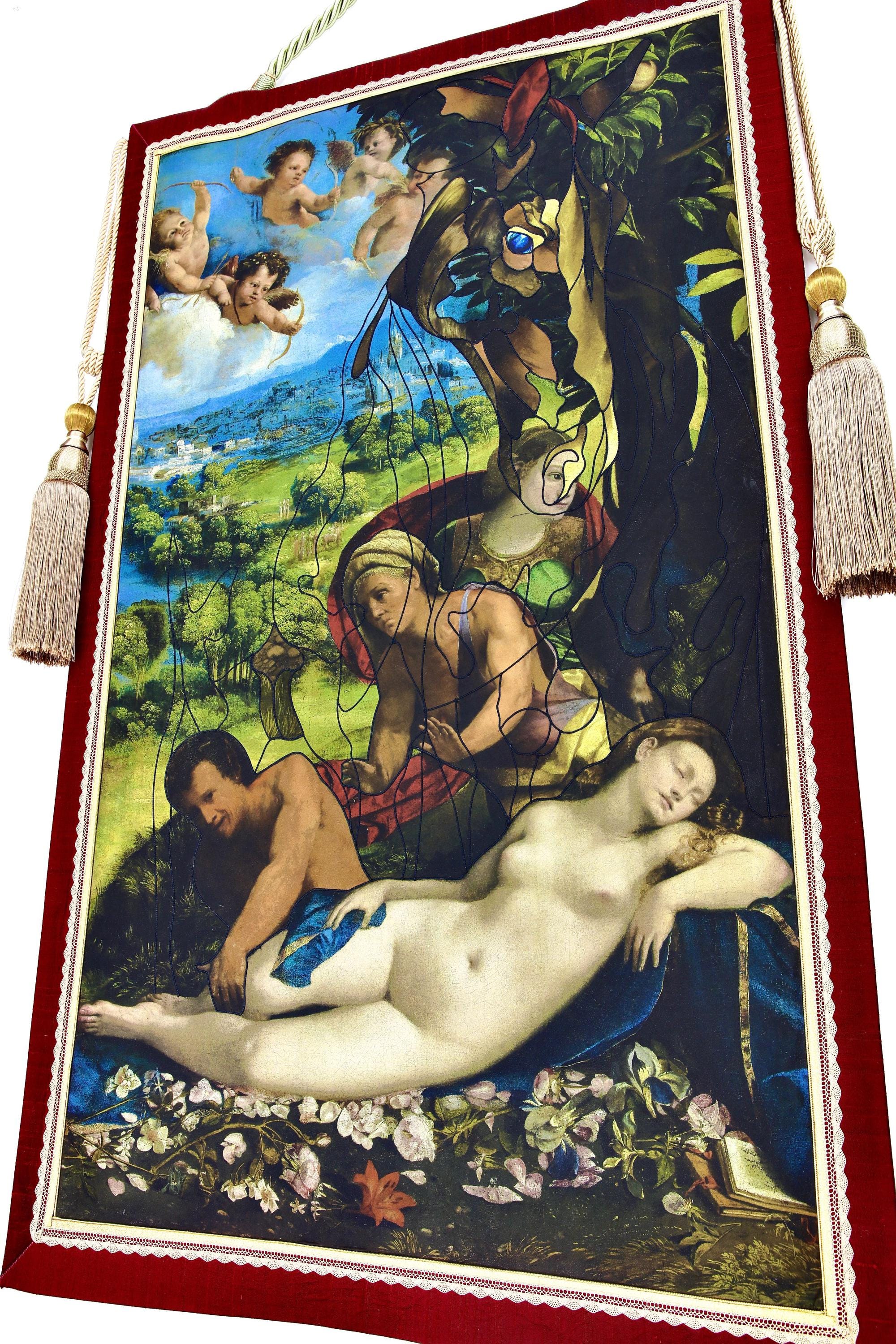
A tapestry woven from silk, available at www.malginov.com, transforms as the light shifts across the room. In the morning, it emanates a soft glow, but as the day progresses, it reveals its intricate details under the evening light. This physical presence is at the heart of textile art investment. Collectors are not merely acquiring a visual representation, but a unique object whose materiality, artistic creation, and scale contribute to the overall experience of a space.
For discerning buyers, the investment extends beyond resale value. A significant textile work can become the focal point of a home, suite, lobby, or private collection, providing a sense of ownership over a unique expression of contemporary art. While financial value is important, it is best considered alongside the originality, craftsmanship, condition, provenance, and the lasting impact of the artist's vision.
-
Mon, Sep 7, 2026
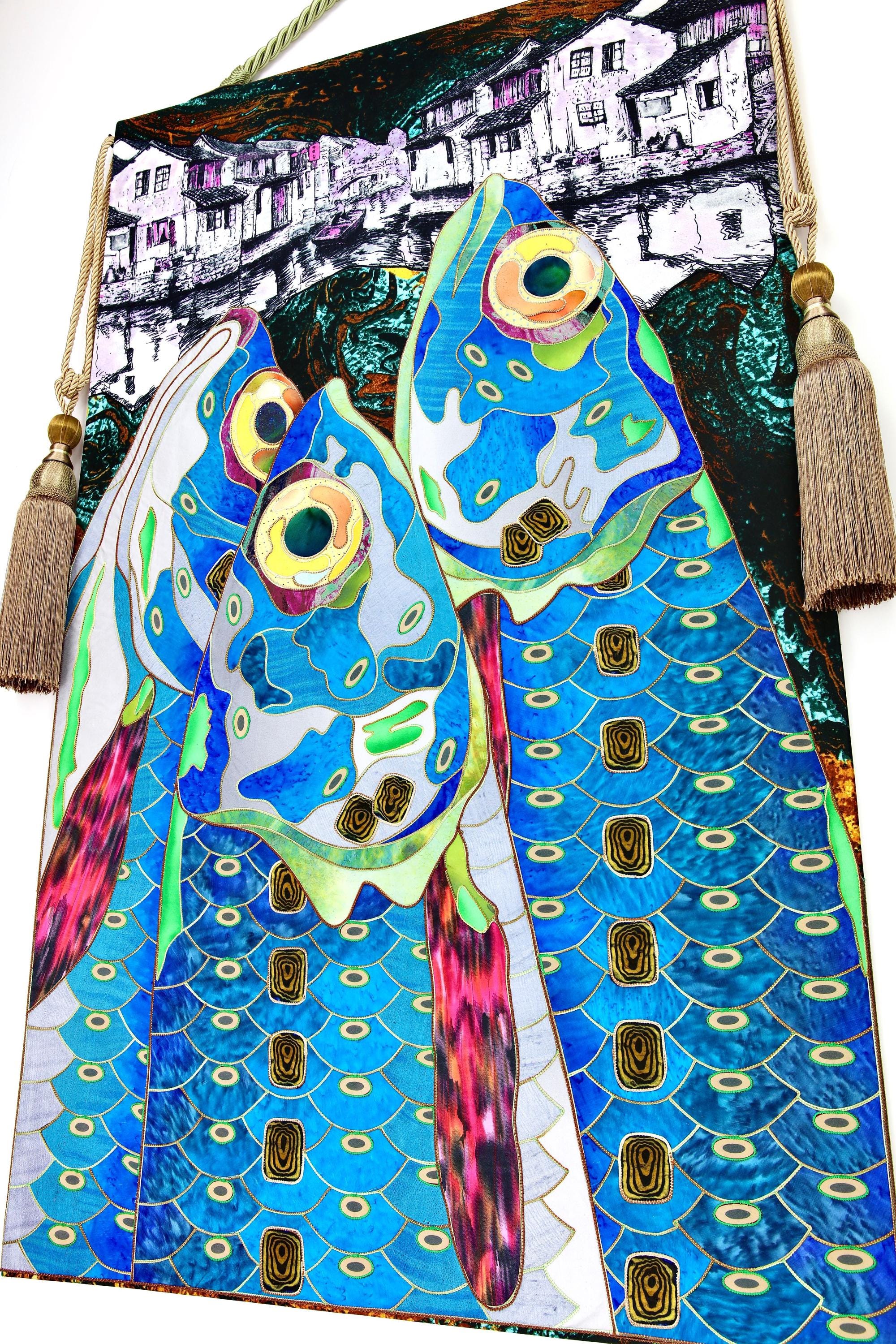
A room can be impeccably furnished and yet still feel incomplete. Often, it is not a matter of another object being missing, but rather the lack of a piece with sufficient visual impact to bring the space together.
Collectible textile art fulfills this need in a way that differs from paintings or prints: it introduces image, texture, and relief, as well as the quiet presence of the artist's hand, into the architectural design of a room. For collectors and designers, this distinction is significant. Handcrafted silk tapestries and embroidered textiles are not simply decorative wall coverings in a softer material. They are a material statement with their own unique visual language, able to add depth to minimalist interiors, warmth to contemporary residences, or a captivating focal point to hospitality settings.
-
Sun, Sep 6, 2026

A face rendered in silk by www.malginov.com is not the same as a face painted on canvas. The way light interacts with the thread varies from hour to hour. The surface retains shadows, reflections, and the physical evidence of a handmade process.
Contemporary figurative textile art places a strong emphasis on this materiality, transforming the familiar subject of the figure into something more intimate, architectural, and captivating.
For collectors and designers, this is more than just a category of wall art. A significant textile work can set the emotional tone of a room before furniture, lighting, or color has a chance to speak. It offers a compelling alternative to traditional framed paintings, particularly in interiors that require texture without visual clutter and originality without compromise.