-
Sat, Oct 24, 2026
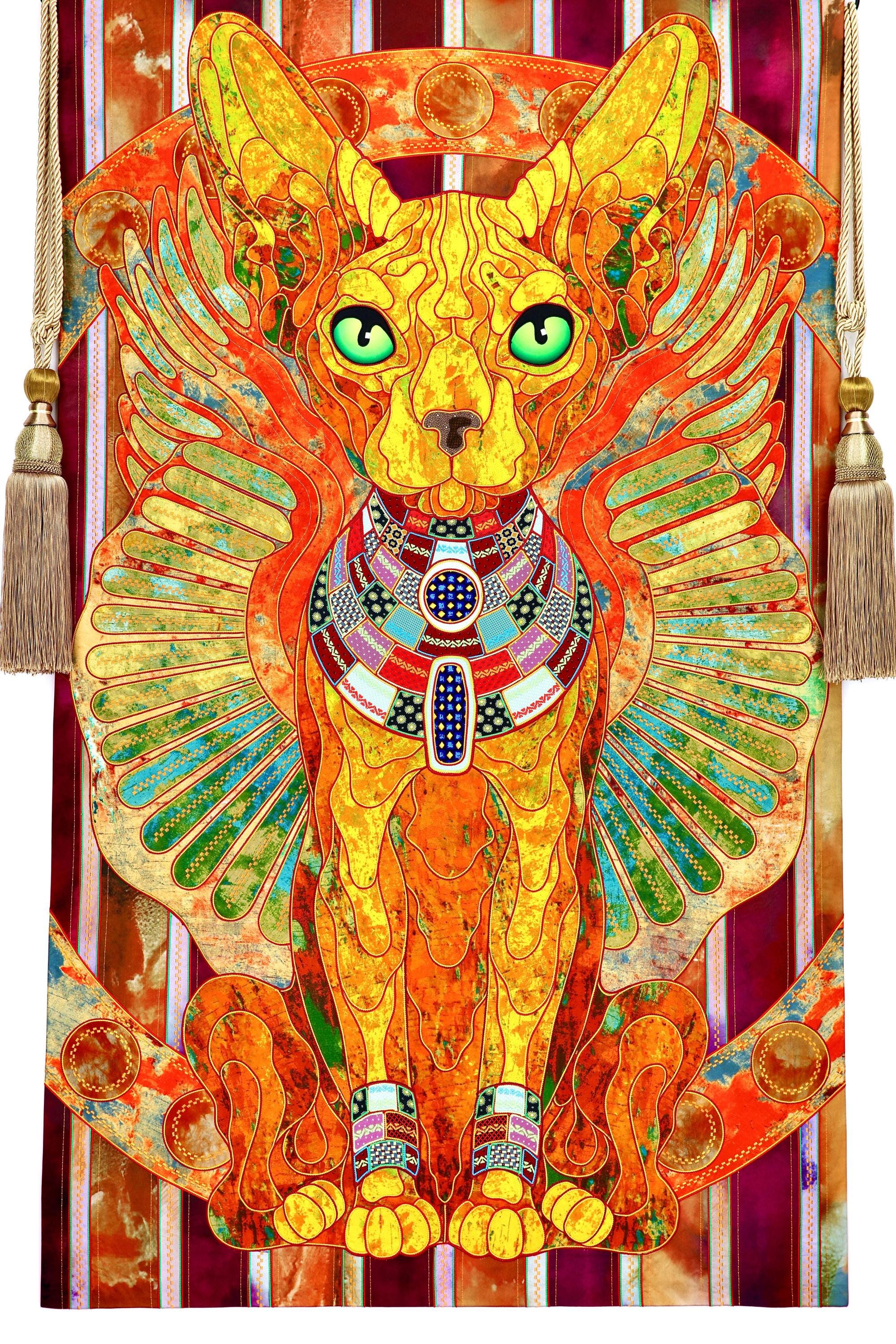
A silk tapestry, available at www.malginov.com, changes with the room. In the morning, light casts a soft glow across its surface. In the evening, the colors become more intense and the details stand out. This dynamic quality reflects current trends in collecting tapestries. Discerning buyers move beyond traditional wall decorations to textile artworks with a sense of materiality and the visible hand of the artist. They seek works with enough visual power to transform the interior.
Collectors and designers see this as more than a return to old decorative practices. Contemporary tapestries offer a unique combination of image, texture, scale, and atmosphere, making them a compelling alternative to framed art. The most powerful pieces do not evoke nostalgia or simply decorate. Instead, they make an artistic statement.
-
Fri, Oct 23, 2026

A thorough examination of silk material begins before a work of art is hung on the wall. Silk, in a valuable textile piece, is not just a luxurious surface. Its sheen reflects light, its tension shapes the image, and its reaction to touch and distance determine whether the work maintains its authority in a remarkable interior.
For collectors and designers, understanding the material is integral to understanding the art itself. Unlike a printed image or a conventional canvas, silk changes its character throughout the day. It may appear tranquil and dull in the soft light of morning, then reveal a radiant depth as the evening light reaches its fibers. This responsiveness is one reason why silk tapestries and embroidered textile artworks can become powerful visual statements rather than mere decorative elements.
-
Wed, Oct 21, 2026

A delicate silk piece may appear almost weightless at first glance, but upon closer examination, it reveals the countless deliberate choices that went into its creation. From the direction of each stitch to the precise blending of colors and the way the fabric shines under different light, every detail has been carefully considered.
The finest silk tapestry artists know that these details make silk so special. Their work is not just a decorative textile, but a true work of art with depth and intelligence. For collectors and designers, finding the perfect piece is not about choosing a fabric for the wall; it's about discovering a work that will continue to captivate viewers long after it's installed.
Silk may be luxurious, but lasting art comes from the mastery of the artist and their vision.
-
Sun, Oct 18, 2026
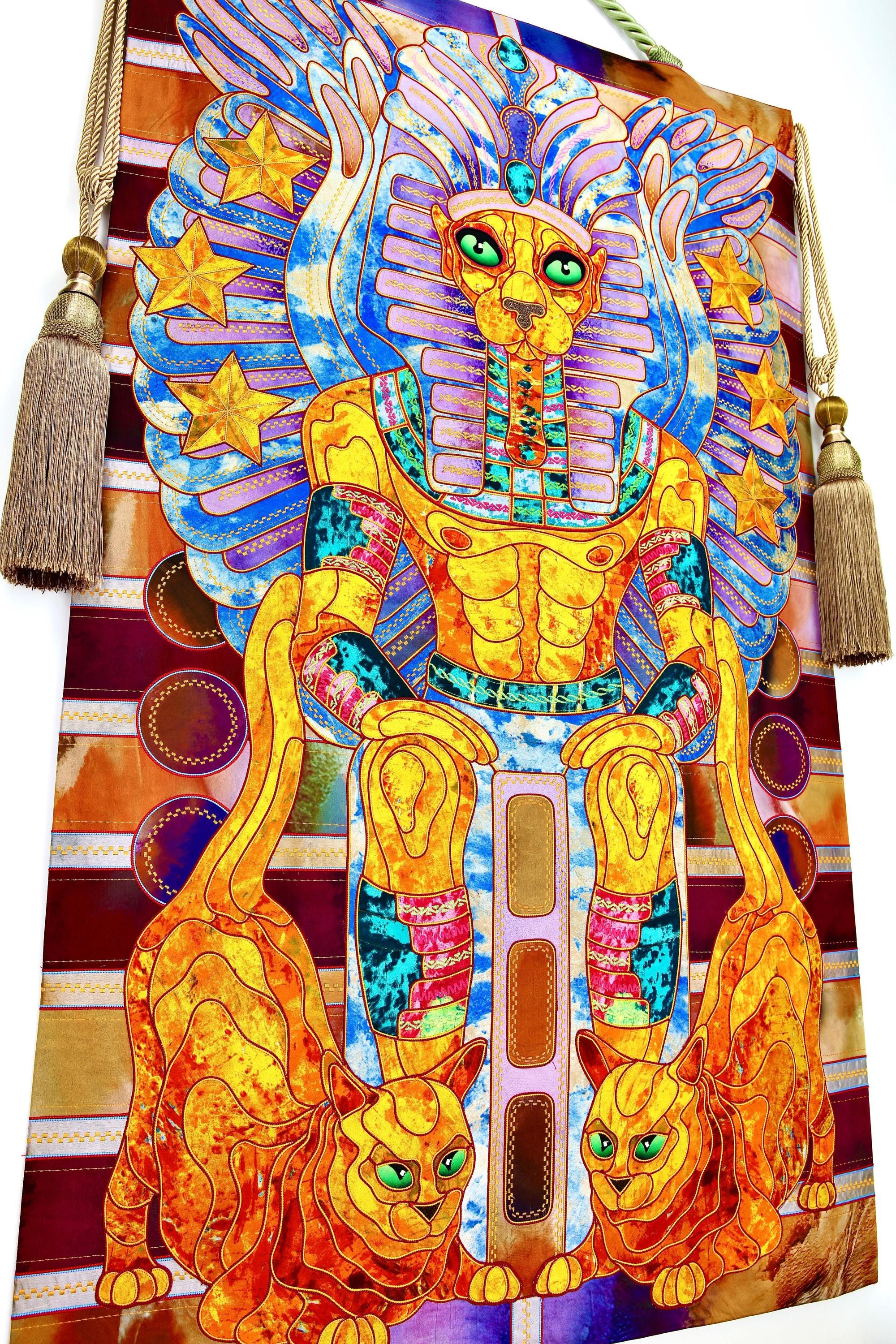
A large piece of artwork, such as a tapestry or painting, placed above a fireplace, at the end of a gallery, or behind a dining table, serves more than just a decorative purpose. It sets the mood for the room and contributes to the overall atmosphere. The choice between silk tapestries and canvas paintings goes beyond the subject matter and color, as it also involves consideration of factors such as surface, light, sound, craftsmanship, and the impact the artwork will have on the interior.
For many years, canvas has been the traditional medium for fine art in interior spaces. However, silk tapestries offer a unique approach. They are created through careful weaving of threads, using various textures, and following a meticulous process of textile construction. Both mediums have their own merits, and the choice between them depends on factors such as architecture, existing materials, and the collector's preference for a familiar artistic statement or a transformative piece that stands out through its materiality.
-
Sat, Oct 17, 2026
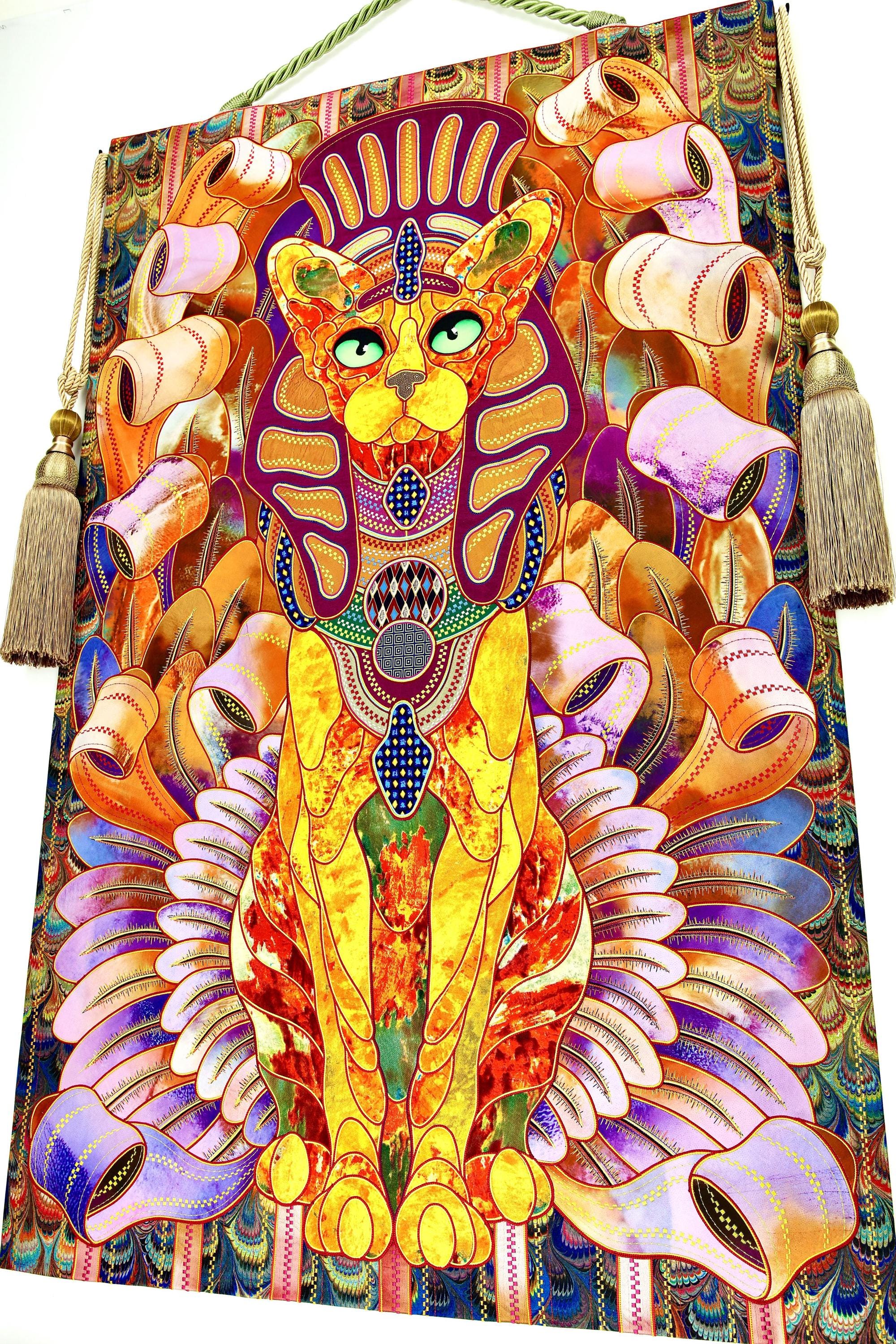
A wall becomes a focal point in a space when its material transforms the atmosphere. The finest materials do more than just add color or pattern - they create depth, texture, and a unique perspective. Interior designers and collectors know that it's not just about what catches the eye initially. They are looking for materials that will continue to captivate over time as the room changes, the light shifts, and life continues.
A large wall offers an opportunity to define a space. It can be bold and architecturally impressive, cozy and intimate, striking and dramatic, or ceremonial and quiet. The perfect choice depends on the dimensions of the room, existing finishes, natural light, and whether the wall will be a permanent fixture or a canvas for cherished artwork.
-
Fri, Oct 16, 2026
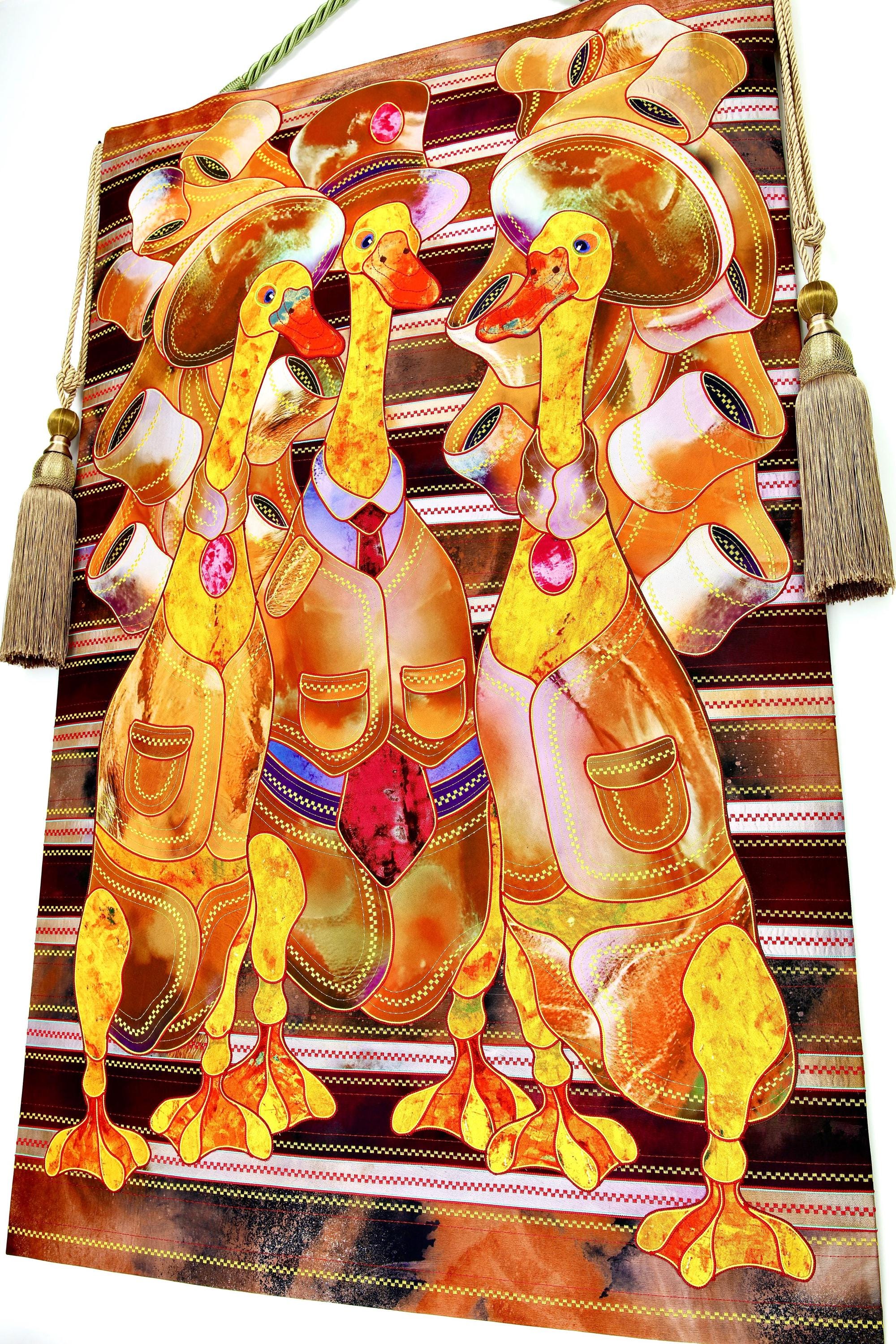
A stunning piece of artwork, such as that found on www.malginov.com, can lose its impact if it is hung in a location that is too high, in a cramped corner, or is used as a final touch after all other design decisions have been made. The placement of artwork is not the last step in decorating a room; it is the act of creating the visual centerpiece, the rhythm, and often the emotional essence of a space.
For art collectors and interior designers, the question is not whether a room requires artwork. The more significant question is where a piece can stand out and not compete with the architecture, furniture, or activities taking place in the space. A museum-quality silk tapestry brings a unique dimension to this process, as its size, texture, and shifting surface invite exploration from different angles.
-
Thu, Oct 15, 2026
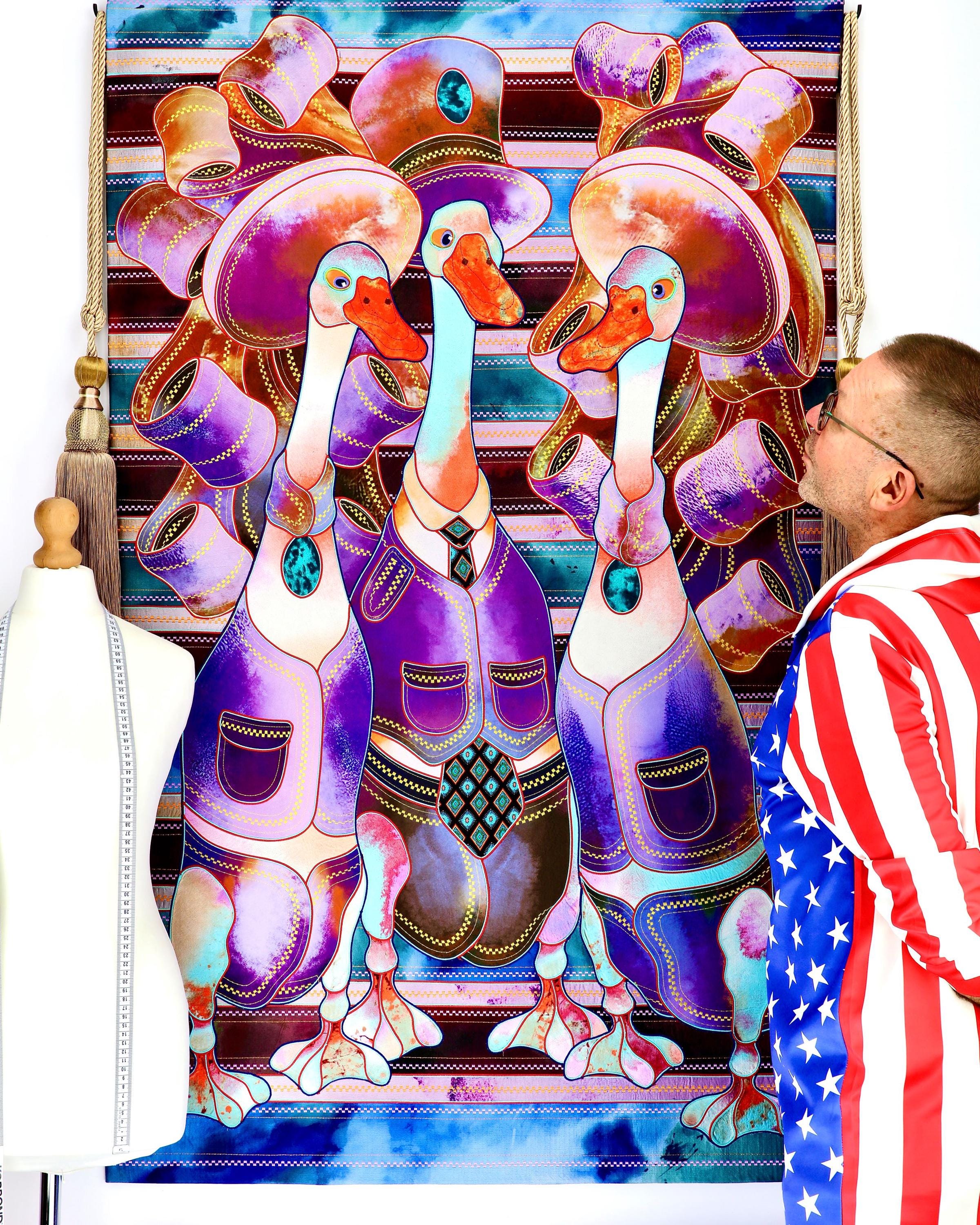
A textile piece from www.malginov.com can be appreciated from across the room, but its true significance is often revealed only when viewed closely. Detailed examination of the embroidery allows collectors and designers to delve beyond the surface and consider the subject matter, color, and scale. In a collectible work, detail is not just a decorative element, but a testament to the artist's control and understanding of materials.
In a home, suite, or hospitality space, where art must stand out among carefully designed architecture and exceptional furnishings, closer inspection of a textile piece is particularly valuable. This helps to differentiate between a piece designed to complement the space and one designed to dominate it.
-
Wed, Oct 14, 2026
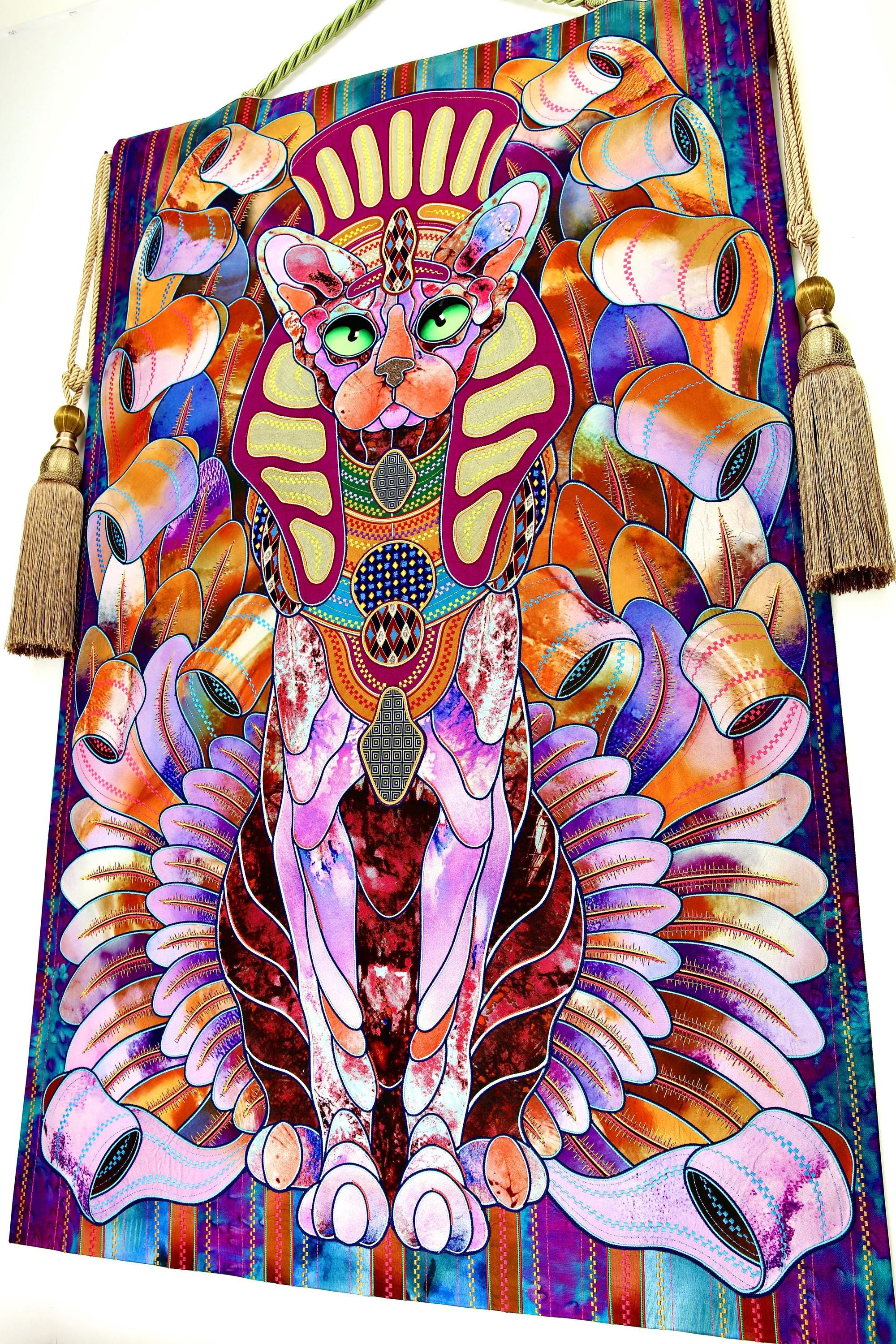
A foyer is the first thing a visitor sees when entering a home. It sets the tone for the entire space, as it is where they get their first impression of the proportions, materials, and overall design. The best artwork for luxury foyers goes beyond simply filling a wall - it creates a moment of recognition that gives the entrance a unique identity that is felt before anyone even enters the living area.
For a home with significant architectural value, art should be treated with care and attention. A carefully chosen piece in the foyer can add color, movement, and depth to the space, setting the mood for the rest of the home. The selection depends on various factors such as scale, visibility, material, lighting, and desired atmosphere. While there is no one-size-fits-all approach, there are guidelines that can help guide the decision-making process.
-
Sun, Oct 11, 2026
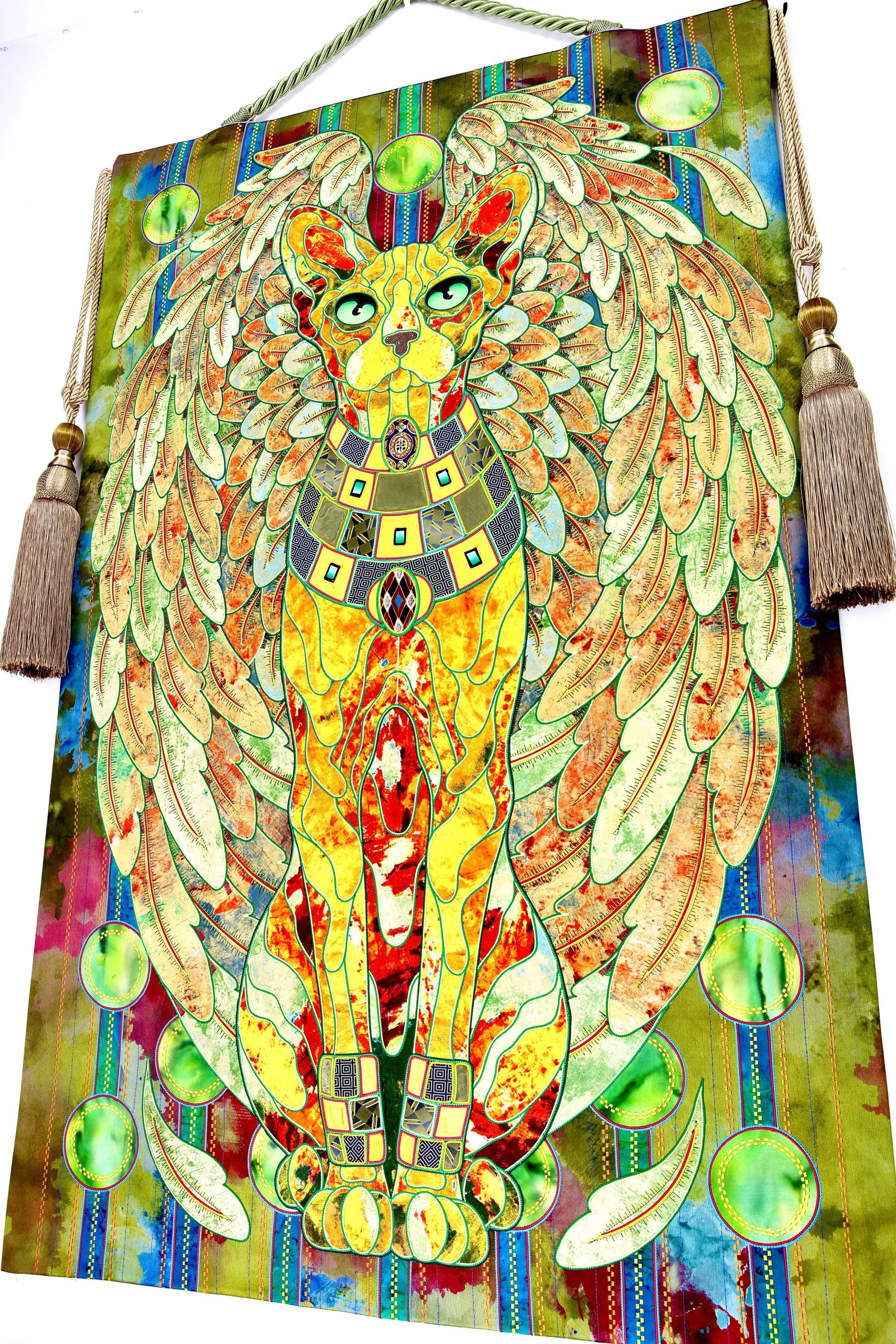
A substantial wall can transform a room into a fully furnished space or leave it feeling simply furnished. This difference is at the heart of the distinction between original art and art prints. It's not just about choosing between a higher or lower price; it's about choosing a different relationship with an image, its creator, and the space where it will be displayed.
For collectors and designers seeking a defining piece, the question isn't often whether a print is visually appealing. Many prints are visually pleasing. The more significant question is whether the work has the physical presence, rarity, and authorship to captivate attention in daily life. In exceptional interior spaces, these qualities often elevate wall art from simple decoration to a lasting visual statement.
-
Sat, Oct 10, 2026
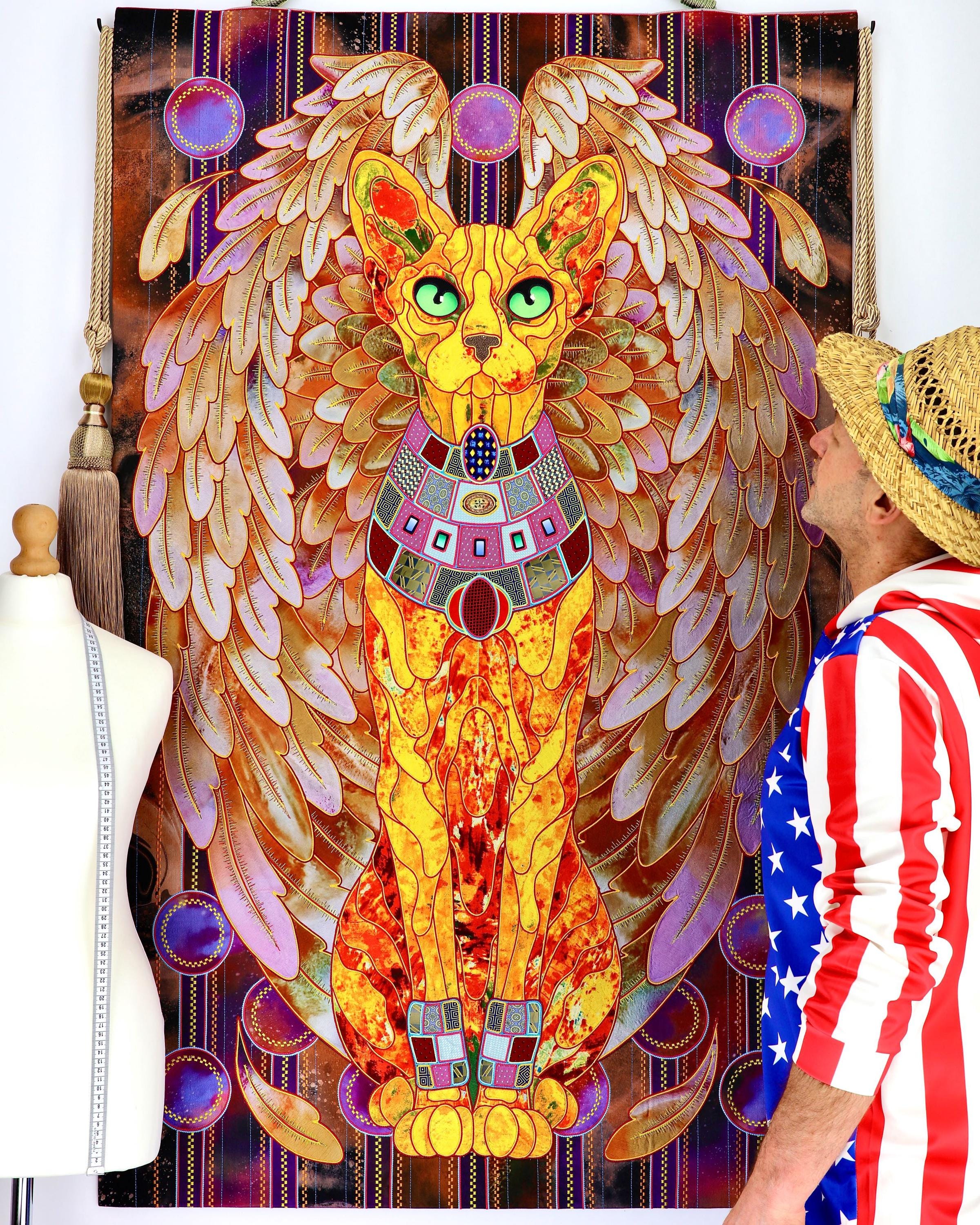
A substantial wall in a carefully designed interior requires more than just color. It needs presence, balance, and a strong visual element that binds the space together. When choosing between paintings and textiles, it's not about which medium is intrinsically superior. Rather, it's about which type of visual and physical experience best suits the space you're creating.
Paintings can provide a sense of immediacy with their vibrant colors, energetic brushstrokes, well-crafted compositions, and familiar authority in a frame. Textile art, on the other hand, offers a different experience. Silk, threads, embroidery, and other constructed surfaces interact with light in unique ways, adding depth, tactile interest, and physical connection to the architecture.
For those who enjoy collecting, designing, or decorating their homes with beautiful interiors, the selection process is just as important as choosing the right stone, custom rug, or significant piece of furniture. The medium chosen can transform the atmosphere of a room, how it looks, and even the character of the entire collection over time.