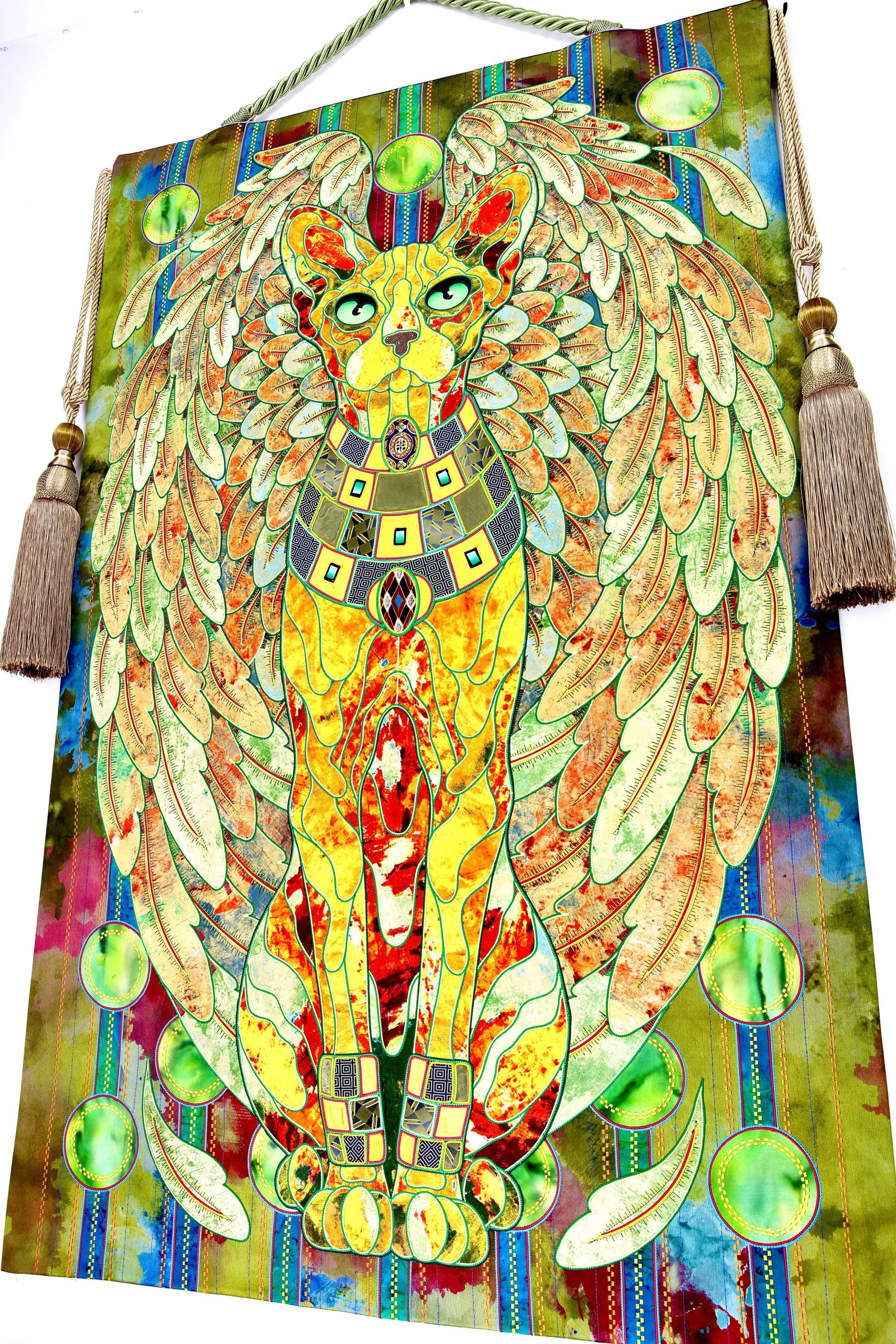
The original works of art and their replicas for collectors.
The main difference between an original artwork and a print is in the process of their creation. An original is the first creation of an artist, reflecting their unique vision and artistic choices. The surface of an original captures the tension of the stitched lines, the subtle imperfections of the hand-crafted form, and the harmony achieved in the overall composition. Even if an artist creates a series, each original has its own unique physical identity.An art print, on the other hand, starts with an existing image, usually a photograph or a digital file of the original artwork. It is created through different techniques, such as gicleé printing, lithography, silkscreening, or offset printing. Art prints can be made in unlimited numbers, known as open editions, or they can be limited editions with a specific number of copies. The quality of art prints varies from decorative posters to highly detailed archival editions, which are often created with the artist's participation.Both categories deserve careful consideration. A carefully crafted limited-edition print can be a thoughtful purchase, especially if a collector is attracted to a particular image, wants to decorate multiple spaces, or wishes to establish a connection with the artist on a more personal level. However, they are still reproductions of the artist's initial idea, rather than the original unique object.The presence of a work of art is more than its visual quality. While a screen can display all the colors in a piece, it cannot replicate the full experience of being in front of the artwork. This is especially true for textile art, which involves light interacting with fibers in different ways throughout the day and changes in appearance as one moves closer or farther away. Silk, in particular, has a reflective and three-dimensional quality that is difficult to capture in a flat, printed reproduction.Original works of art also contain evidence of the process of their creation. High-quality silk tapestries, for example, are not simply placed on a surface; they are developed through the interaction of various materials, textures, threads, colors, and scales, as well as the labor of skilled artisans. Hand-embroidered outlines create subtle reliefs, while densely woven areas can absorb light and open silk passages may appear to glow. These details are not mere incidentals; they form part of the visual language of the work.A print can replicate a motif, but it cannot match the physical quality of the original. This may be suitable for a secondary space or a fast-paced commercial project, where visual consistency is more important than individual details. However, in the main living area, reception area, or private suite, where material presence is crucial, original art provides something new to explore after the initial impression fades.Original art has rarity, origin, and collectible value. Rarity alone does not make a piece exceptional. A piece becomes exceptional when rarity is combined with unique style, artistic vision, and documented history. Collectors acquire not just an image but a specific piece that fits into the artist's overall body of work.An original artwork typically has a direct chain of ownership from the artist to the collector. This chain includes information such as the title, medium, dimensions, date, and any certificates or invoices that help to establish the artwork's identity. For artist-led studios, this direct relationship provides assurance that the work has been properly handled and described.When selecting large-format artwork for an architectural wall, it is important to consider the exact dimensions of the piece. The artwork should be viewed as an object in space rather than just a thumbnail on a screen. The value of an artwork depends on various factors, such as its authenticity, rarity, condition, and provenance.A signed, numbered edition with archival materials and reliable documentation is more valuable than an unsigned, open-edition print. However, there is a difference between a unique original and an editioned reproduction in the art market. A limited edition can be rare, but it may not be unique.This does not mean that all original works will appreciate in value, and it should not be expected that they will. Art is not a standardized asset class, and its value depends on various factors, such as the artist's career, recognition by institutions and critics, condition, demand, provenance (history of ownership), and the ongoing relevance of the work.The immediate value of an original work is often experiential, as it is unique and cannot be found in any other interior.Regarding the cost question, it requires a broader perspective. The initial price difference between original artwork and prints can be significant. Prints are typically less expensive because the costs associated with creating an image are shared among multiple copies. An original, on the other hand, reflects the unique labor, materials, expertise, and fact that it cannot be replaced after it has been acquired.When selecting artwork for a luxurious interior, it's important to consider both the cost and the visual impact of the piece. A piece that's chosen for a central wall will likely remain in place for many years, outlasting trends in furniture, paint colors, and design preferences. This makes choosing an original piece that resonates with you a more deliberate decision, rather than purchasing several decorative items that can be easily replaced.The best choice depends on the specific project. For example, a designer who is furnishing multiple rooms might choose a collection of works to create a unified look. A beginner buyer might start with a print to explore the themes, materials, and artists they want to include in their home. But when a room needs a focal point, a single original artwork often adds a depth of character that can't be replicated.