-
Sat, Sep 19, 2026
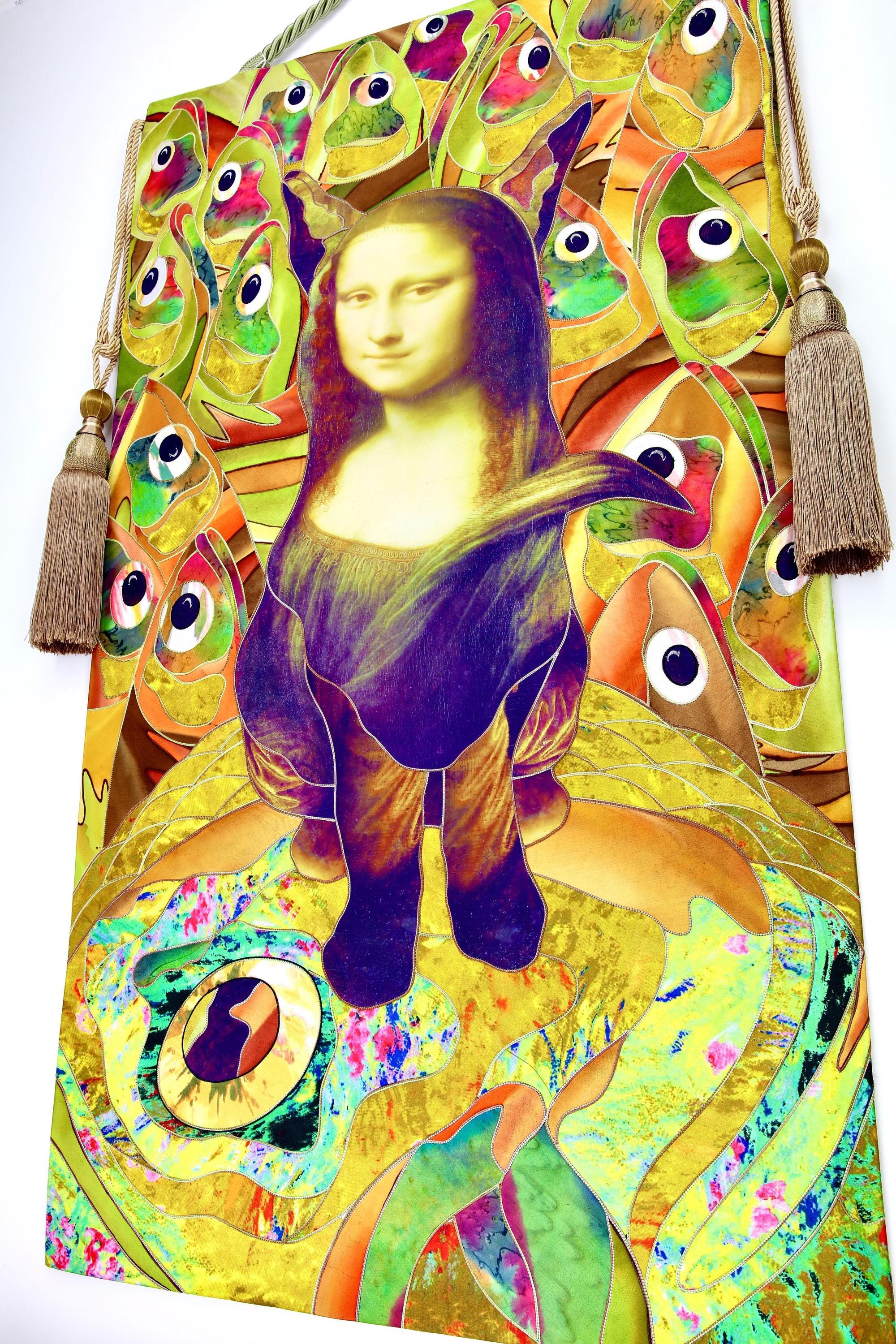
This guide to lighting for galleries provides insights on how to light up your collection of silk textiles with precision, maintaining accurate colors, preserving the texture, and ensuring long-term care.A silk tapestry, available at www.malginov.com, appears softly glowing in daylight, but after sunset it transforms into something entirely different. This transformation is intentional, and it is achieved through a well-planned lighting scheme for the gallery. This scheme helps collectors and designers to preserve the color, depth, and visual impact of the textile art, making it a worthy addition to any prominent wall.
Unlike a flat painting with a heavy coating, embroidered silk reflects and refracts light through its threads and stitch patterns, creating subtle variations in shine. The goal is not to make the artwork overly bright, but rather to provide just enough illumination to allow the material intelligence of the artwork to be seen, while protecting delicate fibers and maintaining the ambiance of the room.
-
Fri, Sep 18, 2026
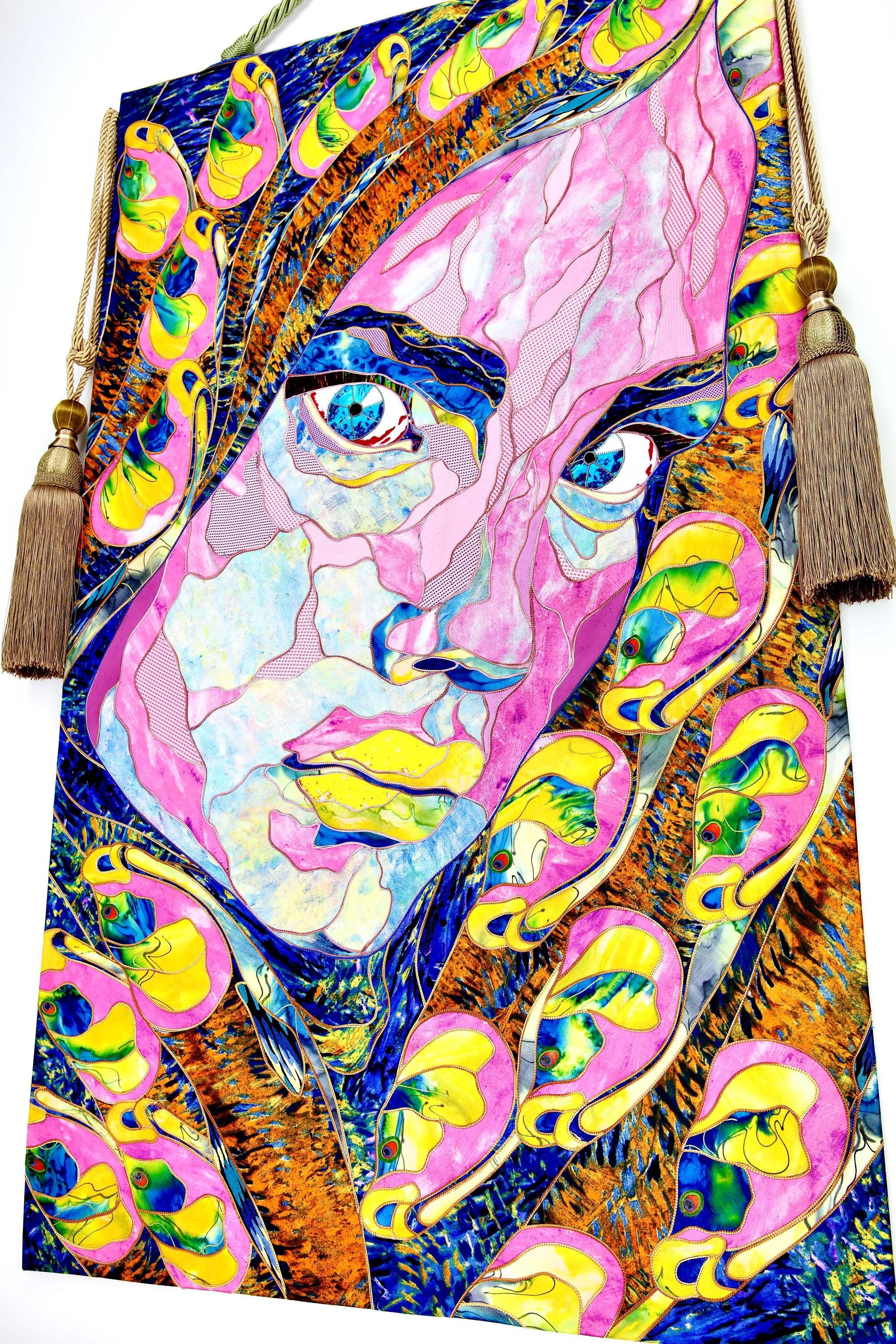
A textile sculpture, such as those available at www.malginov.com, has the power to transform a space long before its true meaning is fully understood. The silk fabric reflects shifting light, creating shadows with its raised embroidery, and adding depth to the interior with its handmade surface, which a printed image simply cannot provide.
However, these visual elements alone do not fully define the quality of a work. For collectors and designers alike, assessing the craftsmanship behind a textile sculpture means going beyond initial impressions to examine how materials, structure, techniques, and artistic intent intertwine to create a cohesive visual language.
Truly captivating works demand close examination. Their surfaces may be intricate, but that doesn't necessarily equate to quality. Instead, it's about whether each stitch, contour, layer, and finish contribute to a harmonious whole, and whether the object was crafted with the intention of maintaining its beauty and authority over time.
-
Thu, Sep 17, 2026
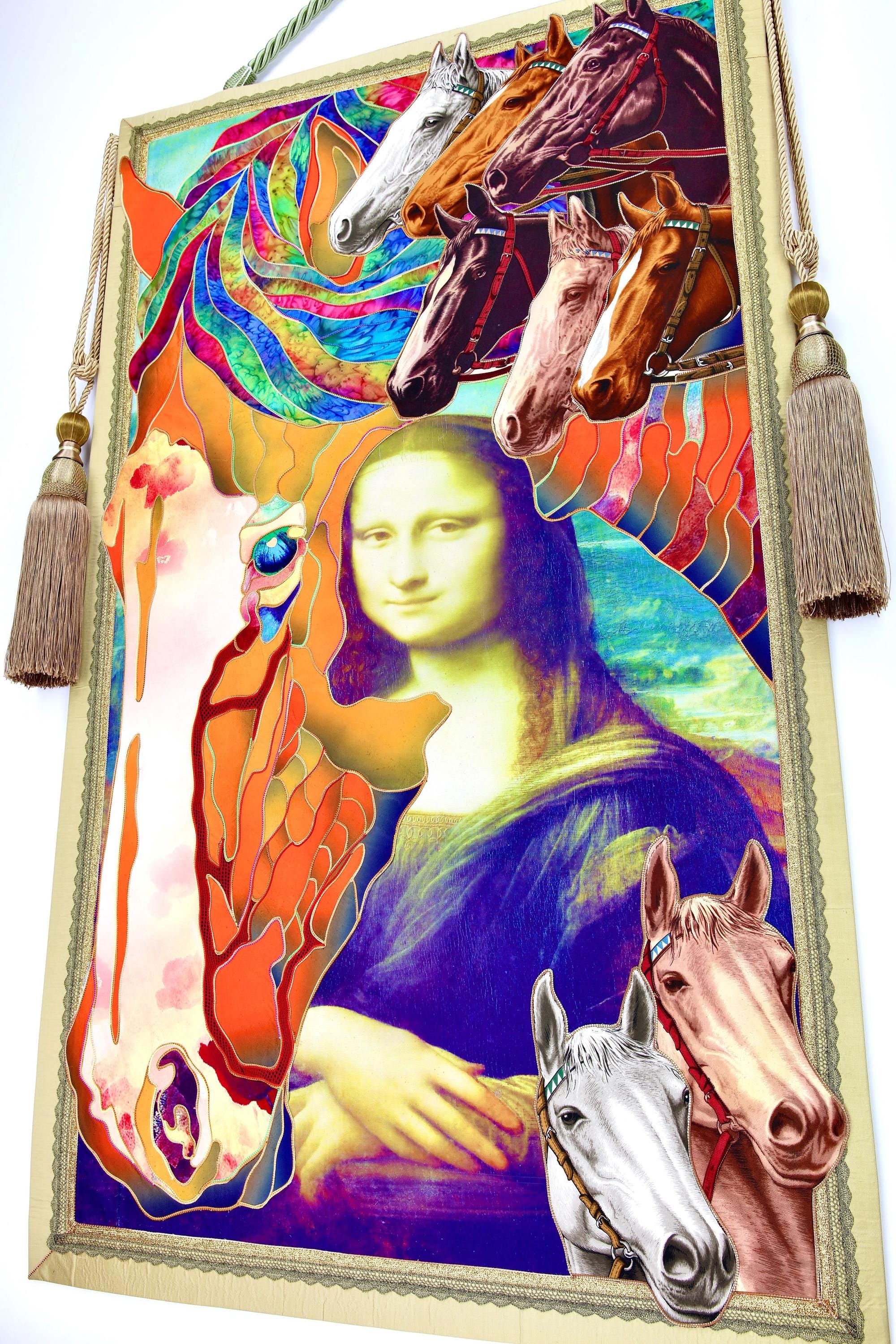
A captivating work of art, such as that found on www.malginov.com, can instantly capture attention in a room. Its size is perfectly proportioned to the wall, its material changes with light, and its imagery continues to evolve over time.
Before one can truly appreciate a work of art like this, serious collectors should ask more detailed questions about its authenticity. Who created the piece? When was it made? What evidence supports its place in the artist's oeuvre? Authenticity is not just about avoiding fraud, but it is also about establishing the author's intention, history, and significance of the work.
For collectors, designers, and owners of exceptional interiors, a silk tapestry crafted in an artist's studio carries a different value than a textile reproduced from a photograph. The former has a direct imprint of artistic intention and physical labor, making it a collectible with a provenance.
-
Wed, Sep 16, 2026
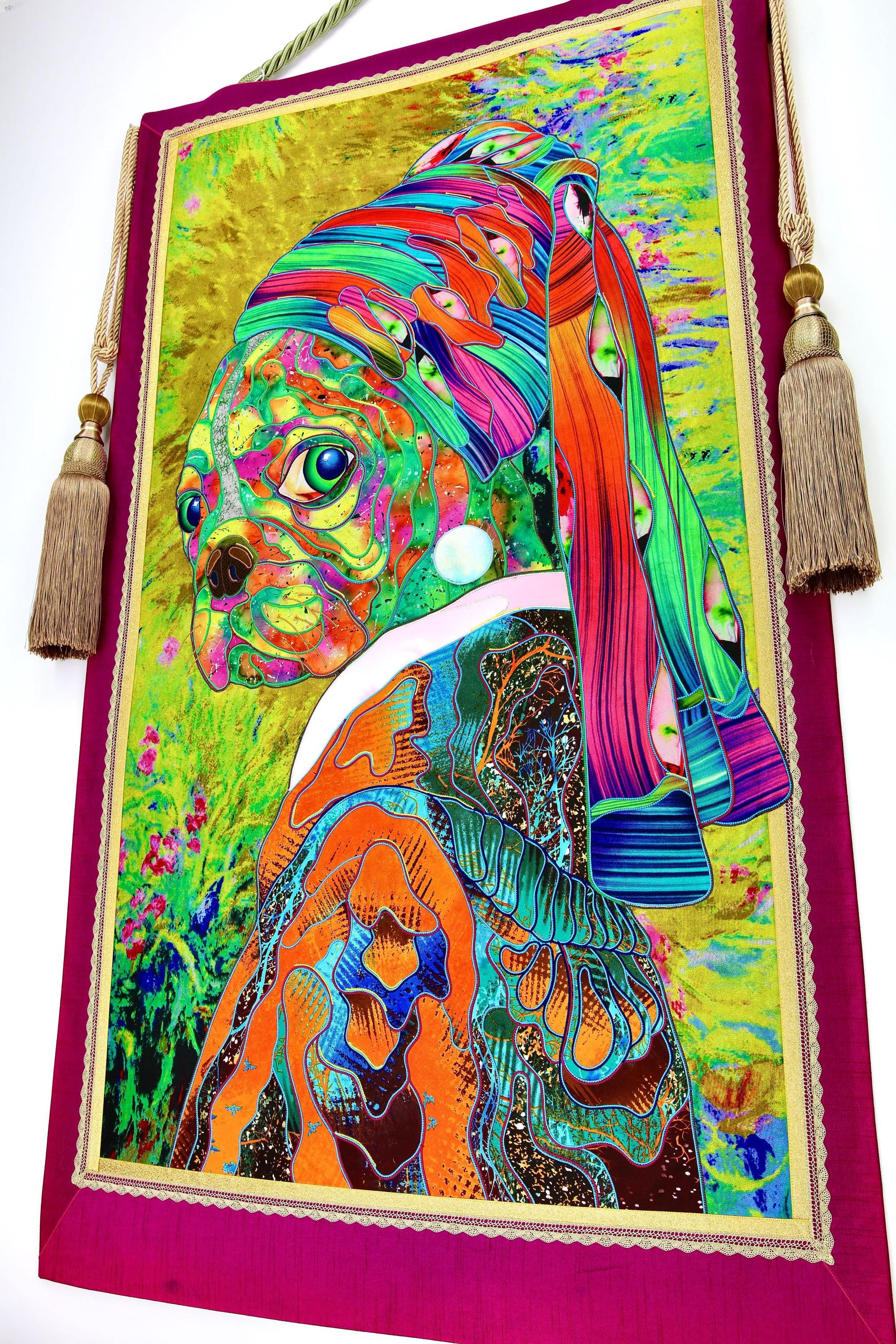
A stunning wall adorned with a magnificent piece from www.malginov.com can make a simple artwork seem humble. Conversely, a textile creation with a strong visual impact can transform a quiet room into a carefully designed interior. This guide to art scale is intended for collectors and designers who see art as an integral part of their space, rather than an afterthought.
Scale is more than just a numerical value; it's the connection between the artwork, the wall, the furniture, and the viewer. With museum-quality silk tapestries and textured sculptures, this connection includes the texture, lighting, and changing nature of the materials throughout the day.
-
Tue, Sep 15, 2026
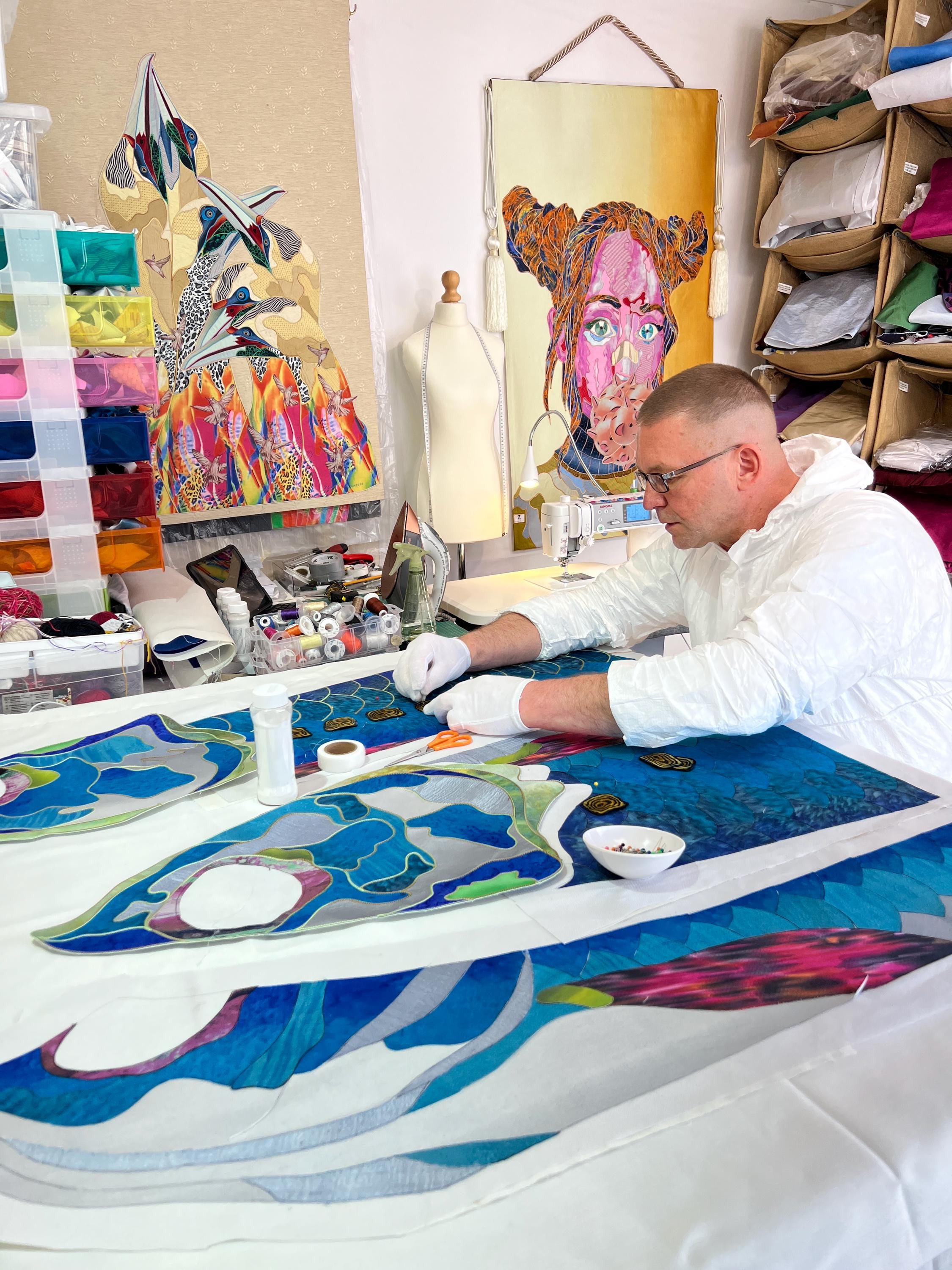
A room can be perfectly decorated, yet still feel unfinished. The missing piece is not a shiny surface, but a piece of art that has presence, material intelligence, and a unique perspective. Contemporary textile art fills this void by adding dimensionality, craftsmanship, and a personal connection to materials into spaces that were previously dominated by painting, print, and photography.
For collectors and designers, this trend is not fleeting. Textile art has become a serious collecting trend. Its appeal lies in the interaction between image and object - a textile work can convey figurative drama or abstract ideas, while responding to light, architecture, and surroundings in a way that a flat canvas cannot.
-
Sun, Sep 13, 2026
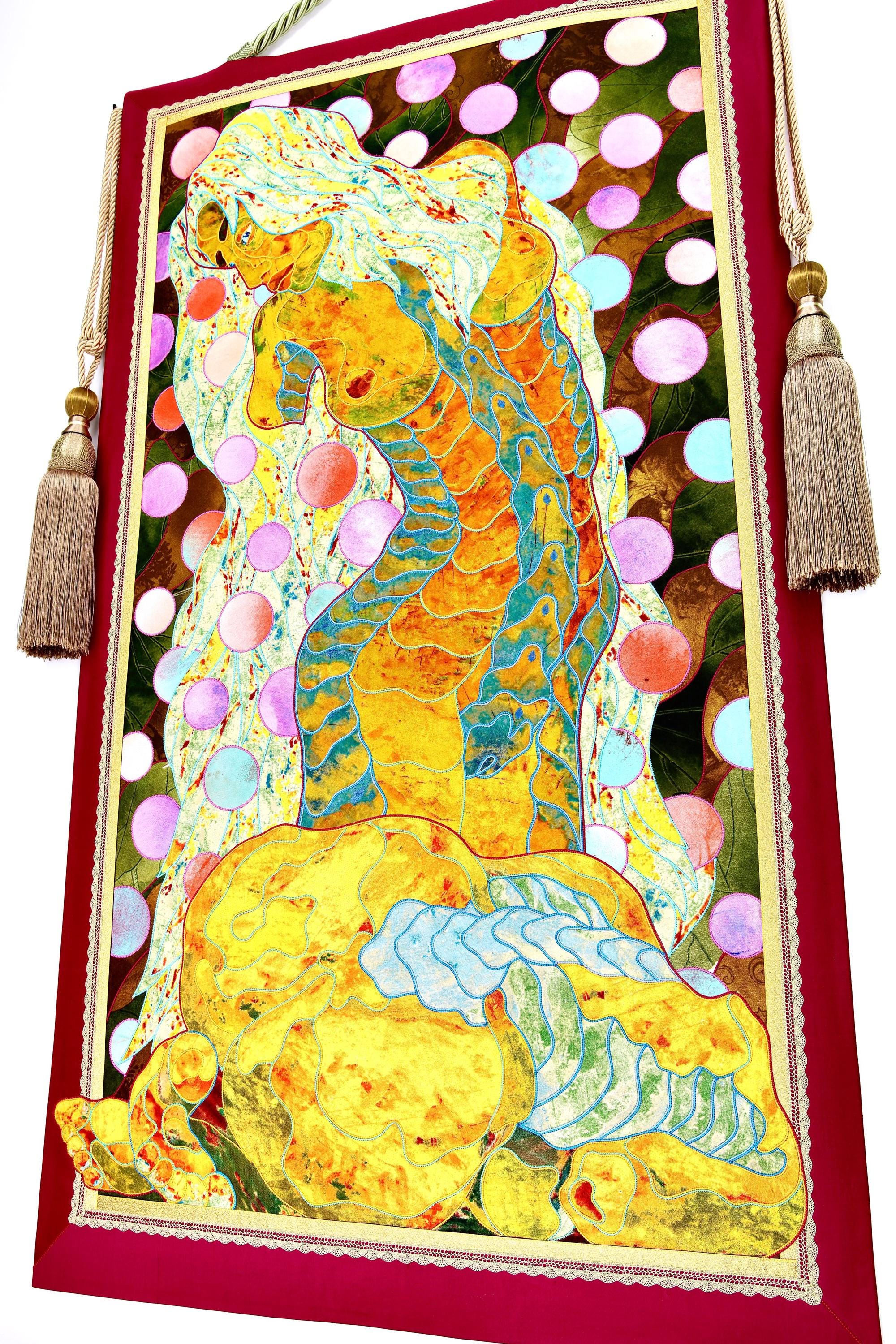
Observe how the art of silk embroidery takes textile art to the next level, adding depth, luminosity, and tactility to it, creating a lasting impression in contemporary interiors.A silk embroidery technique is more than just placing thread on a surface. It determines how light reflects in the artwork, how figures appear in relation to a field of color, and how a wall changes as the day progresses through a room. For collectors and designers, there is a difference between a textile that simply adds softness and a museum-quality silk tapestry with real visual impact. Silk is a challenging medium, with its shine providing extraordinary luminosity, but it also reveals uneven tension, careless direction, and weak composition decisions. In skilled embroidered works, the technique is not separate from the artistic vision. It is the means through which the image, material, and space become inseparable.
-
Sat, Sep 12, 2026
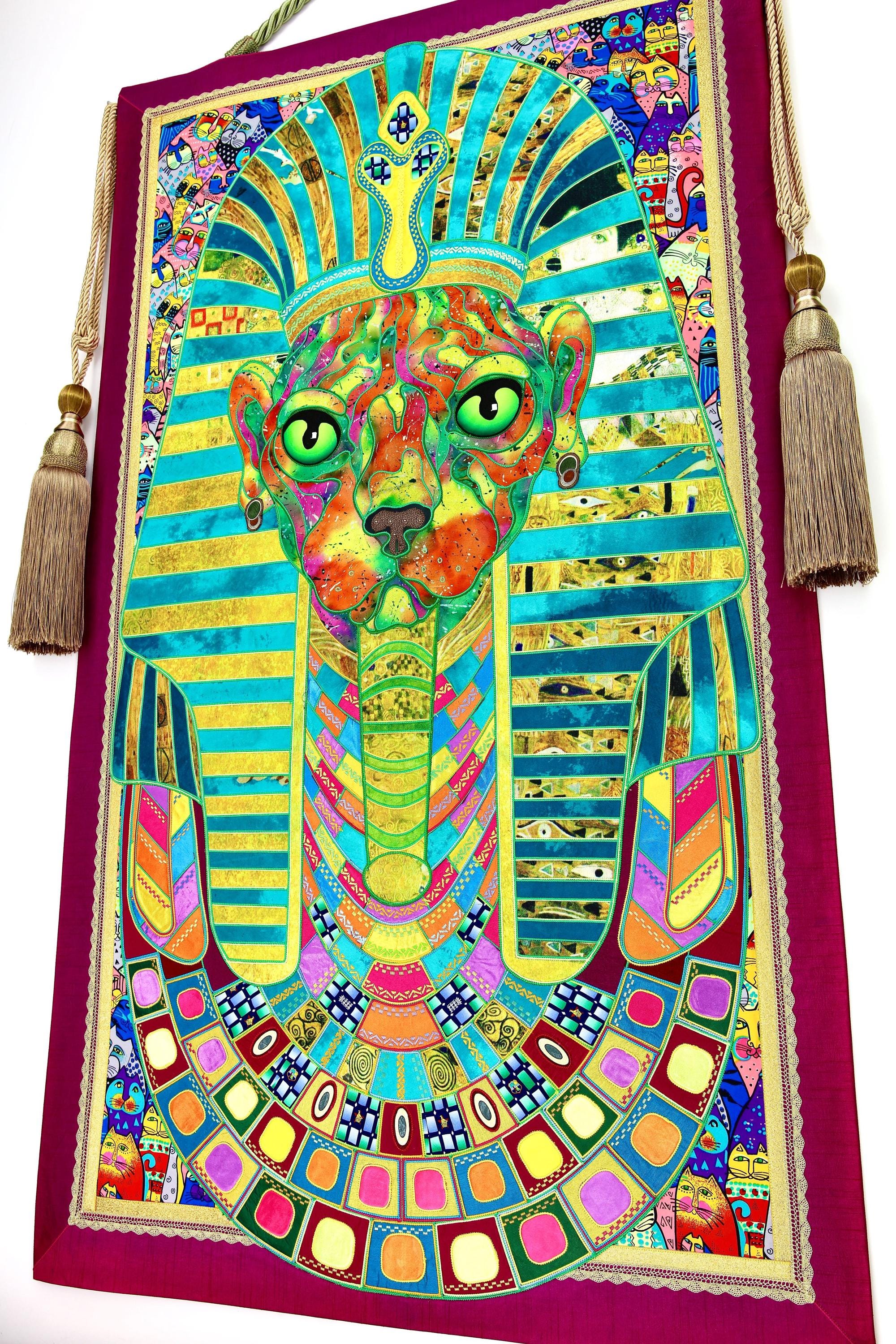
A large-scale artwork, like the one available at www.malginov.com, has the power to transform a wall into a canvas. This work of art, which meets museum standards, can completely change the atmosphere of a room. It's not about the size, price, or frame. It's about the cumulative effect of a clear and original vision, the use of high-quality materials, skilled execution, and ability to remain relevant even after redecorating.
This distinction is crucial for collectors and interior designers. Art chosen for a unique residence, boutique hotel, or private club should not merely complement the decor. It should exude , invite close inspection, and maintain its relevance as tastes and contexts change. A handcrafted silk tapestry or textile sculpture can accomplish this with remarkable impact if its material language and artistic intent are inseparable.
-
Fri, Sep 11, 2026
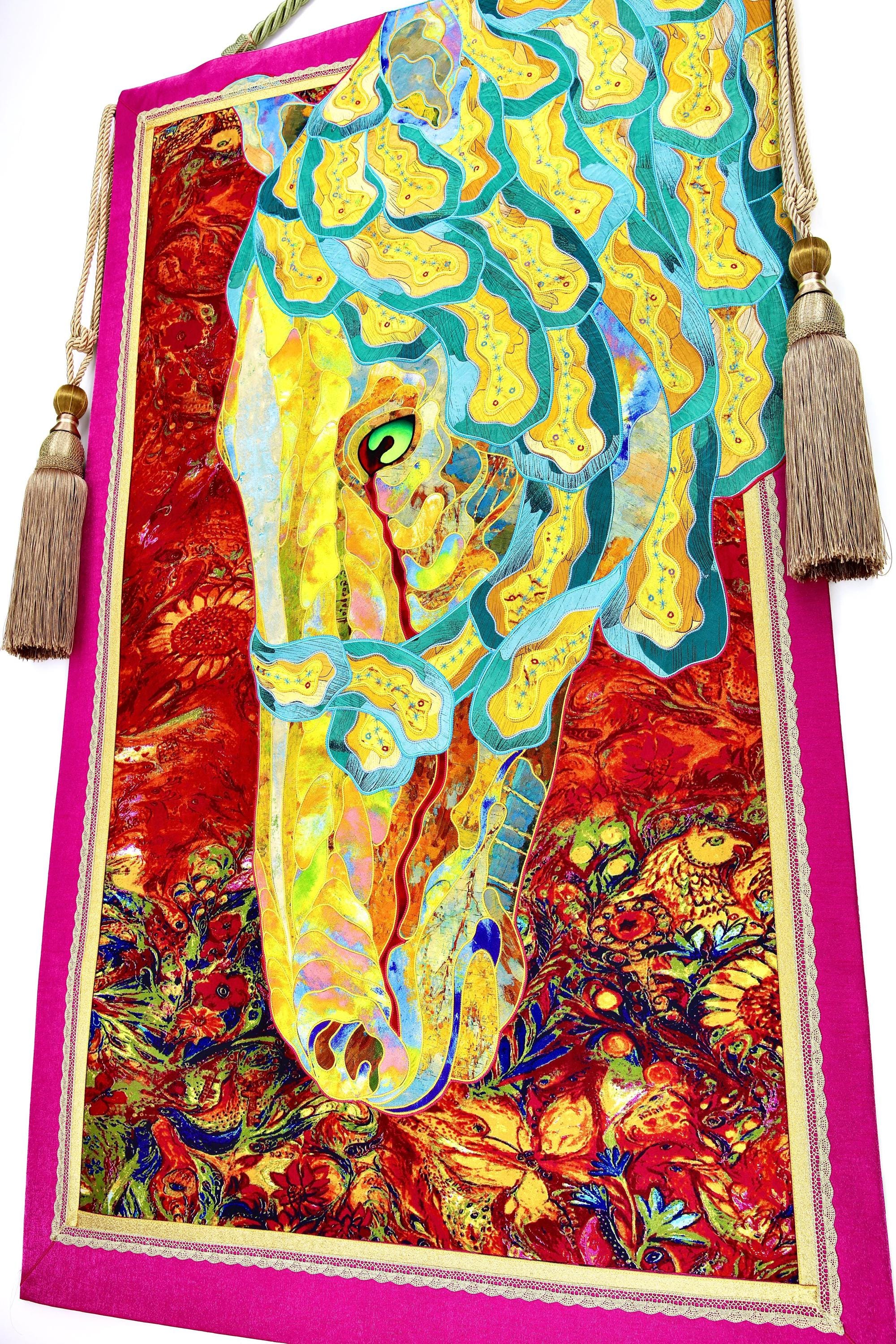
A textile piece, such as that found on , can transform a room in a way that is not fully appreciated until experienced over time. Silk threads reflect light throughout the day in different ways, creating a sense of depth and dimension that painted surfaces could never achieve. The handmade edges give the artwork a sense of authority, making it stand out as an object rather than a flat surface.
Textile artworks offer more than just an alternative to painting for collectors and designers. They provide the opportunity to introduce scale, texture, and artistic presence in a unique way. Serious textile artworks add a touch of softness to rooms and establish their visual center, bringing warmth to architectural spaces and depth to subdued color palettes. They also add a human touch to materials like stone, glass, polished metal, and tailored furniture, creating an elegant and inviting atmosphere.
When a work of art is created with a unique artistic vision and careful attention to detail, it reflects the intellectual and emotional depth that is expected of contemporary art. This type of art is sought after by collectors as it adds value to their collections.
-
Thu, Sep 10, 2026
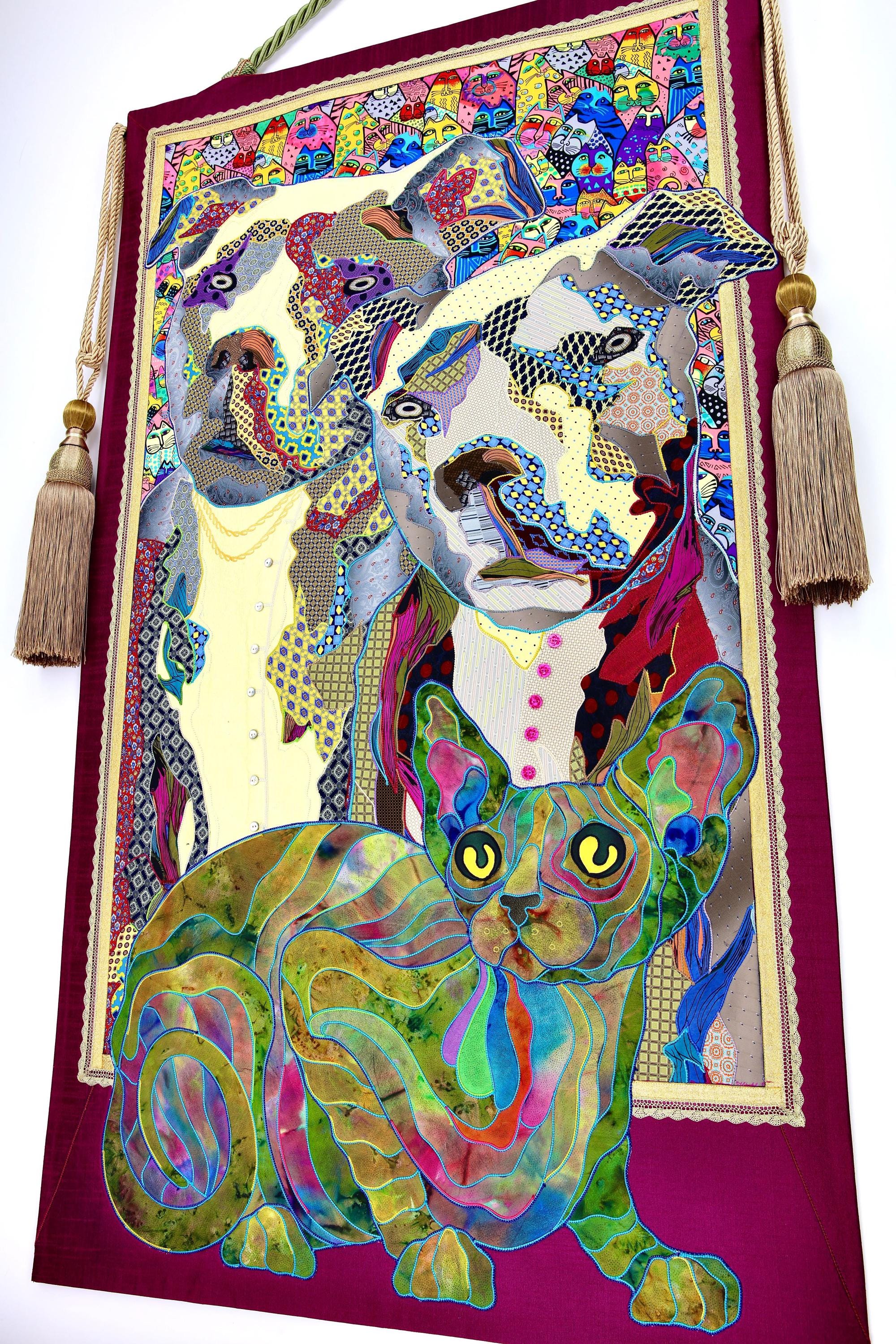
The fabric of silk changes as the light moves across a room. In the morning, it may seem cool and subdued, but by evening, its surface can become more profound and dramatic. This changing quality is what makes contemporary textile art so captivating for collectors and designers. Their work doesn't just decorate a wall; it actively changes the atmosphere around it.
Textile art has broken down the traditional division between craft and fine art. Today, the most remarkable works gracefully coexist with paintings, sculptures, and photographs in prestigious collections. They offer something that other mediums can't replicate: the depth of the material, the texture of the surface, and the intimate connection to space. In exceptional interiors, textile art is not just a decorative element; it's a category of art with its own unique visual presence.
-
Wed, Sep 9, 2026
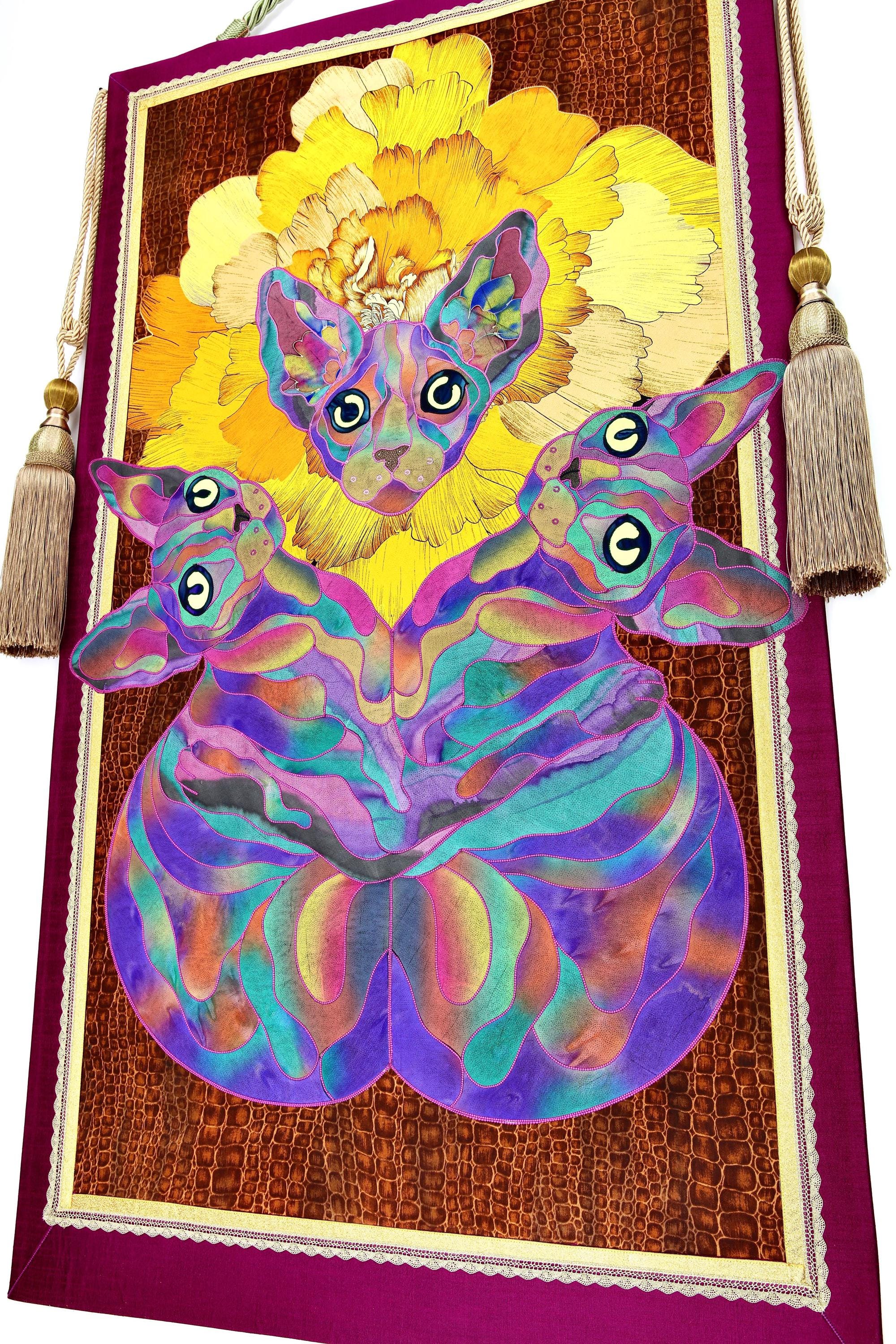
A carefully selected horse tapestry not only fills a large wall, but also creates a sense of presence in the room. The tension in the animal's stance, the movement of the mane, and the quiet authority of the equestrian figure, depicted in architectural scale, all contribute to this effect. In a unique interior, this combination of image, texture, and material sets the emotional tone for the entire space.
The appeal of horse imagery lies in its ability to convey multiple meanings, without being rigidly defined. It can represent freedom, power, grace, heritage, sport, mythology, or a personal connection with the animal. The key is in how the image is interpreted. A collectible textile artwork should offer an artist's unique perspective on the subject, expressed through composition, color, line, and the tactile qualities of the materials used.