What makes museum-quality artwork desirable for collectors?
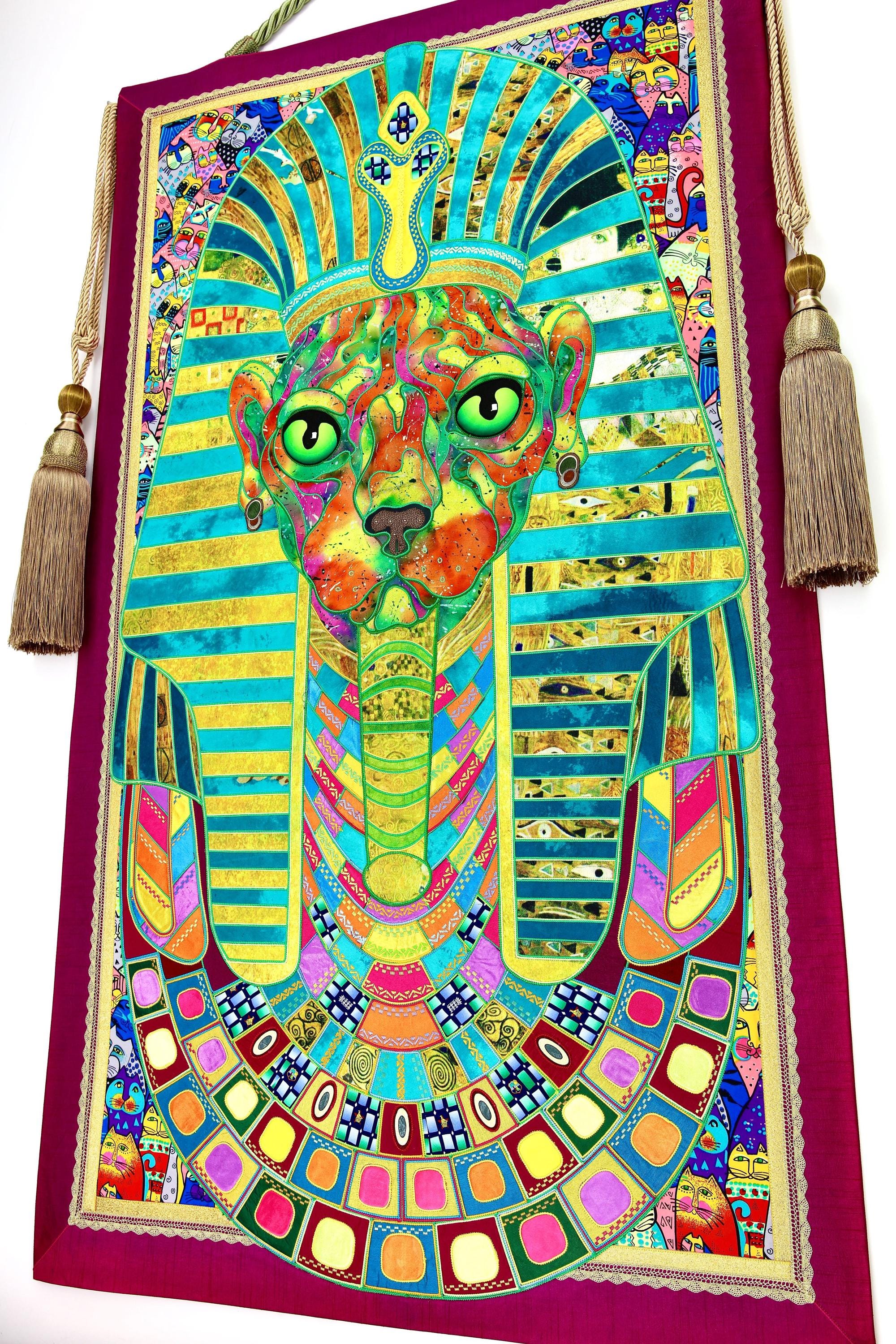
The term "museum quality" is often used in the art world to describe certain characteristics of a piece of artwork. While these characteristics can include archival paper, superior printing processes, and sturdy frames, they do not in and of themselves make a work of art worthy of being considered a collectible.When discussing fine art, the term museum quality refers to a more rigorous set of standards. A work of art that meets these standards should demonstrate originality rather than simply replicate a familiar visual formula. Materials used should be selected for their beauty and durability, and the work should be constructed in a way that ensures it can withstand careful display and conservation. Perhaps most importantly, the work should reveal decisions made by the artist that cannot be replicated by anyone else.This is why a textile work should be appreciated beyond its surface design. Silk has a luminosity, softness, and movement that cannot be achieved with paint. The beauty of silk as an artistic medium lies in its deliberate use of these qualities. A figure emerging from intricately woven threads or an animal form on a background of shifting silk can create a dynamic visual experience as the light changes in the room. These material qualities are an integral part of the meaning of the work, not just an ornament.Proof of an Artist's HandOriginality is often discussed as a theoretical concept, but in practice, collectors can recognize it in the uniqueness of a work. Does the image seem to have been created by a particular artist, with their own approach to proportion, color, composition, and subject matter? Does the textile technique add to the image, rather than simply copy it? Is there an identifiable artistic world behind the piece?A studio run by an artist offers a significant advantage. The collector acquires the work directly from the artist, rather than a nameless object that has gone through numerous production stages. This ensures that the connection between the idea and its execution is maintained. The individual pieces, a coherent body of work, and the documented studio process all contribute to this connection.While recognition can be important, it should not be the only factor in determining the value of a work. The artist's exhibition history, awards, and external acknowledgments can provide context for their reputation and trajectory, but they are most valuable when they reinforce what the work itself communicates: conviction, technical skill, and a unique point of view.Edition sizes can have an impact on the conversation surrounding a work, but they should not overshadow the importance of the artwork itself.A limited edition can be a valid collecting category, especially when the process is thorough and transparent. However, rarity alone does not guarantee artistic significance. A small-scale edition of a common image remains common.For those seeking a distinctive statement, a one-of-a-kind handmade textile work of art offers a different approach. The variations in embroidery, silk, texture, and craftsmanship are intrinsic to the piece. There is no exact duplicate. This is essential in interior design, where the work of art is intended to be a defining visual element, rather than just another option among many interchangeable choices.Materials should be chosen for their beauty and longevity.In the realm of museum-quality art, it is not essential for every material to be centuries-old or indestructible. Contemporary artists often use materials that require careful care. What counts is informed selection and honest representation.The beauty of silk lies in its ability to react to light with depth and delicate radiance. However, silk is not a material that should be exposed to direct sunlight for long periods, as this can damage its color over time. Similarly, high humidity is not ideal for silk as it can cause the fabric to deteriorate. These factors are not reasons to avoid using silk, but they do require careful handling, similar to how one would handle fine photographs, paintings, or antique textiles.Fine textile artworks are created through a deep understanding of these factors. The quality of the fibers, stability of dyes, thoughtful selection of backing, and skillful application of finishing techniques all contribute to the longevity and beauty of the artwork. Additionally, a clear approach to installation is essential for preserving the work's integrity. A collector should carefully consider dimensions, medium, orientation, and hanging method before deciding on the best display for the artwork.For creators, precise measurements in inches and centimeters are not just administrative details. They are essential for determining whether a work will fit the required scale on a console, across a wall with double height, or at the end of a long hallway. A large textile piece requires space to breathe, and if it is too small, even an impressive piece can lose its impact. However, when it is the correct size, it can completely transform the space. 2. The size of a large-scale artwork can significantly impact its perception. A face, figure, or animal depicted on a grand scale invites physical interaction. At a distance, the artwork creates an atmosphere and defines its outline. Up close, intricate details such as silk fibers, embroidered patterns, and texture variations capture the viewer's attention. This dual experience is particularly beneficial in hospitality settings where visitors may encounter the artwork multiple times.While size does not necessarily equate to superiority, a more intimate piece may be ideal for a bedroom, private study, or small entryway. It's important to consider whether the scale is deliberate in relation to architecture and furnishings or dictated by filling every available space. Regarding framing and installation,A textile artwork does not have to mimic a painting in order to be aesthetically pleasing. In fact, some works gain strength from being presented without a frame, allowing the material edges and tactile surfaces to remain visible. Other works benefit from a carefully designed frame, gap, or mounting system, which gives the work an architectural definition.The choice of presentation depends on the specific artwork and interior. However, what should never be compromised is the secure installation and protection of the work from conditions that could cause wear and tear. When purchasing a significant piece, consider factors such as wall support, lighting conditions, proximity to windows, exposure to smoke, moisture, and heavy traffic.The history of a textile artwork can be traced back to the moment it was purchased.The concept of provenance is often linked to auction houses and historic collections. However, it actually begins when a work of art enters your collection. A clear record of purchase, including the artist's name, title, date, medium, size, and any relevant documentation, forms the basis of the artwork's history.Purchasing directly from the artist offers a unique level of transparency. The collector gains an understanding of the work's position within the artist's body of work, the inspiration for its creation, and the specifics of its production. This insight adds depth to the ownership experience and helps future caretakers, curators, and potential custodians appreciate the significance of the item.For collectors who purchase art online, transparency is essential for building trust. Precise measurements, clear images, detailed descriptions of materials, and transparent pricing allow potential buyers to make an informed decision before they make a purchase. The purchase should feel like a personal and meaningful experience, without any hidden surprises.It's not about how a piece of art looks on the day of delivery. Instead, it's about whether it can continue to captivate and inspire you years later. Strong contemporary art can be both immediately appealing and timeless.Approach the work from different angles. Observe its overall composition and how it interacts with the surrounding space. Then, take a closer look at the craftsmanship. Notice how the materials add depth to the images, how the colors are subtle, and how the subject has a psychological impact. Finally, imagine the room evolving around the piece. A truly valuable work of art should remain relevant, even as the furniture, paint, and lifestyle around it change.Kostyantin Malginov's silk tapestries are perfect examples of this type of enduring art: unique, handmade pieces that combine figurative artistry with textile expertise to create harmonious interiors.A significant purchase does not need to conform to every market trend or design guideline. Instead, it should be carefully selected and installed with due regard for its materials. When art is created with authenticity and has a lasting physical presence, it becomes an integral part of the space, imbuing the room with a sense of history and memory.