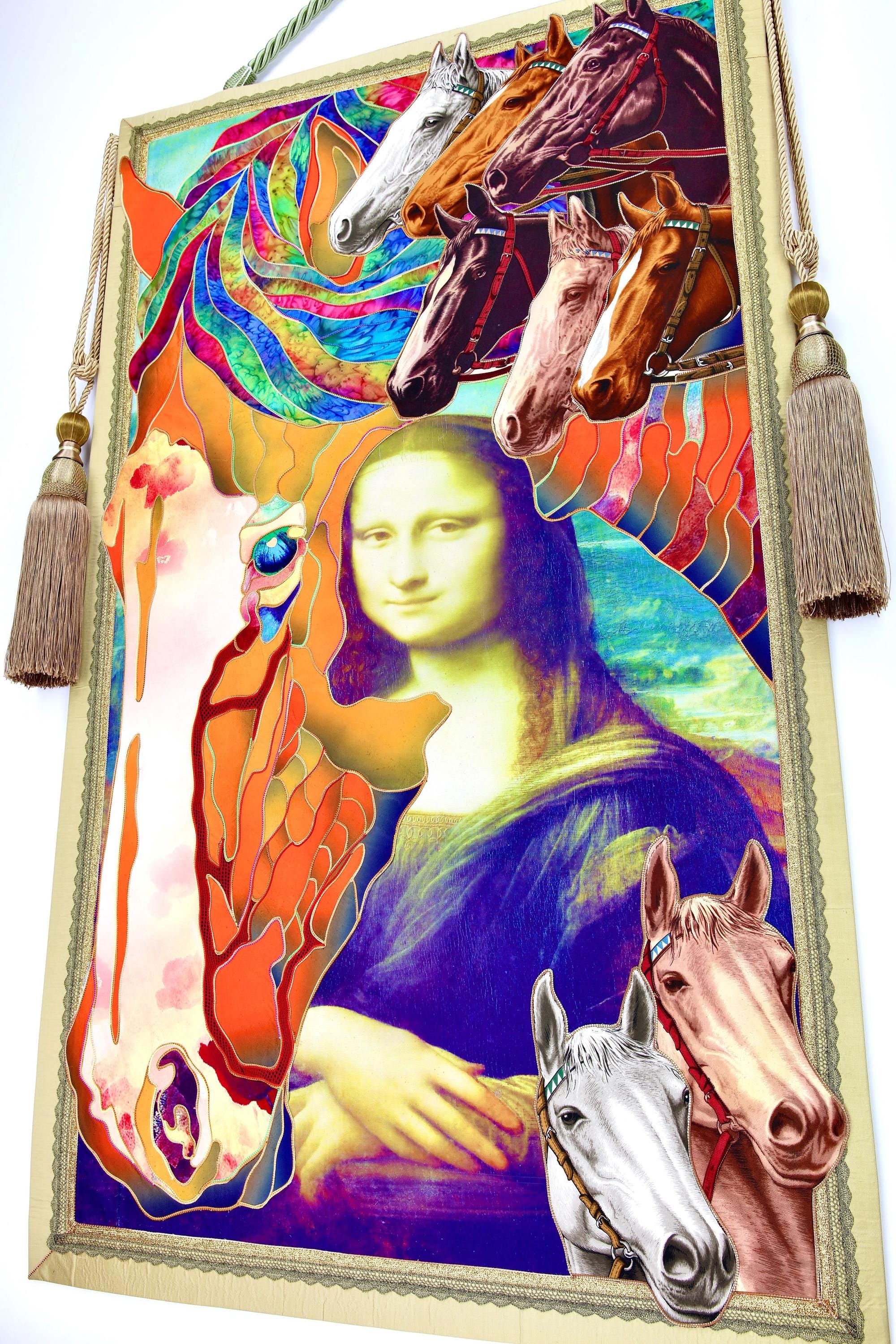
Start with the Artist and Source. One of the most straightforward ways to acquire a work of art is by purchasing it directly from the artist or from a well-respected gallery that represents their work. This approach reduces uncertainty about the authenticity of the artwork and allows collectors to understand it in its proper context, including the artist's collection, the date of creation, the medium, and its relationship to other works. When considering a purchase, it's important to ask about the seller's connection to the artist. Reputable sources will provide clear information rather than using vague phrases like "artist-inspired" or "from a private collection." Purchasing directly from living artists' studios also establishes a valuable link in the ownership history of the artwork.This does not mean that secondary market purchases are inherently less desirable. Works often pass through reputable galleries, estates, auction houses, and private collections. However, the standard for authenticity is simply higher. The more hands a work has been through, the more important it is to document its history carefully. When purchasing art, it is important to ask precise questions about the authenticity of a piece. In the luxury art market, transparency is key. Before making a purchase, make sure to establish whether the piece is an original work, a unique variation, an edition, or a reproduction. These terms are not interchangeable and should be clearly stated in any documentation. For a textile artwork, you can ask about the process of its creation. Was the silk hand-embroidered, appliquéd, woven, printed, or created using multiple techniques? Was the artist personally involved in the execution of the work, or was it fabricated elsewhere?Contemporary art allows for both studio production and collaborative efforts. It's important to understand the nature of the process, including the presence of a signature, title and date on the work. Signatures can appear on different parts of the artwork, such as the front, back, stretcher bar or label, and they can also be found in accompanying documentation. The location of signatures depends on the medium used by the artist.A signature is useful information, but it shouldn't be the only factor when deciding whether to buy an older or lesser-known work. Instead, it should be considered in conjunction with other evidence, such as provenance and provenance records, to establish the authenticity of the piece and its history.Finally, request the exact dimensions and clarify what is being measured. Textile artwork may have a visible image area, a complete textile field, and an installation size including mounting or framing. For a designer selecting a statement piece for above a fireplace, behind a reception desk, or in a hospitality suite, even an inch can affect the composition of the space. Including dimensions in both inches and centimeters eliminates unnecessary ambiguity. Documentation should tell a coherent story. A certificate of authenticity can be helpful, but it is not a magical document. Its value depends on who issues it, what it identifies, and whether it clearly corresponds to the item being sold. A valuable certificate typically includes the artist's name, title, date, medium, dimensions, information about editions where relevant, and a signature or official studio approval.The certificate should describe specific work, rather than a general category of merchandise. "Silk artwork" is less helpful than a detailed account of an individual piece, including its title, hand embroidery, exact size, year of creation, and unique status. Photographs can help connect the document to the object, particularly for works with distinctive figurative details, color patterns, or sculptural features. It is important to keep all records associated with an acquisition, including invoices, certificates, condition reports, installation instructions, correspondence, exhibition materials, and shipping documents. These items form a practical provenance file that can be used for insurance, estate planning, future resale, and collection management.For artist-led studios, an invoice can be especially important because it records the direct transfer of work from the creator to the first owner. While carefully maintained records may seem administrative at the time of purchase, they help protect the artwork's identity over time. Provenance is more than just a list of owners; it refers to an artwork's ownership history. A complete provenance provides reassurance, but a shorter history doesn't necessarily indicate a problem. Newly created works purchased directly from artists will naturally start with simple records. The important thing is that the documentation is accurate and consistent and supported.Be careful when dates, dimensions, materials, or titles vary from one document to another without an explanation. Small differences may be the result of a cataloguing mistake or a change in presentation. They could also indicate that the work is confused with another version, edition, or reproduction. Before making a decision, ask for clarification. The exhibition history, publication, and artistic recognition of the work can provide useful context, but they do not substitute for direct evidence of authorship. These factors show that the artist's work has been seen and appreciated in a broader cultural context. For collectors, this context can help distinguish a decorative piece from a work that has a defined place in contemporary art. When examining a work, pay attention to its material, condition, and craftsmanship.Authenticity and condition are two related but different aspects of a piece of artwork. An authentic piece may show signs of wear, restoration, or other factors that affect its condition, such as sun exposure, stains, loose threads, or structural issues. However, a piece that appears pristine on the surface may still lack evidence of the artist's work. It is important to ask about both when evaluating a work of art. Textile works deserve special attention because their materials and surfaces can respond to factors like light, humidity, handling, and display conditions. When possible, examine close-up images to look for the details of handwork, such as variations in stitch direction, thread density, edge treatment, layering, and subtle irregularities that add character to a handcrafted surface. These features should not be considered alone as proof of authenticity, but they can be aligned with documented techniques.Request a clear description of the condition and ask if any conservation work has been done. Professional stabilization or restoration is not necessarily a negative thing, especially for older pieces. The important thing is transparency. A reputable seller will explain what was done, why it was done, and if records are available. For larger works, ask about the mounting system. The way a piece is installed affects not only its safety but also its appearance, tension, and long-term preservation. A high-quality museum-worthy silk tapestry should be displayed in a way that respects its unique structure and design, rather than treated as ordinary wall decor. Remember that editions can be valuable regardless of their condition.Art editions can be highly collectible, but it's not just about whether an artwork is an edition. It's also about how the edition is defined and controlled, as well as the total number of copies produced and the production method. It's important to ask about the number of artist's proofs and whether the work has been numbered. A limited edition should have a clearly defined limit, rather than an open-ended claim of exclusivity. Unique works offer a different appeal, as their singularity can make them stand out in an interior. In the case of handcrafted textile art, related works may differ materially due to factors such as embroidery, silk coloration, scale, and construction. At Kostyantin Malginov's studio, each work is presented with detailed information about its acquisition, allowing collectors to evaluate both the artistic character and practical fit of the piece before making a purchase.Neither format is universally superior. A unique piece may suit a collector seeking a distinctive centerpiece, while a carefully controlled edition can be a great choice for a project that requires a specific image, scale, or budget. The important thing is that the buyer understands exactly what they are acquiring.When independent expertise is needed, it may be wise to seek an independent review, particularly for significant secondary market purchases. This could include a recognized expert, the artist's estate, a respected conservator, or someone with deep knowledge of the medium. The right expert depends on the artist and the time period. Don't confuse appraisals with authentications. Appraisals estimate value for a specific purpose, while authentications address authorship. Some experts do both, but the questions and evidence standards are different. Be clear about what service you need.Trust your aesthetic response, but also give it the benefit of careful consideration. The best piece of art is one that will continue to reward your attention, not only because it is beautiful, but also because its creation, craftsmanship, and history have been carefully considered, as well as the space in which it will be displayed.
Art: How to Determine the Authenticity of a Work Before Purchasing