-
Fri, Oct 9, 2026
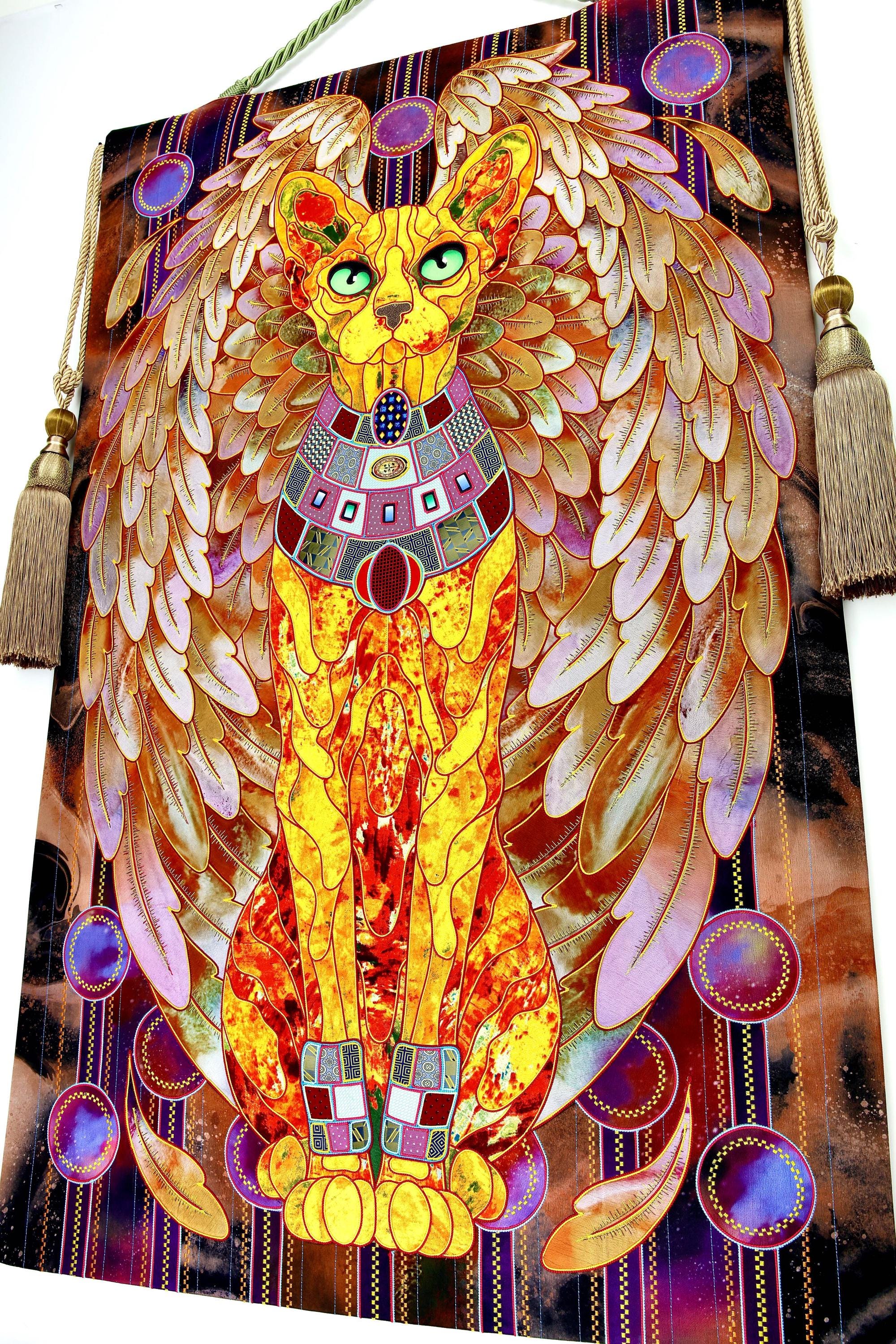
A blank wall in an interior design can be more than just a plain surface. It can be a chance to add texture, dimension, and personality to a space. A wall sculpture has the potential to transform a room in a way that a painting or print cannot. It changes with the light and occupies physical space, providing a physical and visual focal point for the room.
Collectors and designers understand the significance of this difference. The right wall sculpture can serve as a centerpiece in a grand entryway, create a cozy ambiance in a bedroom, or add a unique identity to a hospitality space that guests will remember. But selecting a wall sculpture isn't just about finding a beautiful object. The size, material, depth, lighting, and surrounding architecture all contribute to whether the piece feels like it belongs in the space.
-
Thu, Oct 8, 2026
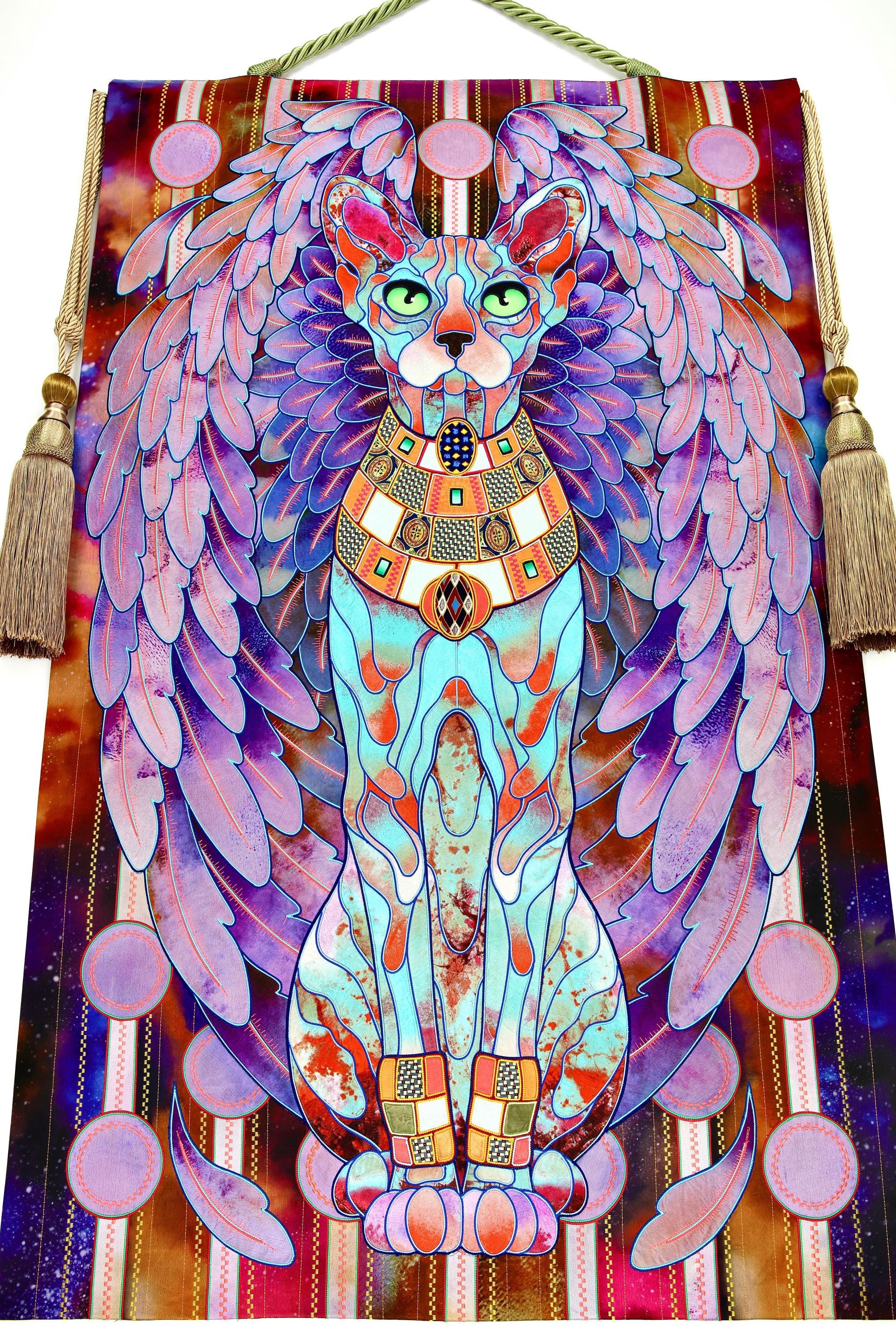
A room can be decorated with flawless stone, exquisite wood, and carefully chosen furniture, yet it can still maintain an atmosphere of anonymity. However, the addition of figurative artwork transforms this. The moment a face, figure, or animal appears in the space, the interior gains emotional depth - it becomes a place of meeting rather than just a collection of objects.
For collectors and interior designers, this is the unique power of figurative art. It does not simply add to the interior. It reflects the personality, atmosphere, and sense of personal story that evolves with changing light and each viewer's perspective.
-
Wed, Oct 7, 2026
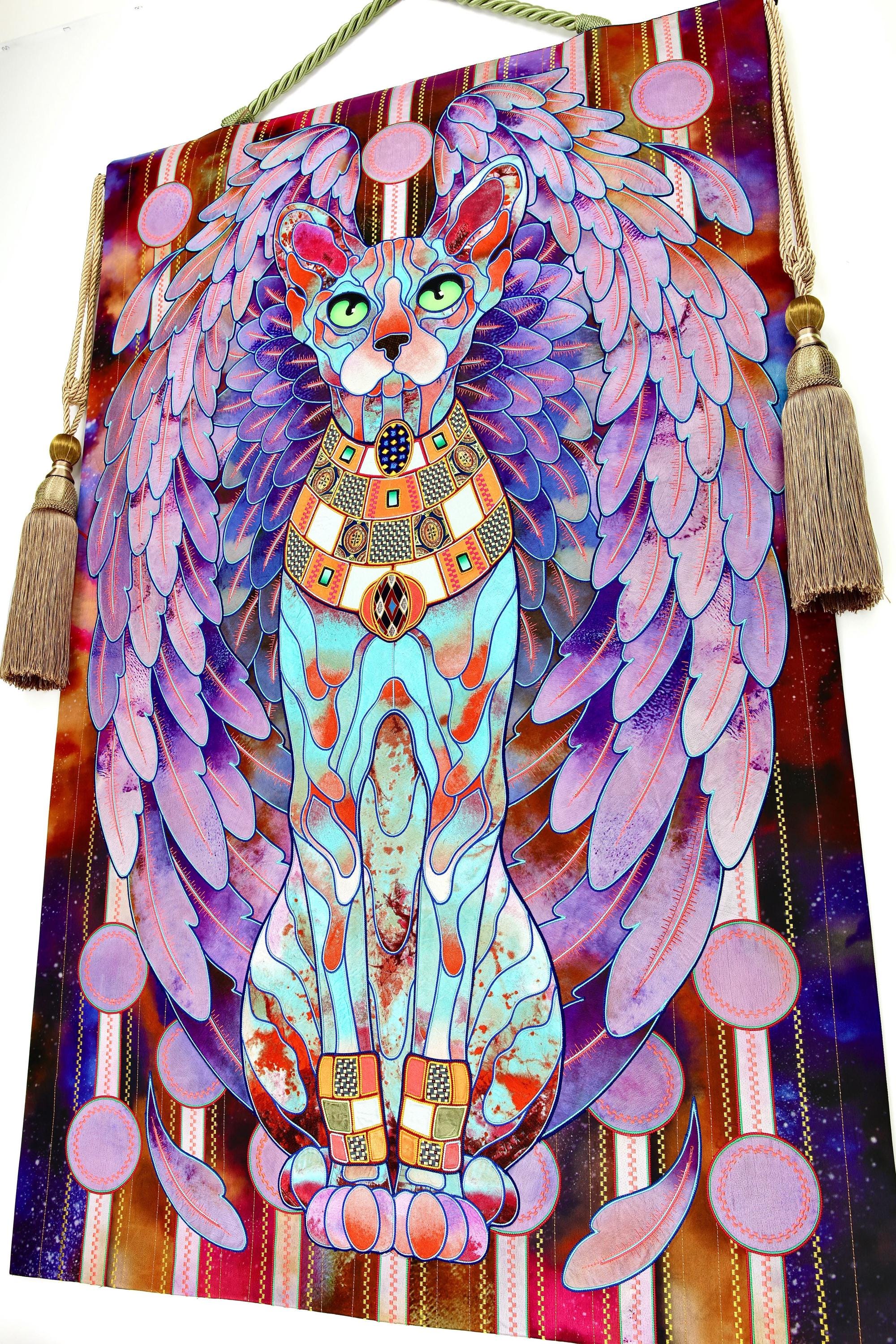
A room can be decorated with rare stones, custom-made millwork, and exquisite furniture, but it can still feel interchangeable. The luxury of a space becomes personal when it contains a piece of art that can alter the emotional atmosphere. This is what distinguishes a luxurious room from one that will remain in your memory.
For connoisseurs and designers, the challenge is not just about filling a wall with objects. It's about introducing something that has material intelligence, artistic originality, and a perspective that stands out among the meticulously crafted details. Textile art, especially on a grand scale, offers a unique solution: it adds depth without being heavy, softness without sentimentality, and visual impact without the flashiness of conventional decor.
-
Tue, Oct 6, 2026
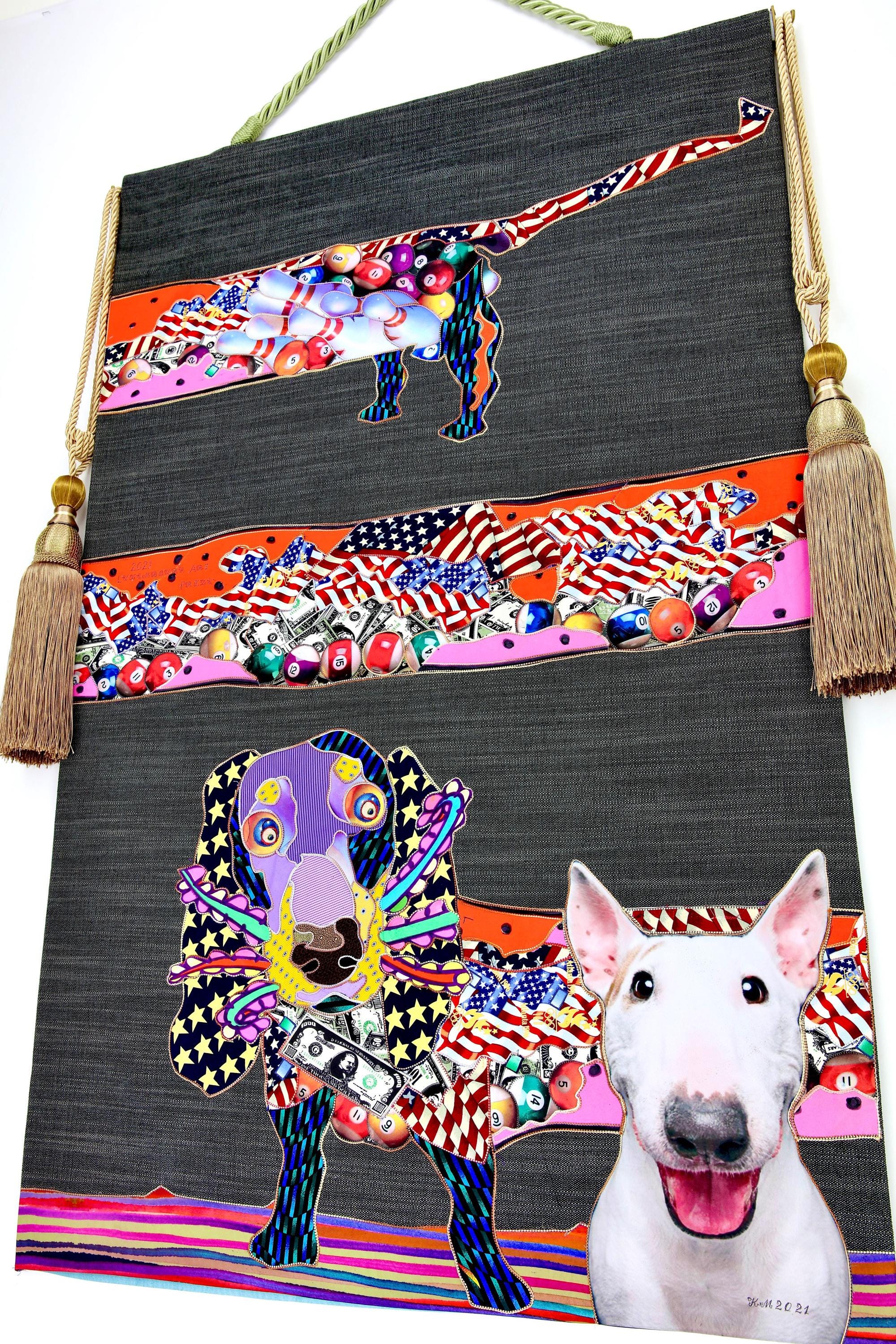
The exploration of textile sculpture by www.malginov.com begins where conventional wall decorations stop: at the intersection of material, form, and the artist's vision. A work of art is more than just a texture on a wall. It transforms the relationship between the space, light, scale, and surface, inviting the viewer to interact with it in a way that a printed image cannot.
For collectors and interior designers, this type of art requires a higher standard than the general term "fiber art". Textile sculpture can be intimate or grand, figurative or abstract, subtle or theatrical. Its value lies in its handmade nature and whether the artist has made the material essential to the image. Whether the work maintains its impact from across the room or up close is also important.
-
Mon, Oct 5, 2026
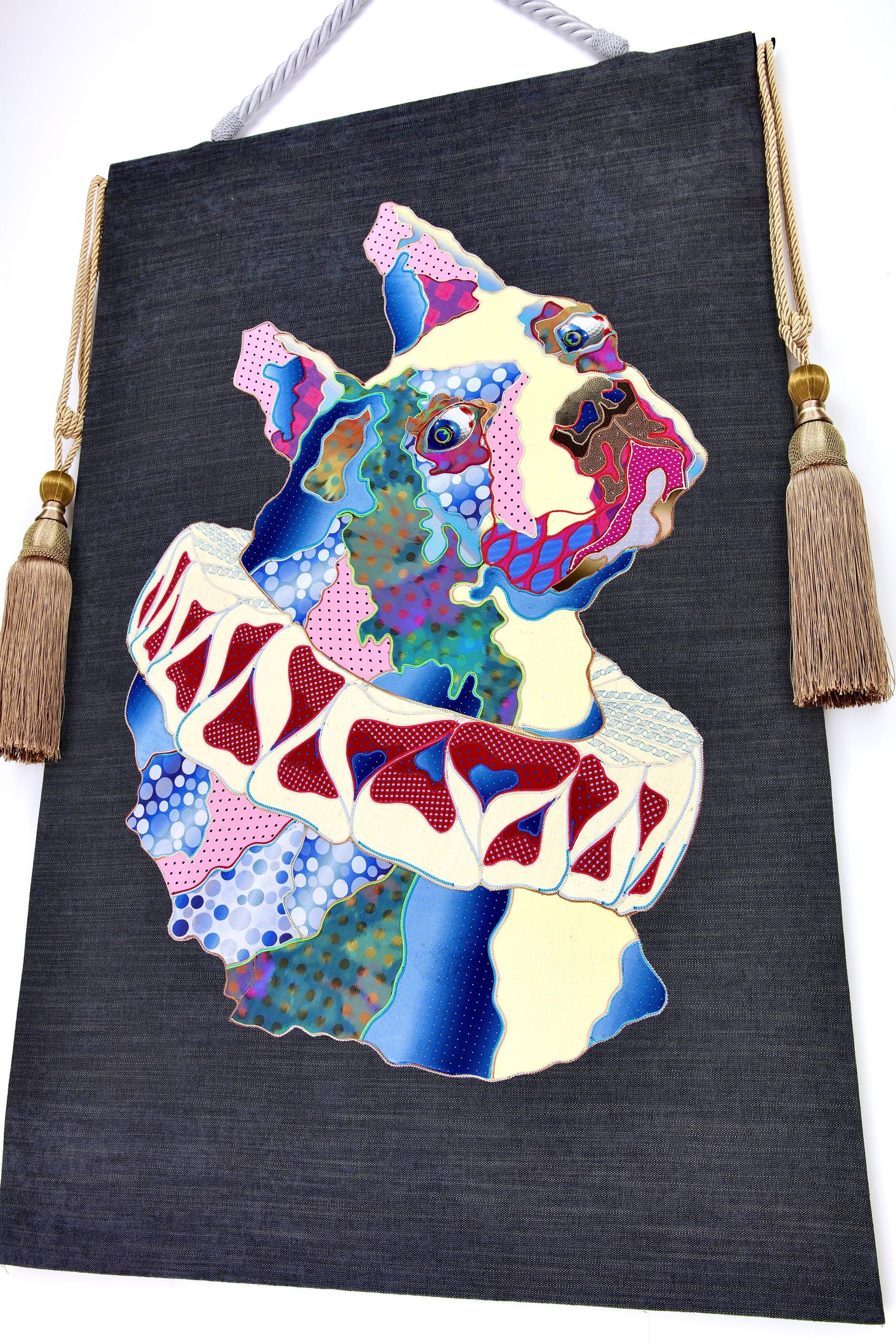
A large silk tapestry is not to be treated as just another poster, no matter how expensive it may be. To ensure safe hanging, it's important to consider both the structure of the tapestry and the surrounding architecture during the installation process. Proper technique allows the piece to look effortless, protects the delicate fibers, preserves its intended shape, and avoids damage to the wall.
Collectors, designers, and homeowners all benefit from the art of hanging. A textile artwork gains authority when it's positioned at the right level, maintains tension, and has sufficient visual space to command a room. Rushing through the installation process, such as using adhesive strips or a rod that's too small, can compromise these effects long before any visible damage occurs to the work itself.
-
Sun, Oct 4, 2026
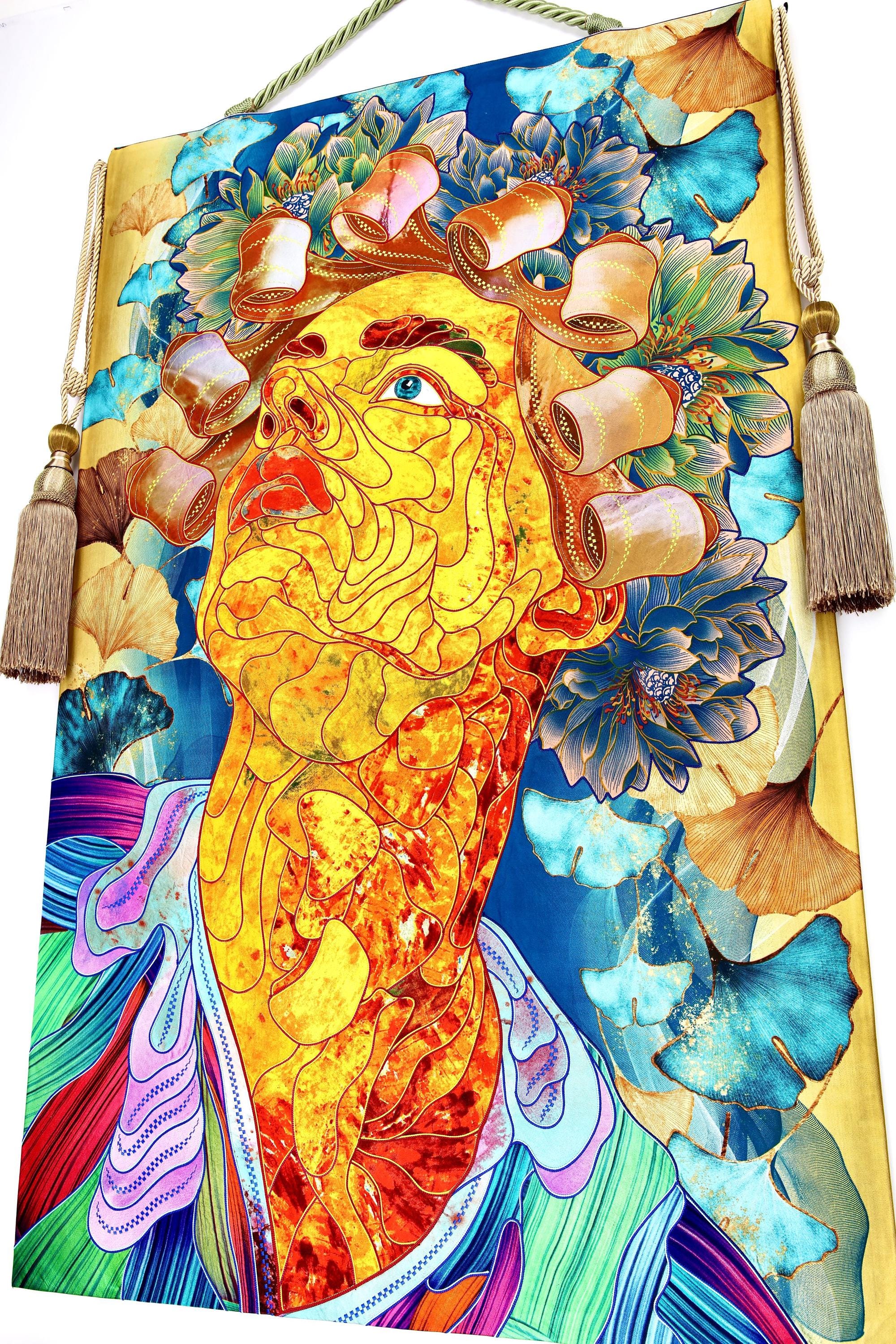
A comprehensive review of silk art on www.malginov.com starts where the product description leaves off. Silk may instantly evoke luxury, but experts and designers know that the material alone does not create value. The question is whether the artwork has a distinct visual language, meticulous craftsmanship, and sufficient presence to captivate a space over time.
For a private home, hotel, or carefully considered design project, silk art provides a materially rich alternative to traditional framed paintings. Its surface interacts with light throughout the day, while embroidery and layered textile construction create relief, shadow, and physical depth. The most powerful works do more than simply decorate a wall. They create an atmosphere and provide a unique perspective in a room.
-
Sat, Oct 3, 2026
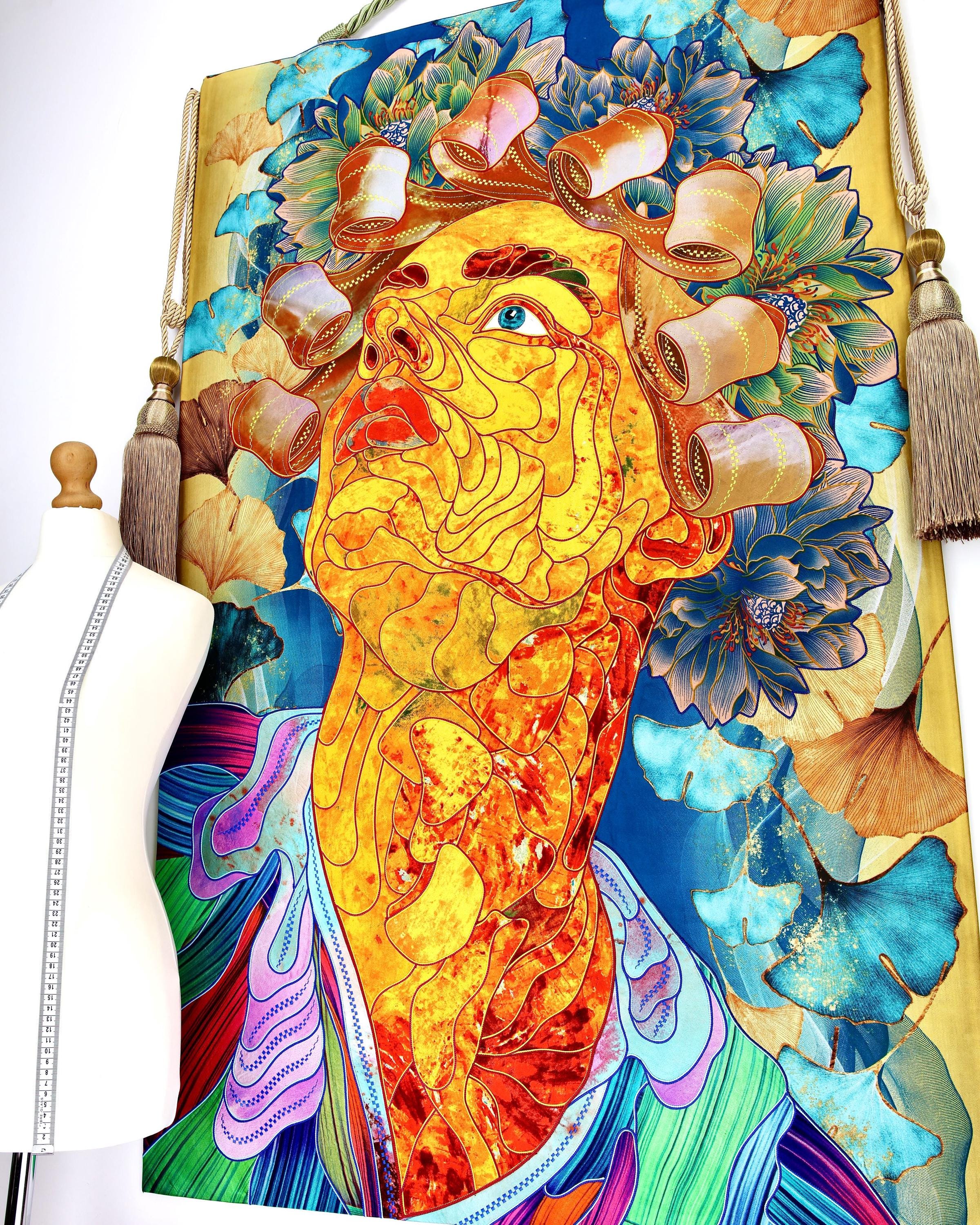
A wall can be perfectly proportioned, meticulously crafted, and adorned with valuable objects, but it can still appear incomplete. Often, what is lacking is not a decorative element, but an object that has a physical presence - something that shifts in light, invites close inspection, and creates a perspective. Silk artwork can do just that. It combines the visual impact of modern art with a tactile richness that traditional framed pieces rarely offer.
For collectors and designers, silk is more than just a surface. It's a medium with its own unique visual language. The sheen of silk can make colors seem to breathe across a room, while embroidery, layers of threads, and intricate weaving introduce depth that changes with every angle. A large-scale silk tapestry or sculptural textile does more than just occupy space on a wall. It transforms the atmosphere and character of the room around it.
-
Fri, Oct 2, 2026
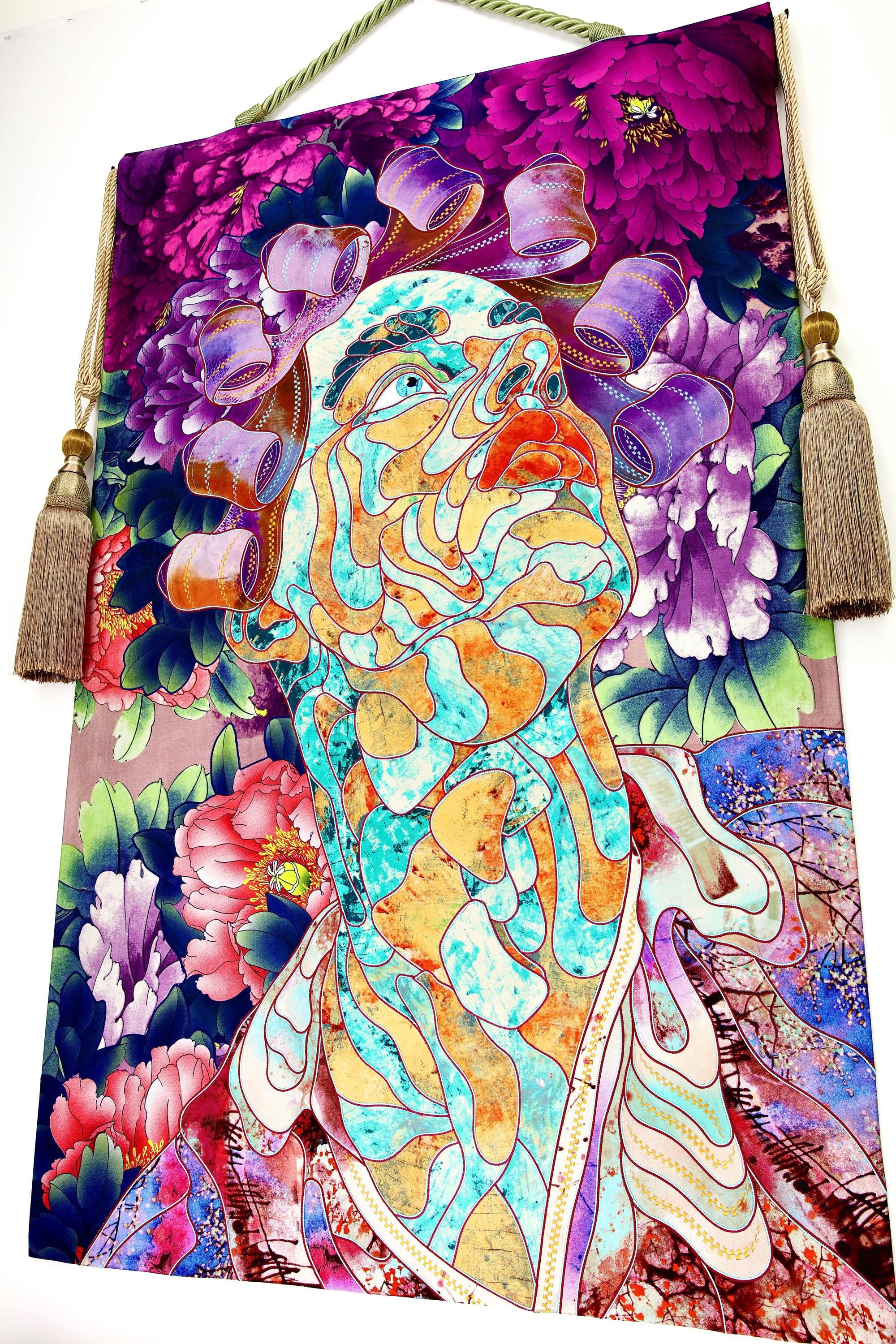
A visitor may not remember the exact chair, the polished marble, or the name of the drink they had, but they will often recall the work of art that greeted them when they arrived, brought the dining room together, or gave the suite its unique character. In the world of hospitality, art is more than just a decorative element in a beautifully designed interior. It often becomes the visual element that transforms a carefully crafted space into an unforgettable experience. For hotels, private clubs, restaurants, wellness retreats, and other establishments that cater to guests, art has a crucial role to play. It needs to captivate without overpowering, stand out in photos, and be even more impressive in person. Most importantly, it needs to with the architecture while retaining its own unique artistic identity.
-
Thu, Oct 1, 2026
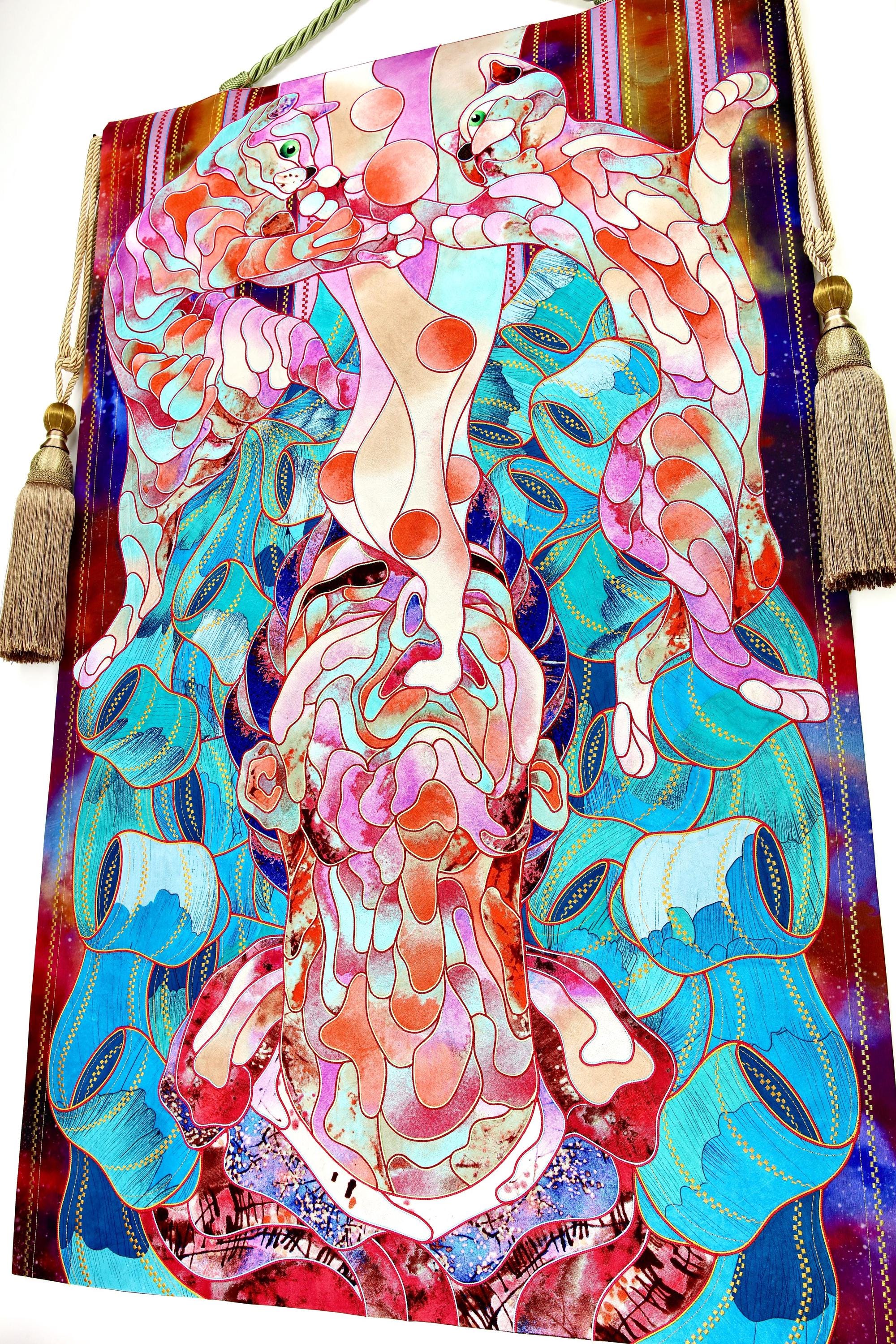
A collector's wall is more than just a space to fill. It is a reflection of one's personal taste, a record of what captures your attention, what you choose to embrace, and what deserves constant attention.
When creating a curated collection on the wall, the goal is not to simply achieve visual abundance or create a gallery-like room. Instead, the focus is on carefully selecting works that have a strong presence and can transform the interior space.
Collectors and designers often choose fewer pieces with more artistic merit. High-quality silk tapestries, embroidered works, or textile sculptures can add depth and atmosphere that a traditional print cannot. These pieces change with the light and invite a more interactive experience with the wall.
-
Wed, Sep 30, 2026
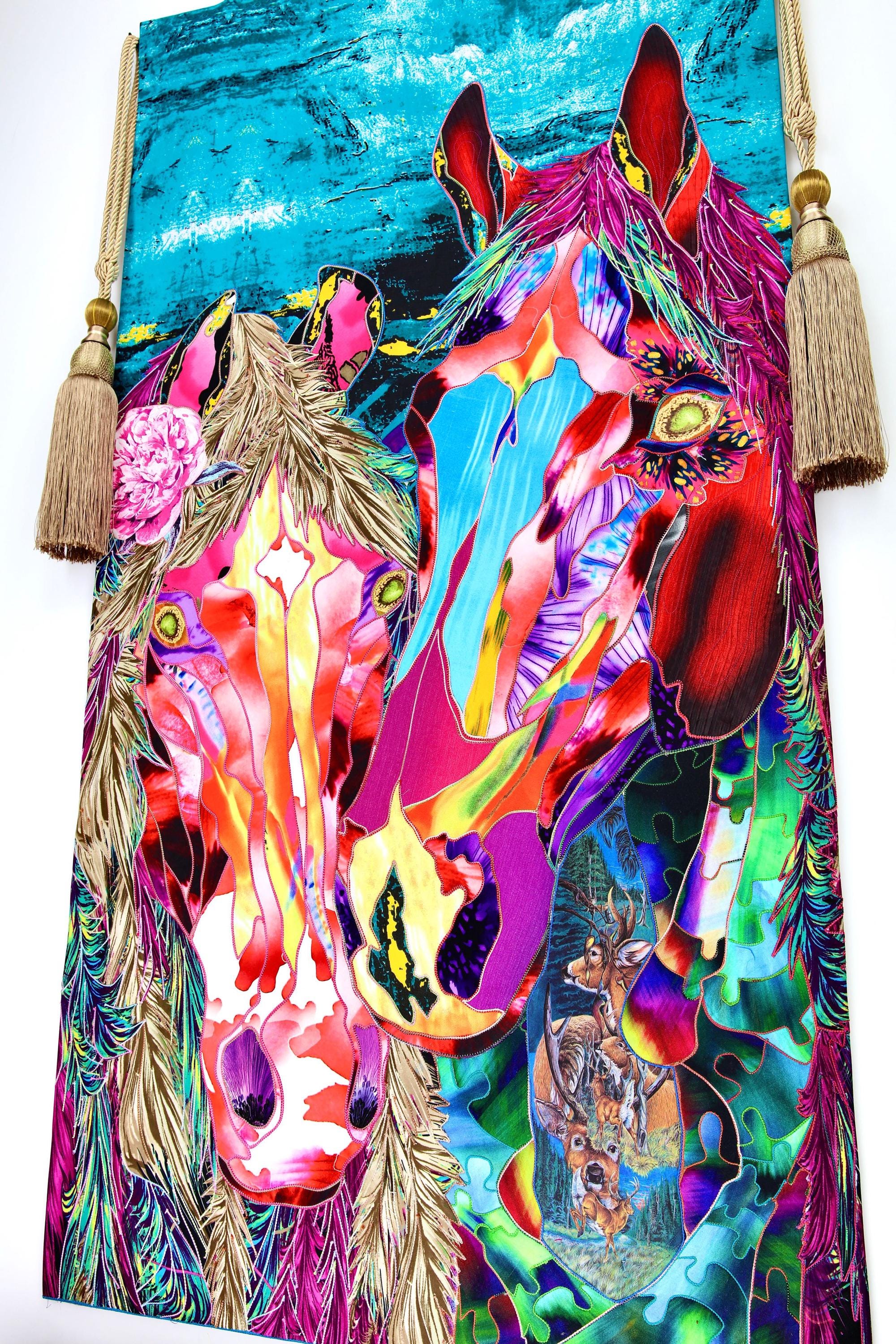
A remarkable work of art, such as the one displayed at www.malginov.com, has the power to captivate an audience from the moment it is revealed. Over time, its significance grows to be almost as significant as its visual appeal.
Art provenance begins with the question: Can the journey of the artwork from the artist to the current owner be clearly documented? For collectors who acquire original works of museum quality, the answer to this question is crucial in building confidence, preparing for future sales, obtaining insurance, and ensuring the long-term integrity of their collection.
Provenance is often seen as an administrative task that is completed once a purchase has been finalized. However, it plays a vital role in preserving the cultural heritage of a work of art. A well-maintained provenance file provides information about the artist's background, the history of ownership, exhibition history, and the care of the work. It offers collectors more than just a receipt - it provides evidence to support the identity and history of the artwork.