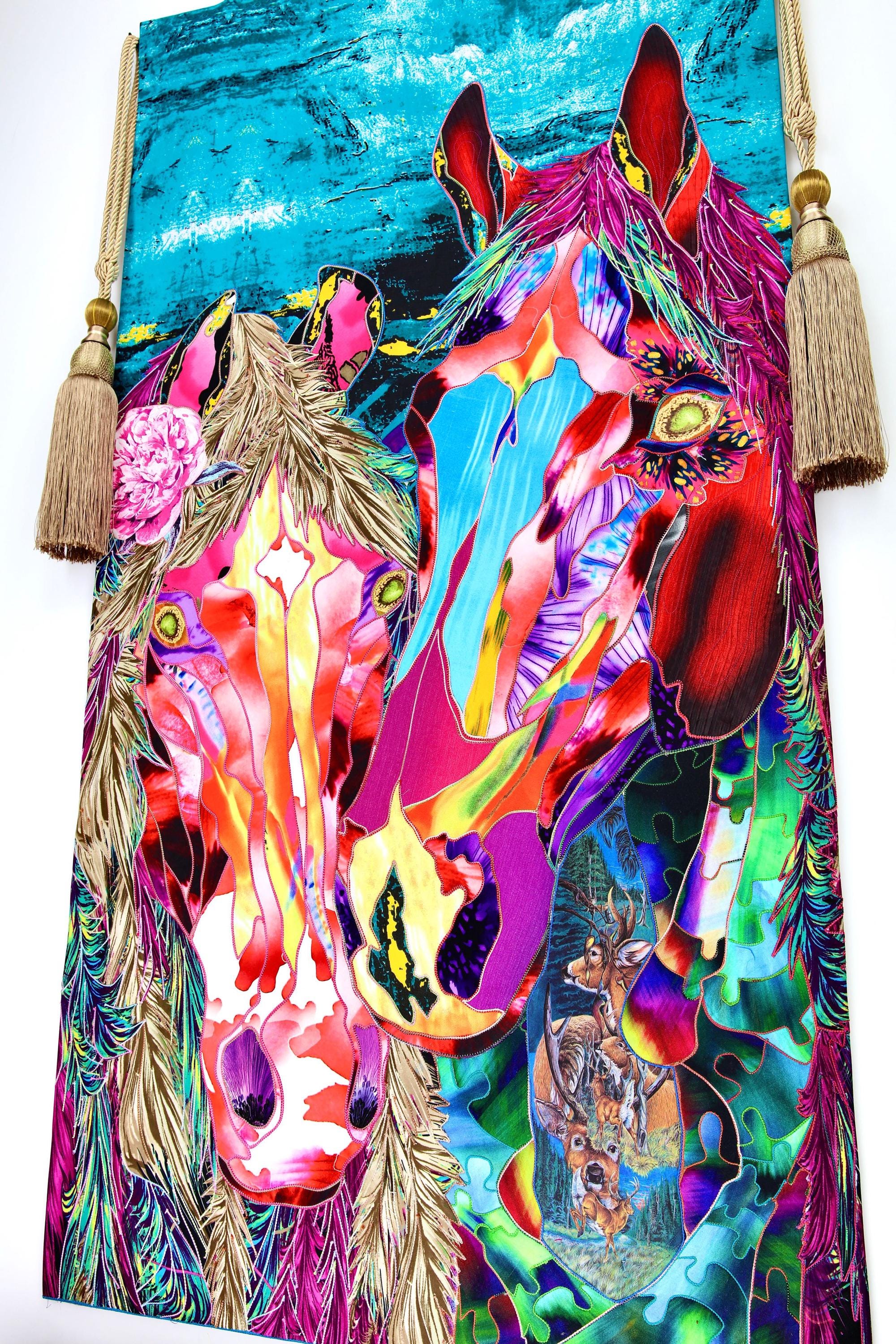
The fundamentals of art provenance for knowledgeable collectors.
The provenance of a work of art is the documented history of ownership. Ideally, it traces the artwork's journey from the artist or original creator, through each sale, inheritance, exhibition, or loan, to the present day. The more complete and transparent the record is, the easier it is to understand the artwork's history and how it came to be in the market.A provenance document can include various types of evidence, such as invoices from the artist, gallery receipts, bills of sale, certificates of authenticity, exhibition catalogues, loan agreements, letters, conservation reports, photos of the artwork in earlier settings, and estate records. Not all artworks will have all of these categories of documents. A newly completed work purchased directly from the artist may have a shorter provenance but can still be significant because its origin is clear and verifiable.A century-old painting with unexplained gaps may require more attention than a contemporary silk tapestry purchased directly from its manufacturer with detailed invoices, signed documents, and clear studio records. While a dramatic paper trail may not be the goal, credible continuity is.For collectors, a documented history can support insurance valuations, make future sales more straightforward, and help successors or heirs understand what they own. It can also reveal valuable information, such as whether the artwork was featured in a notable exhibition or belonged to a renowned collection or was published.Additionally, it helps protect against uncertainty. Undocumented works may be visually appealing, but an unclear ownership history can cause problems when it comes to insurance, consignment, donation, or sale. In the high-end art market, buyers are not simply acquiring an image or object; they are acquiring confidence in it.There is a practical and ethical aspect to provenance research. It can help identify concerns such as theft, illegal export, displacement during wartime, or disputed ownership, which is especially important for antiquities and older works. However, responsible due diligence is also relevant for every category of artwork.Documentation required for a purchase depends on the age, medium, value, and distribution of the artwork. When purchasing a contemporary original work, collectors can expect a basic set of records, including the artist's name, exact title, date or year of creation, medium, and dimensions. For textiles, dimensions should be accurate and specify any mounting elements, framing, or sculptural extensions. Invoices should also include purchase price, sale date, seller's name, and buyer's name.A certificate of authenticity from the artist, their estate, or a reputable representative can be a valuable asset. It should clearly describe the specific work and avoid generic language. While a certificate is not a substitute for other records, its validity depends on the authority of the issuer.It is advisable to keep the certificate with the invoice and not treat it as a standalone guarantee for collectible silk tapestries, embroidered textiles, or textile sculptures. Additionally, retaining photographs taken at the time of delivery can provide documentation of color, surface, embroidery, edges, signature placement, and overall condition. Material-specific care instructions should also be included, particularly for silk, hand stitching, layered construction, and dimensional elements.A certificate of authenticity is a valuable asset when issued by the artist or their estate, as it provides proof of ownership and authenticity of the artwork. The certificate should clearly describe the specific details of the work, avoiding generic language. However, it should not be considered a substitute for other documentation and its validity relies entirely on the credibility of the issuer.When it comes to collectible silk tapestries, embroidered textiles, or textile sculptures, retaining photos taken at the time of delivery is advisable. These photos provide visual documentation of the color, texture, embroidery details, signature placement, and overall condition of the piece. Additionally, material-specific care instructions should be provided in the certificate, particularly if the artwork involves silk, hand stitching, layered construction, or has dimensional elements.By directly obtaining a certificate from the artist or their representative, collectors can ensure the authenticity and value of their purchase. This can be especially important when dealing with rare or valuable pieces.Purchasing directly from an artist provides a clear starting point for determining the origin of the artwork. The first owner receives the piece from the artist with all the necessary information about the title, medium, date, dimensions, and sales history provided from the beginning. This is especially beneficial when the artist has a consistent studio practice and well-documented body of work.While this may seem like a compelling reason to purchase directly from the artist, it is important to note that collectors should not disregard documentation just because the purchase seems personal or immediate. In fact, direct acquisition provides the best opportunity to establish a strong record, as the details are fresh and the artwork is in its original context.A bill for a one-of-a-kind piece of work by Kostyantin Malginov should be kept together with the accompanying documentation, installation instructions, and professional photographs. These materials provide a detailed account of the creation process and the initial transfer of ownership of the handmade textile work. For future collectors, this transparency is a crucial aspect of the work's lasting value.