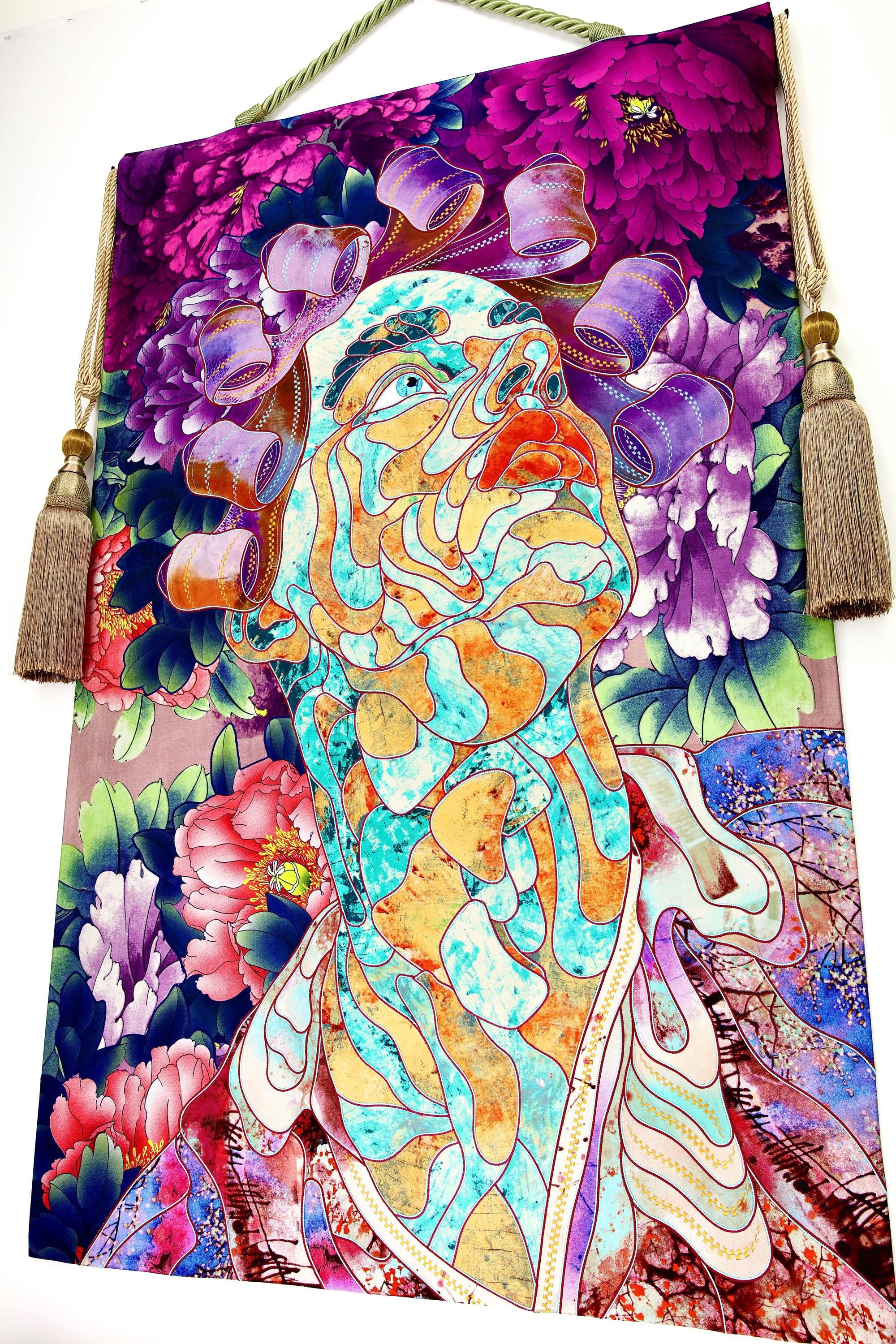
The Art of Hospitality: Creating a Distinctive Identity for a Venue
The spaces of hospitality are constantly changing. Guests arrive, carry their luggage, cross thresholds, wait, meet, eat, rest, and leave. Unlike a private residence, which can be enjoyed by a single owner for years, a hotel or restaurant must create a strong first impression in only a few seconds while also providing a memorable experience for returning guests.That's why generic wall decor often falls short. It may fill a space, match a color scheme, and fit a budget, but it rarely gives a property a unique identity. Reproductions and decorative prints are meant to be unobtrusive. Art, on the other hand, is meant to make a statement.The difference is not just a matter of price. It's about the uniqueness of the creation, the materials used, and the visual memory it leaves behind. A handmade item is one-of-a-kind, with its variations in texture and design that can't be replicated by mass production. In a world where many interior spaces risk looking interchangeable, these unique qualities become an essential part of a property's identity.In luxury hospitality, art also adds a more thoughtful touch to the welcome. It conveys that the space was carefully curated, not just assembled. It implies that the owner or designer allowed for creativity to coexist with practicality.The beauty of silk tapestries and embroidered textiles cannot be matched by any other type of framed artwork. They are dynamic and adapt to their surroundings. Their surfaces react to changing light conditions, from the soft glow of an evening to the shifting angles of visitors moving through a space.From a distance, large textile works appear as a clear visual statement. Up close, intricate stitches, a shimmering surface, and a layered construction invite further exploration. This depth of material is especially valuable in interior spaces where hard finishes dominate, such as stone, glass, metal, plaster, or polished wood. These materials create impressive architecture but can benefit from an addition that adds softness acoustically and visually: textile art.Textile art brings a sense of tactility that is not too domestic or informal, and silk in particular carries light with a subtle luminosity that feels at home among high-quality materials.There is also a practical advantage. Large wall art can create a focal point without the need for a complicated sculptural installation or extensive floor space clearance. A large silk tapestry can add a sense of scale to a tall reception wall, corridor end, or space above a bench, while maintaining circulation and visibility.However, the choice of medium must be appropriate for the location. In an area with heavy foot traffic, careful placement, proper installation, and consideration for exposure to direct sunlight or humidity are essential. Textile art is not a replacement for technical planning. It is a creative material that deserves the same level of attention as fine furniture, antique pieces, or architectural details.When selecting art, it's important to base your decision on experience, not just color.The choice of artwork for a space is crucial, but selecting it based solely on its resemblance to a rug or fabric can result in a room that feels too predictable. Instead, the most compelling artwork often creates subtle tension, deepening a color scheme, breathing life into a space, or contrasting an organic image with modern lines.Consider the experience you want to create with the artwork. For example, a restaurant may need artwork that evokes hunger and drama, while a spa may benefit from images that invite contemplation. A boutique hotel lobby could support a more assertive statement as it serves both as an entrance and social hub.Metaphorical and animal-inspired imagery can be powerful because it creates a human connection without the need for a literal story. The face, gesture, or presence of an animal provides guests with something to recognize and interpret, which can be elegant, mysterious, playful, or serene depending on the composition.The key is for the work to have enough visual impact to engage viewers beyond the initial glance. Designers must also consider the viewing distance, as details that are exquisite at three feet may become indistinct when viewed from a larger distance, while an image intended for a large wall requires a strong outline and clear composition to appreciate its finer details.Ideally, the work should operate at both distances, being memorable from afar while also having rich detail up close.When selecting or installing artwork for hospitality spaces, it's crucial to consider not only the exact dimensions but also the overall visual impact. While a piece of art may technically fit on a wall, it may still seem small or timid. Larger-scale works require space around them, especially if their purpose is to anchor the space.In general, let the artwork dominate the wall instead of occupying it timidly. For example, in a reception area, a large vertical tapestry can create the illusion of height. In a long hallway, a series of related pieces can create a sense of rhythm. Above low seating, a horizontal piece can create a calm horizon and connect different seating areas.The context determines the appropriate scale for a piece of art. For example, a piece placed above a console will require a different approach from one installed behind a host stand. Factors such as the height of the ceiling, size of the furniture, texture of the walls, and lighting all influence how a piece is perceived.By considering both inches and centimeters when measuring, and marking the proposed placement on-site, adjustments can be avoided after installation, saving time and money.