A Thorough Examination of Textile Art for Discerning Art Collectors
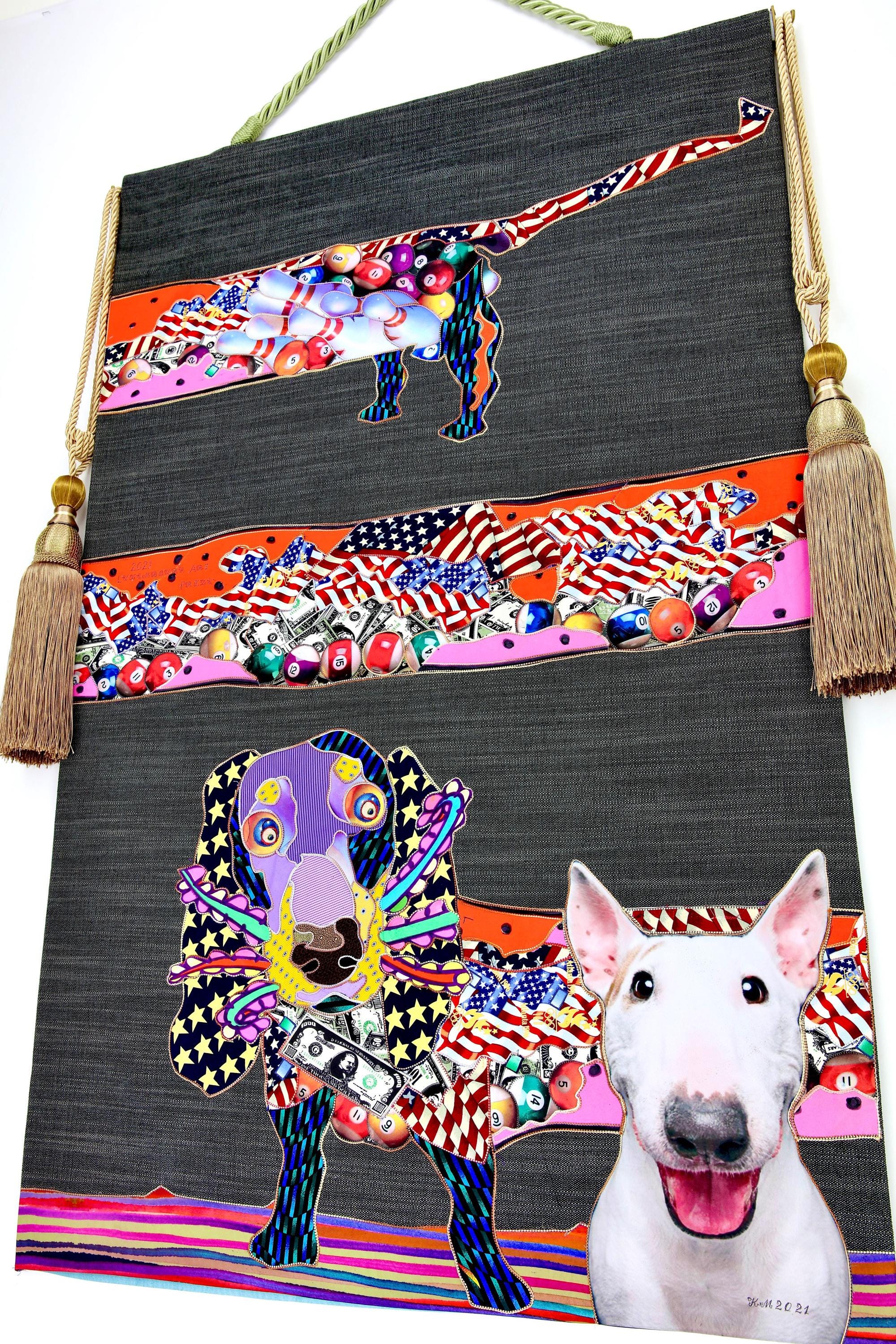
The best textile sculptures are more than just paintings transformed into fabric. They have a unique visual language that is deeply rooted in the materials used - thread, silk, stitching, relief, tension, and edges. The fibers interact with light in interesting ways, creating depth and shadows in the embroidered areas. These choices of materials are not just embellishments, they are an integral part of the composition.When evaluating a textile sculpture for a prominent interior space, it is important to understand this distinction. A flat painting may offer color and subject matter, but a textile sculpture adds physicality to a space. Silk can look luminous in natural light and more subdued in evening light. The intricate embroidery creates the illusion that an animal, face, or landscape is emerging from the wall, giving the work a dynamic and three-dimensional character.The artist's approach to silk is just as important as the material itself. The way they use silk to create contrast, evoke emotions, and enhance the overall aesthetic is essential.A textile work of art that is museum-quality often demands to be viewed from various angles. From a distance, it should have a clear silhouette and well-composed appearance. When looked at more closely, its construction should reveal careful attention to detail, such as precise stitching, intentional layering, well-defined edges, and a surface that reflects the artist's skill without appearing accidental.Craftsmanship doesn't automatically imply sophistication. In an excellent work, technical complexity should enhance visual appeal. A complicated process that doesn't impress the viewer is just a process. On the other hand, a simple composition can be incredibly powerful if the artist knows how to use the interplay of fibers, colors, and textures to captivate the audience.The scale of a textile sculpture is an important consideration when selecting a piece for a particular space. The surface of a textile has a tangible depth, making it sensitive to proportion. A work that may appear commanding in a studio can appear compressed above a larger console, while a smaller piece with intricate details can be more captivating in a smaller space such as a private library or dressing room.When purchasing a textile sculpture, it is essential to focus on the available wall space rather than the square footage of the room. Measuring the height and width of the intended location is crucial, taking into account any architectural features that may impact the final placement. Additionally, consider the viewing distance - large-scale figurative silk tapestries require more space to allow for their image to be fully visible, while smaller sculptures offer a more intimate experience.Light deserves equal consideration when it comes to textiles. Direct, intense sunlight can be damaging to delicate fabrics, such as silk, which should be protected from prolonged exposure to UV rays. However, textiles should not be entirely hidden from light. Instead, soft natural lighting and carefully positioned gallery lights can reveal the beauty of textiles, showcasing their changing sheen, intricate stitching, and subtle variations in color.In hospitality and design-oriented residential projects, this flexibility can be an asset. A textile sculpture can bring life to a room throughout the day. In the morning, it might appear crisp and bright; in the evening, it can create a more intimate and atmospheric atmosphere. The lighting should emphasize this transformation rather than flatten it with generic overhead lighting.At the heart of art is the artist's vision.The market is flooded with decorative textiles that mimic the style of contemporary art, featuring fringed surfaces, tufted forms, abstract designs, and exaggerated textures. While some of these pieces may be quite attractive, only a select few possess a sustained visual identity that makes them truly valuable for collectors.What sets these pieces apart is the unique style of the artist. A collector should be able to recognize the distinctive choices of the artist, such as their subjects, color palette, use of line, approach to storytelling, and material handling. The cohesiveness of a body of work provides a single piece with a deeper context, demonstrating that it is part of an established artistic practice rather than a one-off design following a trend.This is particularly important when choosing a focal point for a unique interior. Trends can refresh a space, but a one-of-a-kind creation can ground it. It has a distinct perspective. It provides guests with something to appreciate beyond the color scheme. In the most compelling examples, an animal, human figure, or symbolic motif becomes more than just a subject. It becomes a presence with emotional and visual significance.Konstantin Malginov's works on silk exemplify this difference through their emphasis on figurative representation, tactile texture, and the careful balance between contemporary art and decorative scale. The silk is not merely a backdrop. It plays an integral role in how the work creates lightness, depth, and personality.