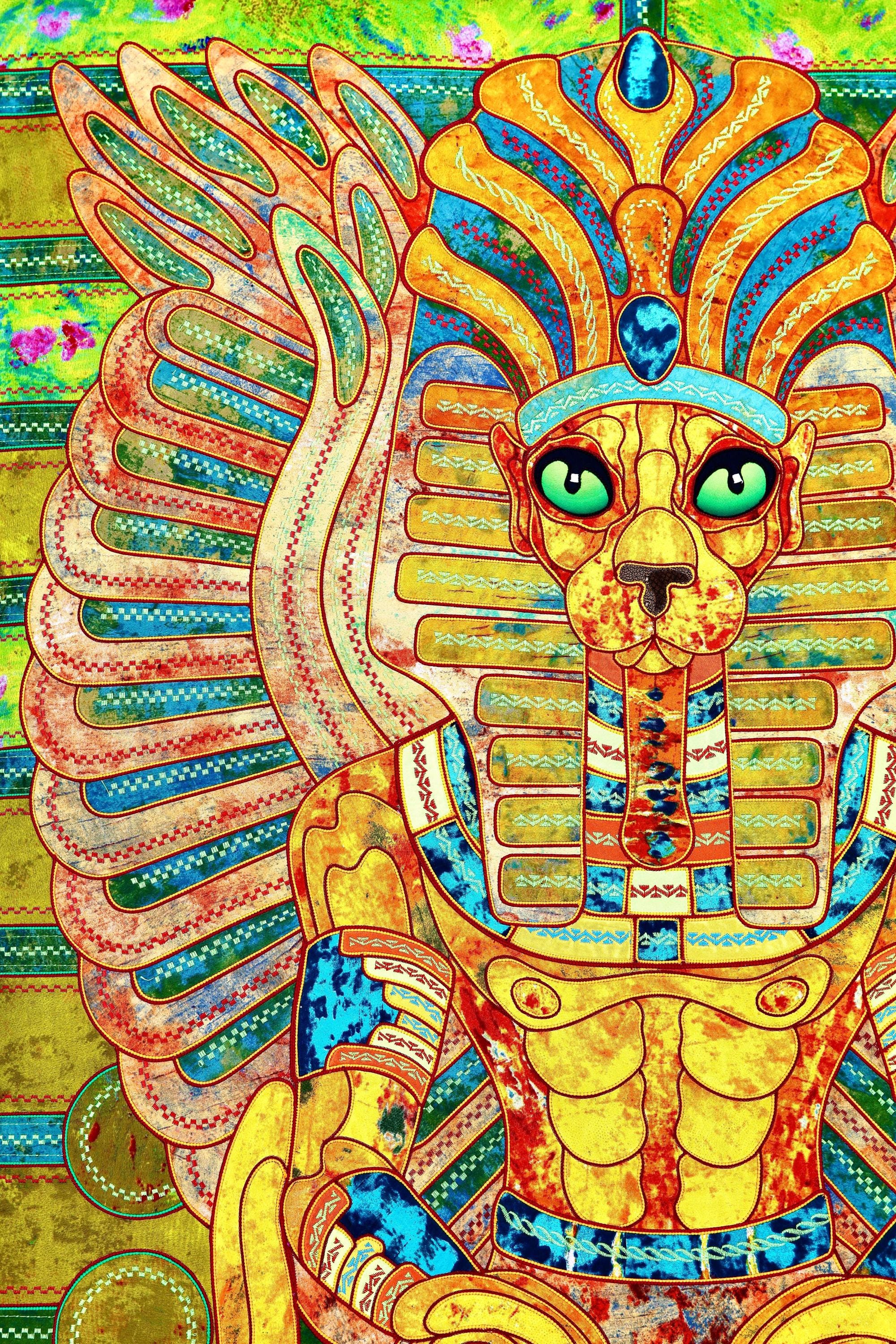
There is no definitive list of artists who can answer this question, as each collector's preferences and needs are unique. However, some general characteristics of the best silk tapestry artists include: they make the silk feel integral to the work, they establish a distinctive point of view, and they create pieces that stand out in terms of their scale and design.When choosing a silk tapestry artist, it's important to look for work that is not generic and can't be mistaken for a pattern transferred onto thread. The artist's style should be unique and recognizable, with a visual language that is developed through composition, subject matter, silhouette, color, and the behavior of the threads they choose. The subject matter can be anything from human figures to animals to abstract constructions, but it should always exude the confidence and vision of the artist.This is particularly significant in a market where printed textiles, digitally replicated patterns, and anonymous decorative panels are abundant. These objects may serve a purpose, but they cater to different needs. A collectible artwork is a testimony to choice. Its surface is diverse. Its imagery is deliberate. Its character cannot be reduced to a trend report or color palette.Silk is a challenging material to work with. It interacts with light in a way that wool, cotton, linen, and synthetic fibers do not, often changing depth as the viewer moves around a room. A skilled artist embraces this behavior instead of trying to suppress it. The result is a surface that may softly glow in daylight, become more dramatic under evening light, or reveal unexpected tonal shifts when viewed up close.The mastery of material is evident in the way density and texture are used. Delicate silk threads create intricate details with remarkable precision, but excessive uniformity can flatten an image. The most successful works strike a balance between refinement and physical reality. Areas of concentrated stitching contrast with open spaces, while subtle variations in thread direction give figures, feathers, and organic forms a sense of movement.The process of creating a work is important, not because it overshadows artistic expression, but because it informs the permanence and value of the piece. Was it hand-embroidered, woven, appliquéd, layered, or created using multiple textile techniques? The choice of silk for its luminosity, delicacy, strength, or cultural significance suggests a serious studio practice, rather than a decorative effect.The term "tapestry" itself deserves some attention. Historically, it referred to a woven image created on a loom, but in contemporary times, it has come to be used more broadly to describe large-scale textile artworks, including embroidered and mixed-media silk pieces.It is important for artists and galleries to provide accurate information about their work. This includes clearly stating the medium, construction, and dimensions of the piece, so that buyers can fully understand what they are purchasing. The essence of art lies in the vision of the artist, and exceptional craftsmanship is often apparent. However, it is the depth of this artistic vision that truly captivates, and the most powerful silk tapestries go beyond mere technical prowess by employing techniques to convey atmosphere, emotion, and imagery.Reflect on the difference between a meticulously drawn animal and one that appears to have an inner life. In the latter, the size, posture, color, empty space, and fabric texture have been carefully arranged to create a sense of presence rather than a simple illustration. The viewer feels the story without being given a literal narrative. This is a more lasting proposition for collectors seeking art rather than mere ornamentation.Textile figurative art is especially challenging because it needs to avoid being overly sentimental or just photographic. The artist needs enough control to make the subject seem convincing while maintaining abstraction, rhythm, and material surprise. The direction of the threads can fragment a face, and the body can emerge from a luminous field instead of being positioned against a traditional background. These choices transform familiar subjects into unique visual statements.When evaluating an artist's body of work, it is essential to look beyond a single impressive image. A cohesive body of work shows whether the artist has been evolving their ideas over time. The repetition of forms, changes in color schemes, and related emotional undertones can indicate a maturing artistic process. Repetition is not a problem if it represents a continuous exploration. It only becomes an issue when each piece feels interchangeable.