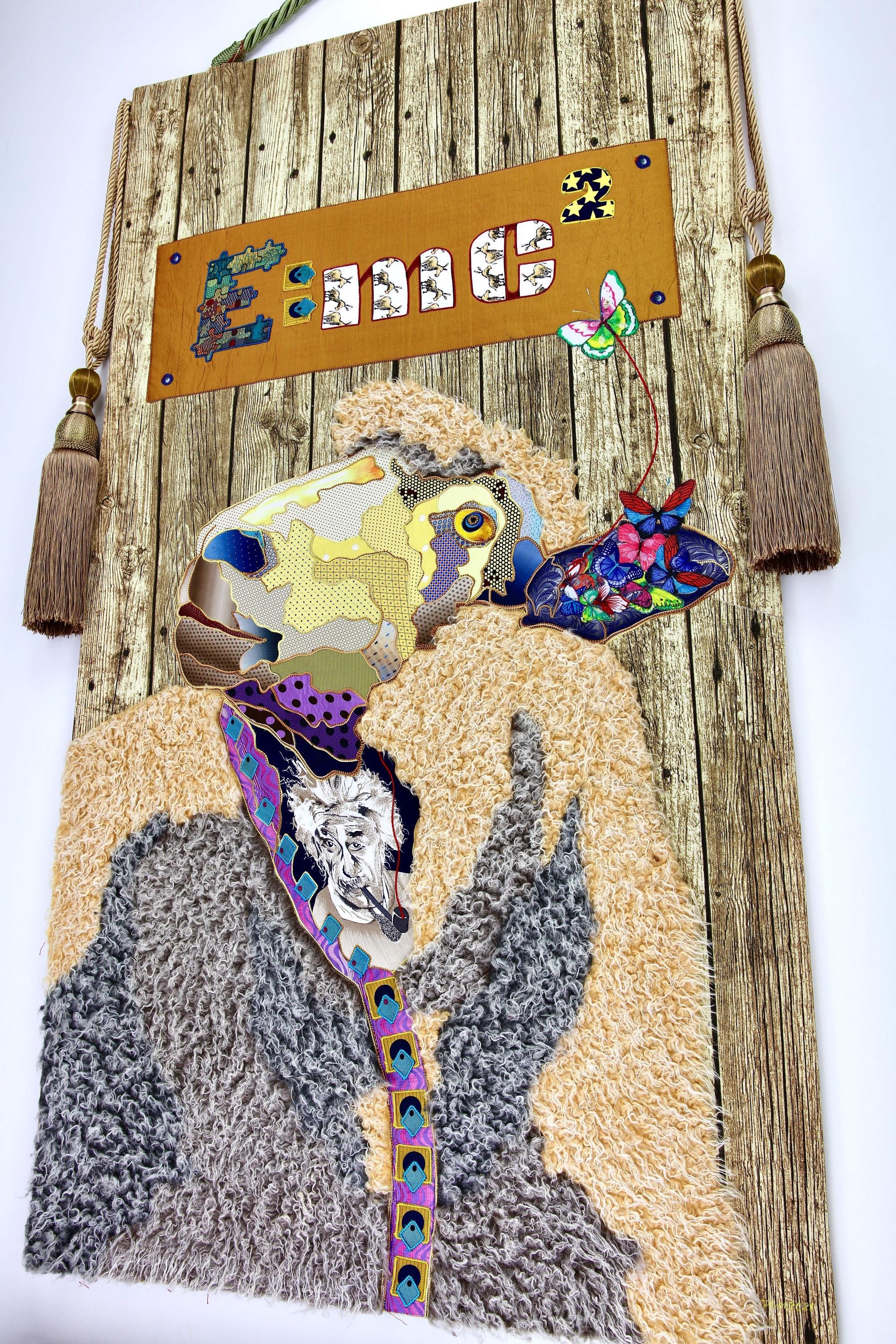
Start with the wall, not the void. A textile sculpture can be most effective when it has a dedicated space of its own. A large piece can anchor a living room, entrance hall, staircase, or bedroom suite with the same impact as a large canvas. However, it requires clear space around it to fully appreciate its beauty. Avoid treating it as a standalone element in a cluttered arrangement with small frames, mirrors, and other decorative objects.When choosing a textile sculpture, consider the dimensions of the wall. As a general rule, allow the artwork to occupy approximately two-thirds to three-quarters of the available wall width. However, this is not a hard and fast rule. Highly detailed figurative textiles may feel powerful even at a smaller scale, while large compositions need more space to fully appreciate their complexity. The ceiling height, furniture placement, and viewing distance also play a significant role in determining the optimal size and placement of a textile sculpture.Above a sofa, table, or bed, create a deliberate relationship with the fabric. The fabric should be narrower than the furniture below it, so the arrangement feels balanced rather than cramped. If the piece is hung too high, it loses its connection to the room.In most domestic settings, place the center of the fabric near eye level to create a natural encounter. Adjust slightly for a taller piece or lower seating to balance the installation.For hospitality interiors, special attention is needed for corridors and reception areas. Guests experience these spaces as they move, often from different angles. Choose a location where the texture and tone of the fabric can be seen from a distance. Ensure that closer viewing reveals the details of the silk, stitches, and texture.Let the display textile breathe and feel free.The absence of ornaments is not a negative aspect, but rather an integral part of the presentation. In a museum setting, a high-quality textile piece benefits from a clean and uncluttered background. This allows the viewer to fully appreciate the artwork and its materials, especially when the embroidery is raised in relief or the composition has a sculptural edge.Choosing a subdued wall color can help enhance the artwork without distracting from it. Warm whites, soft grays, charcoal, deep mineral blues, and muted earth tones can create a sophisticated backdrop for silk, depending on the desired contrast. A light-colored textile can stand out against a darker background, while a dark composition can gain luminosity against neutral walls.It's important to remember that the artwork should be the focus of attention, not the furniture or other elements in the room.The most ideal location for a piece of artwork often seems like the only option, as the initial impression of the room is already formed. Standing at the main entrance, one can observe how the artwork interacts with the windows, lighting, and architectural elements. A textile sculpture placed at the end of a hallway can create a memorable experience, but when positioned in front of a window, it might compete with the light or disappear in reflection.The subject matter of the artwork also plays a role. A powerful, animal-centered or figurative piece can dominate a wide view in an open space, while a more intricate, detailed textile may be better suited for a seating area where visitors can appreciate the craftsmanship up close.