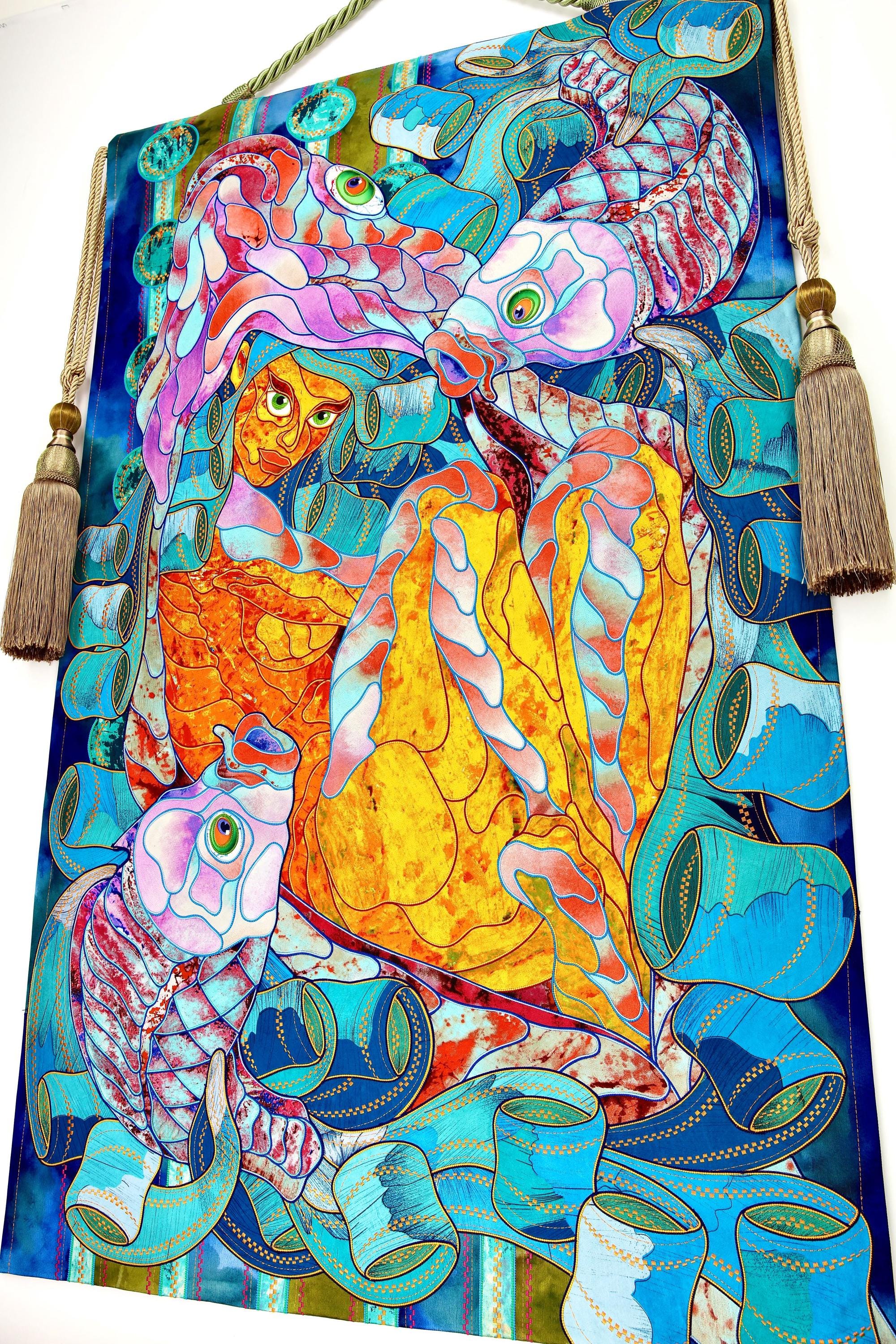
Begin with the wall that commands attention.Every room has a focal point, a wall that stands out from the rest. It could be the first thing you see upon entering, the backdrop behind a dining table, or the wall opposite the bed. This is the place where a striking piece of artwork should be placed.When selecting the right wall, it's not just about choosing the largest surface. The sightlines are more important. Stand at the entrance and sit where you would spend most of your time in the room. Notice where your eyes naturally land and where the architecture draws your attention. A significant work should stand out without competing with other elements like a TV, a busy bookshelf, or a series of doors and windows.In a living room, the wall opposite the main seating area often provides the ideal location for art. In a dining room, artwork can create a sense of grandeur above a console or along the longest wall. In a bedroom, the piece behind the bed can be striking, but only if there is enough space above the headboard for it to be visible. If the room's architecture is already imposing, such as with dramatic stone features, intricate millwork, or a breathtaking view, a more subtle placement may be more appropriate.The size of the artwork is essential for its impact. A beautiful piece of art can still appear insignificant if it is too small for its surroundings. The most common mistake in art placement is selecting a piece that is too small for the space around it, making the room appear to be an afterthought rather than the focal point.To begin, consider placing the artwork so that it occupies approximately two-thirds to three-quarters of the available space on the furniture below. For instance, if you have a 96-inch sofa, a piece of art that is about 64 to 72 inches wide would typically look appropriate. However, this is just a general guideline, and there are exceptions. A tall and narrow tapestry can command attention through its verticality, while a large artwork with an irregular shape can alter the scale of the space through texture and depth.The exact dimensions of the artwork are also crucial. Before purchasing a piece, mark its intended width and height on the wall using low-tack painter's tape. Then, view the artwork from every major angle to see how it will appear in the room. This simple exercise will help you determine whether the piece has enough impact, whether it needs more space around it, or whether you should reposition the furniture to allow the artwork to breathe.For those who collect or create large-scale textile art, it is crucial to have both inch and centimeter measurements when working with international specifications, blueprints, and installation plans. The physical depth of a piece is also important, as silk, embroidery, and sculptural textile elements create shadows that a flat image cannot, altering the appearance of a wall throughout the day.To make a statement with your piece, it is best to leave some negative space around it. Avoid crowding it with smaller framed works, tall lamps, or decorative objects that disrupt its perimeter. Negative space is not empty — it is the visual margin that allows the craftsmanship, composition, and materials of the work to shine.This does not imply that every surface in the room must be bare. Instead, a low table, an artistic chair, or a pair of discreet wall lights can create an intriguing composition. The key is to ask yourself: when entering the room, what does the eye notice first? If there is something that is competing for your attention, consider removing or relocating it.The reason why textile art can transform a room is due to its distinctive characteristics. Paintings are often chosen based on their color or subject matter. However, museum-quality silk tapestries have a more architectural presence. Their appearance is shaped by the stitching, the shine, the layers of fibers, and the subtle movement of light through the silk. Up close, they reveal the artist's handiwork. From a distance, they create a unified visual statement that captures the viewer's attention.The nature of this material makes it particularly effective in interior design when used with hard surfaces. Stone floors, plaster walls, glass, lacquer, and metal are all elegant, but they can create a cool atmosphere both visually and acoustically. A silk artwork crafted by hand adds a touch of softness without being casual. It conveys a sense of human effort and material depth, while maintaining the precision expected in a sophisticated interior.However, textile art should be displayed with care. Direct sunlight can gradually damage delicate materials, while intense glare can eliminate the subtlety of silk. Walls with controlled natural light or carefully planned artificial lighting will preserve both the artwork and its changing appearance. In rooms with strong sunlight, window treatments and strategic placement are essential for the responsible display of the collection.When selecting colors for a textile item, prioritize the evocation of emotions over the pursuit of harmony. Colors can induce various feelings and moods, so it is crucial to choose hues that align with the desired ambiance. For instance, warm tones like red and orange can foster a welcoming and inviting atmosphere, while cool shades like blue and green can create a soothing and refreshing environment.A space does not require a uniform color palette to appear unified. A literal replication often results in a predictable outcome, such as a blue work with blue cushions and blue accessories. Instead, a more sophisticated approach involves identifying the emotional essence of the piece.For instance, a figurative silk tapestry with deep crimson, dark midnight hues, and gleaming gold might require deep walnut furniture, softened bronze accents, and upholstery with a chalky or mineral feel. A piece centered on an animal form could add drama to a reserved ivory room, allowing the artwork to stand out with strong contrast. The surrounding colors should complement the intensity of the work, rather than replicate it.When selecting paint or upholstery colors, consider the undertones of your walls. Warm white walls can make golden silk and ochre-colored threads appear more radiant, while cooler shades can enhance indigo, charcoal, and silver-gray accents. It's advisable to try out different colors, especially if the artwork will be displayed in both natural and artificial light. The same color scheme can appear intimate in the evening and commanding during the day.