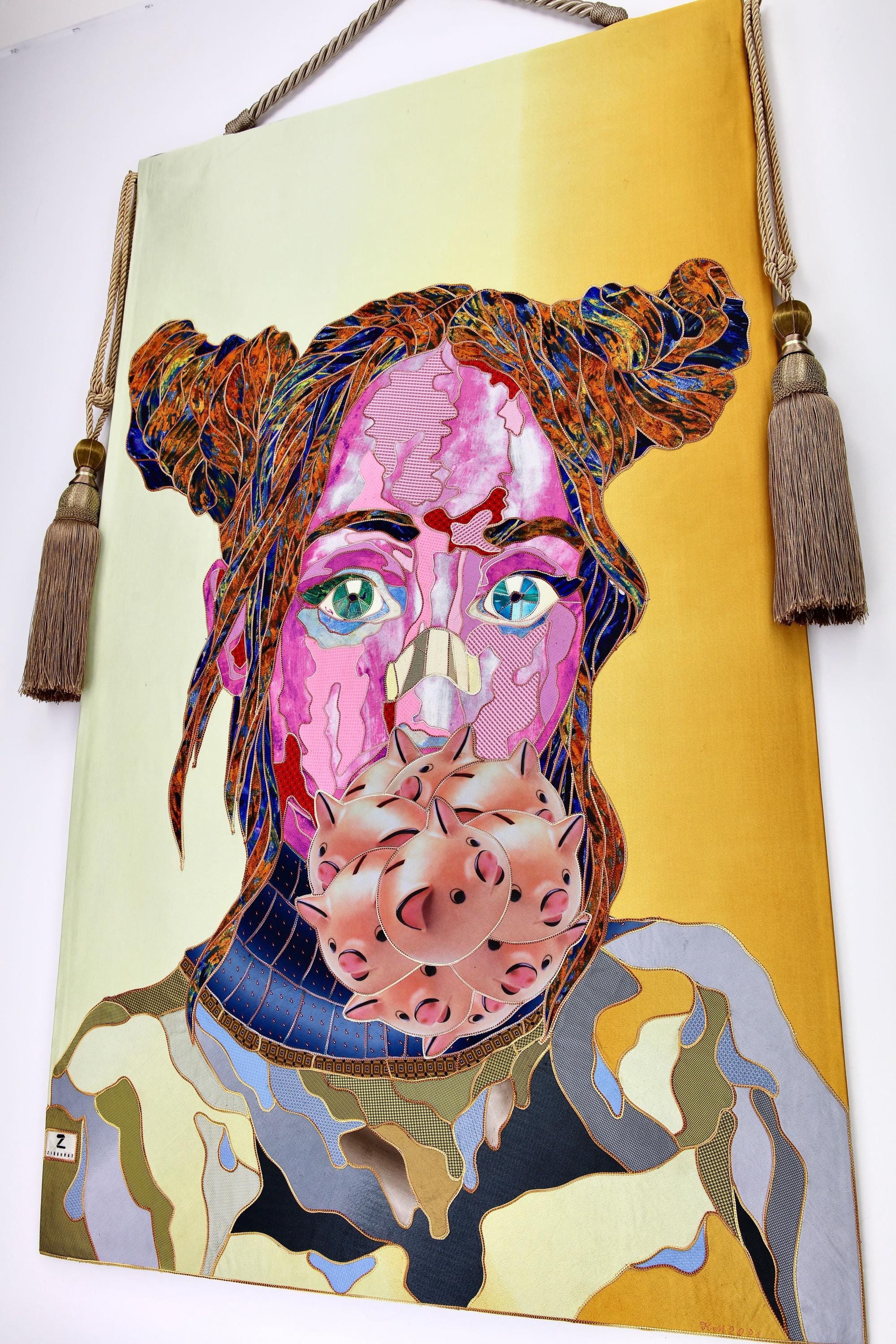
Provenance is the history of ownership of a work of art. It starts with the artist or studio, and continues through each sale, collection, exhibition, consignment, or transfer. This history includes invoices, certificates of authenticity, gallery labels, exhibition catalogs, correspondence, photographs, condition reports, and insurance schedules.A certificate of authenticity is an important part of provenance, especially for handmade contemporary works. However, it is only one piece of the puzzle. The certificate states what the work is and who created it. Provenance, on the other hand, shows where the work has been and how it was passed from owner to owner. Together, these pieces of information create a more complete and convincing story than either could provide on its own.This distinction is particularly advantageous for collectors who purchase contemporary art directly from the artist. The initial ownership chain is straightforward: the artist creates the artwork, assigns it a unique identifier, and transfers it directly to the collector. This simplicity is a significant benefit, provided the transaction is carefully documented from the beginning.Provenance plays a crucial role in the value of an artwork, extending beyond the resale market. It is often associated with auction results, but its significance begins much earlier. When an artwork becomes part of a private collection, a hotel or other hospitality setting, or a design project, documentation forms the basis for insurance, financing, conservation, and estate planning.For a textile piece, its history of creation also preserves the essence of craftsmanship. A museum-quality tapestry made from silk is not comparable to a decorative fabric or a reproduction. Its materials, techniques, dimensions, date, title, and attribution to the artist should be preserved over time.As interior design and collections evolve, these details help prevent the artwork from losing its artistic identity. The value of a work cannot be solely determined by paperwork. Critical reception, rarity, condition, collector demand, and the artist's career all contribute to the market value. However, undocumented works require future buyers to accept some uncertainty. Well-documented works allow buyers to focus on the quality of the object, the power of its image, and its significance within the artist's work.The most reliable provenance for an artwork begins with it leaving the studio or gallery. It is advisable to request documentation while the details are still fresh, as attempting to reconstruct them later can be difficult. A professional purchase record should provide enough information about the artwork to avoid confusion with similar pieces.For textile pieces, it is essential to keep the invoice and certificate of authenticity together. These documents should include the full name of the artist, the exact title of the work, the date or year of creation, the medium used, and the dimensions both in inches and centimeters. Additionally, the record should indicate whether the piece is one-of-a-kind, a part of a limited edition, or an artist's proof. If there is a signature, monogram, inscription, inventory number, or label on the work, it should also be noted where they are located.Images are equally important when it comes to preserving and documenting artwork. It is recommended to capture high-resolution images of the front and back of the work, as well as any other identifying features or details. If possible, it would be beneficial to also include images of the artwork in its original context or setting. These images will serve as valuable references when the work needs to be moved, preserved, or assessed in the future.In addition to images, your provenance file should also include four main types of materials: purchase records, artist documentation, visual records, and care history. Purchase records should include the date of acquisition, invoice, payment confirmation, and any related correspondence. Artist documentation may include certificates of authenticity, statements from the artist's studio, or detailed technical descriptions. Visual records could include high-resolution photos and images of identifying marks, labels, or mounts. Care history could include condition reports, records of conservation work, records related to reframing or mounting, and insurance appraisals.Keep digital copies of your documents in multiple secure locations, and store the original paper copies flat, dry, and away from direct light. Creating a well-organized digital file folder is a simple practice that will have long-term benefits. Use the title of the document and the year in file names, and add dates for future reference.