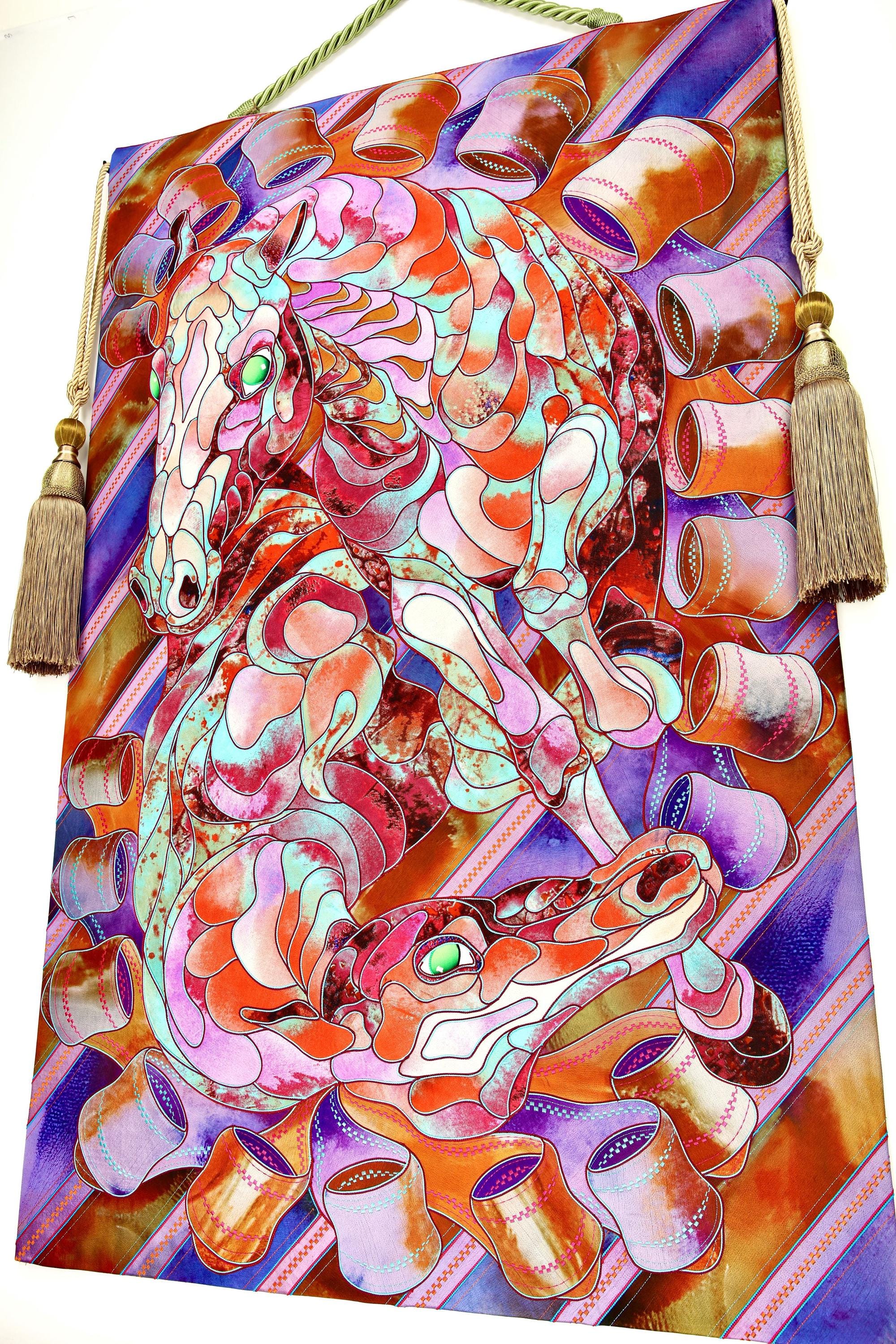
Artistic Acquisitions for Home Decor with a Sense of Immediacy.
Art collecting is a form of self-expression, and a piece of artwork is more than just a decorative element in a room. It can serve as a focal point, uniting various colors, textures, proportions, and subjects. However, the true value of artwork lies in its individual artistic vision. This is particularly important in carefully designed interiors, where commercially produced wall art may simply reinforce what is already present. Unique artwork, on the other hand, adds a sense of tension, personality, and surprise, making the space feel more lived-in rather than finished.Before purchasing a piece, it's important to start by selecting a work instead of an empty wall. Many buyers begin by measuring the space, selecting colors, and considering the overall design. These are important aspects to consider when planning an interior, but they should also follow their initial reaction to the artwork itself.Inquire about the fascinating aspects of a piece of work beyond its initial impression. It could be the figure's posture, the intricate play of colors on a woven surface, or the unexpected energy radiating from a subject portraying an animal. Consider whether the artwork has a visual language that you would like to encounter again and again. Art in a main living area is not just viewed once. It becomes an integral part of your daily routine.The material itself plays a significant role in this process. Silk changes its appearance depending on the light of day and night, gaining a subtle glow that paint can't replicate. Embroidery adds elements of relief, depth, and subtle variations, inviting closer examination. Textile-based sculptures can create both shadows and images, making them particularly compelling in spaces where traditional framed art might feel too familiar.For collectors who appreciate the craftsmanship of art, these aspects are not just details. They are integral parts of the artistic expression. The effort, attention to detail, and physical qualities of the medium give a work a presence that digital images cannot fully convey.Scale as a Form of Composition:Dimensions are more than just technical specifications. They determine the impact of a piece in a space. A small work placed above a large sofa may seem hesitant, even if it's beautifully crafted. On the other hand, a large work in a cramped or visually busy area may not get enough attention. Before buying a work, consider the available wall space and furniture around it. Leave plenty of space around the piece so its shape, texture, and image can be fully appreciated.The distance at which one views a large-scale textile artwork is just as important as the size of the wall it's displayed on. This art often presents a complete image or powerful color field from a distance, but up close, the threads, stitches, and surface construction become more visible. A collector should be able to appreciate both perspectives.When shopping online, knowing the exact dimensions in inches and centimeters can help make the process easier, but a simple paper template on the wall can also be useful. It allows you to quickly assess the proportions and determine whether the artwork should be displayed alone or as part of a larger display. In exceptional interior designs, significant textile works often benefit from being displayed separately. Their visual complexity makes them well-suited for that position.