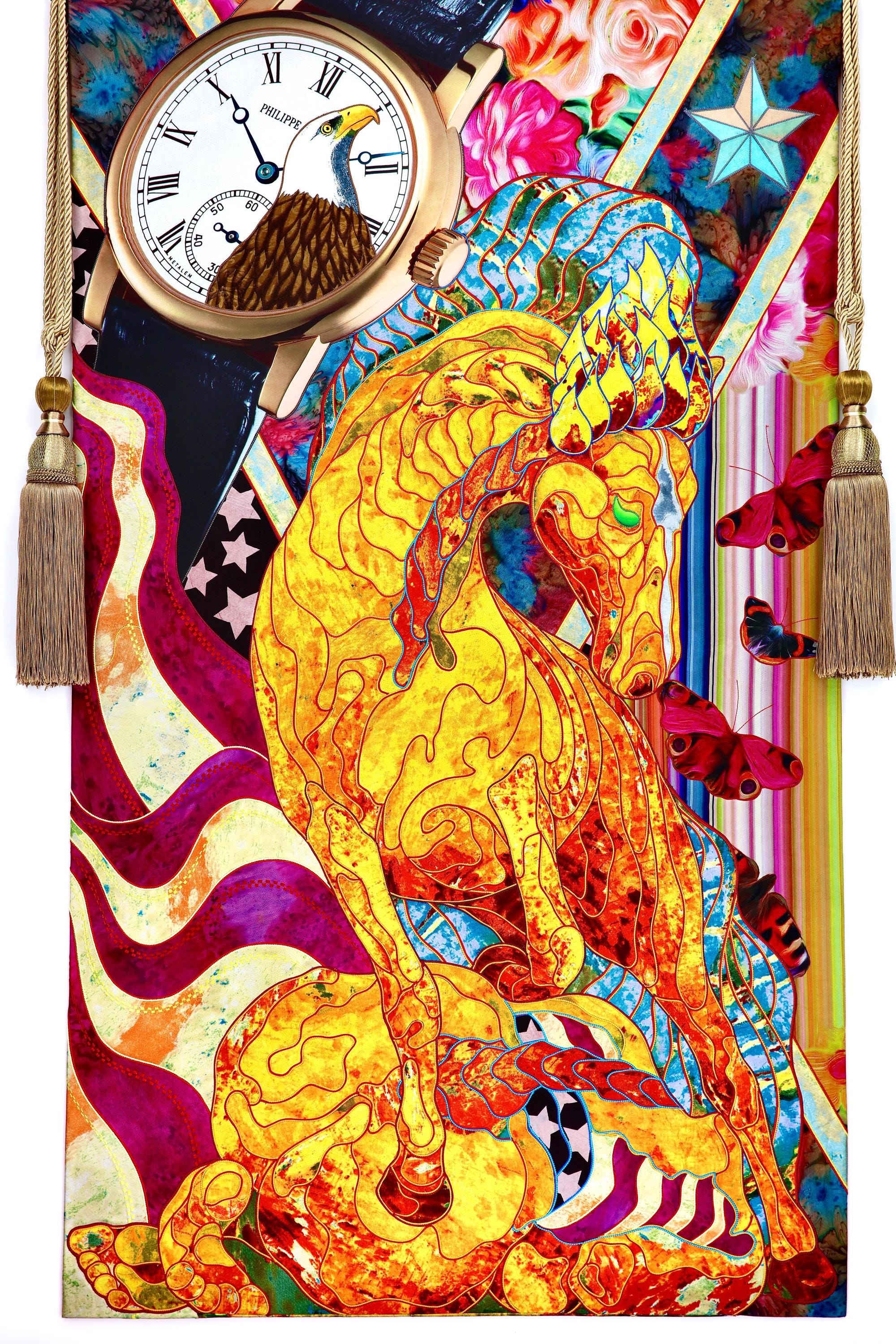
Fiber Art: A Unique and Creative Form of Expression
Fiber sculpture is a unique form of artistic expression that combines textile materials and techniques to create three-dimensional works. Unlike traditional weaving or tapestry, which are two-dimensional, fiber sculpture allows artists to go beyond the surface and create complex shapes and forms. This includes shaping, layering, embroidery, wrapping, knotting, and construction, as well as suspension.One of the key differences between fiber sculpture and other forms of art is that it not only represents a form, but also has a physical presence. This allows for a wider range of possibilities in terms of design and presentation. Some fiber sculptures stand alone, relying on mass and volume to draw attention from all angles. Others are mounted on walls or other surfaces, but still retain a sculptural quality with raised elements and layered relief. In sophisticated interior spaces, these wall-mounted pieces can be especially captivating, adding depth and dimension to a wall without taking up floor space.Silk adds a touch of elegance to any design. Its natural sheen can vary from matte to lustrous, creating a unique and intricate effect when viewed from different angles. In large-scale works, silk can add movement and depth without the need for bold colors. It captures light in a way that paint and synthetic fabrics can't replicate, adding a delicate quality that enhances the overall design.In interior design, designers often choose hard materials like stone, plaster, glass, metal, and wood for their durability and polished finish. However, all-hard materials can create a sterile and uninviting atmosphere. The addition of fibers like silk adds warmth and texture, bringing a human element to the space without compromising its architectural clarity.The impact of textile sculpture is not just aesthetic. It absorbs light instead of reflecting it uniformly, creating a softer visual impression. Silk surfaces can make a living room feel more intimate, while three-dimensional embroideries can add depth to hotel suites or reception areas, where acoustics and ambience are as important as appearance.Collectors appreciate the uniqueness of handmade textile works, which preserve the traces of an artist's decisions. These include where threads gather, forms overlap, or lines break or intensify, distinguishing collectible fiber art from mass-produced wall hangings that attempt to mimic craftsmanship.Fiber art has transcended the traditional divide between art and craft, becoming a significant medium for contemporary artists. Today, collectors and institutions recognize textile art as an important form of expression, capable of exploring a wide range of themes, including identity, mythology, memory, nature, abstraction, and the human form.Artists who work with thread do not see it as a substitute for traditional painting materials. Instead, they use the unique properties of thread to create works that can't be replicated with paint. The power of fiber sculpture lies in its ability to create tension. A familiar object or movement becomes more abstract and mysterious when transformed into a work of art using silk and thread.The texture of the material disrupts our sense of certainty, making the colors more tactile and the subject both intimate and distant. This allows artists to convey the emotional impact of their images while maintaining a sense of craftsmanship.This is why textile artwork featuring animals and figures can be a key element in a collection. It brings narrative into the interior without being illustrative in the traditional sense. For example, a graceful animal shape may suggest vigilance, strength, elegance, or mystery. The layered material construction of the work keeps it grounded in contemporary practice, making it more than just a pretty picture.