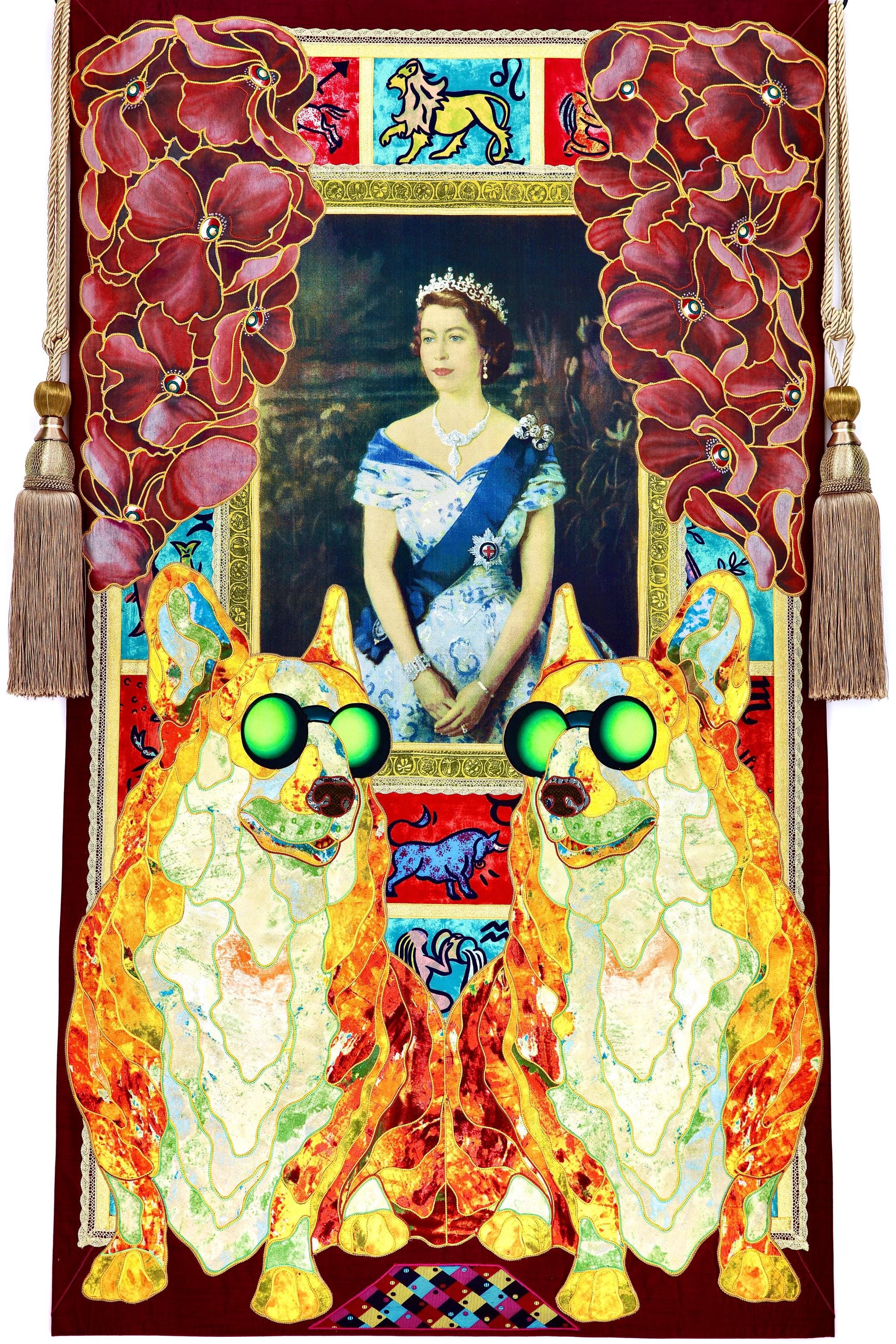
Artistic creations that enhance the beauty and atmosphere of a home.
A gift of art is more than just an expensive item. It is an experience that continues to grow and reveal itself. Unlike a common accessory, a genuine artwork is not defined by a label or a limited edition. Its worth lies in the creator's vision, craftsmanship, and ability to captivate the observer. For those who already have access to beautiful things, this difference is significant.Textile-based art is especially captivating as a present because its visual appeal is inseparable from its materiality and construction. Silk reflects light in different ways across its surface, transforming from a soft sheen to a vivid hue as the day passes. Embroidery adds a sense of texture, rhythm, and human touch that a printed image cannot replicate. The result is a piece that feels modern and deeply connected to craftsmanship.When choosing a designer artwork as a gift, it's important to consider the recipient and not the occasion. An anniversary, birthday, housewarming, or professional achievement may be inspiring, but the date shouldn't dictate the artwork you choose. A gift that's chosen solely for its symbolic value can feel temporary, but a gift chosen for its visual impact has a better chance of becoming a cherished possession.Consider how the recipient responds to visual imagery when choosing a gift. Some people are drawn to figurative works that evoke psychological or nostalgic qualities, while others prefer the energy of animal subjects that create a connection through movement and gaze.The artwork doesn't need to match every other object in the room, but it should complement the recipient's preferences for color, style, and storytelling.It is also important to consider the level of experience of the recipient when selecting a piece of artwork. Experienced collectors may appreciate a piece that expands their knowledge and understanding of contemporary art, while first-time recipients may benefit from something that is more accessible and visually appealing.Both approaches have their merits, and the key is to choose a piece that feels personal and meaningful to the recipient. The goal is to foster a lasting relationship with the artwork, rather than just a passing interest.One practical consideration is the space in which the artwork will be displayed. If the gift is for a new residence or specific interior, it is important to take the space into account when selecting the piece. The scale and placement of the artwork should be carefully considered to ensure that it has the impact it deserves.Large-scale silk tapestries and textile sculptures can be a stunning addition to any room, acting as the focal point and adding depth and interest to the space. They can be used to anchor a grand entrance, create a cozy atmosphere in a dining area, or add warmth and artistic flair to a bedroom.In hospitality settings, these works of art provide a striking contrast to hard, polished surfaces such as stone, glass, and metal. A standout piece of artwork doesn't need to be accompanied by other pieces, as giving it some space allows its intricate details to be appreciated both up close and from a distance, particularly for silk works whose textures and tones are enhanced by close and distant viewing.When presented as a gift, the material used to create the artwork is an important consideration. Silk works convey a sense of craftsmanship and attention to detail, reminding the recipient that they are not just a decorative item but a tangible object with real substance.Silk has a unique ability to radiate light, without becoming overly reflective. It gives colors depth, yet its surface maintains a delicate and subtle appearance. In embroidered artworks, the thread acts as both a line and a structure. Artists don't simply apply an image onto a surface, they develop it through the accumulation of fibers, stitches, and careful variations in density.In exquisite interiors, where texture is often key to creating spaces that feel thoughtful rather than just furnished, a museum-quality silk tapestry adds a touch of softness, without compromising artistic integrity. It seamlessly blends with contemporary furniture, antique pieces, sculptural lighting, or subdued architectural details, bringing its unique language of materiality to the space.For the recipient, the quality of the gift's craftsmanship also enhances its value. Rather than presenting something designed for a short-lived visual impact, you are offering a gift that represents time, skill, and a unique artistic approach. These qualities continue to be evident long after the wrapping has been removed.