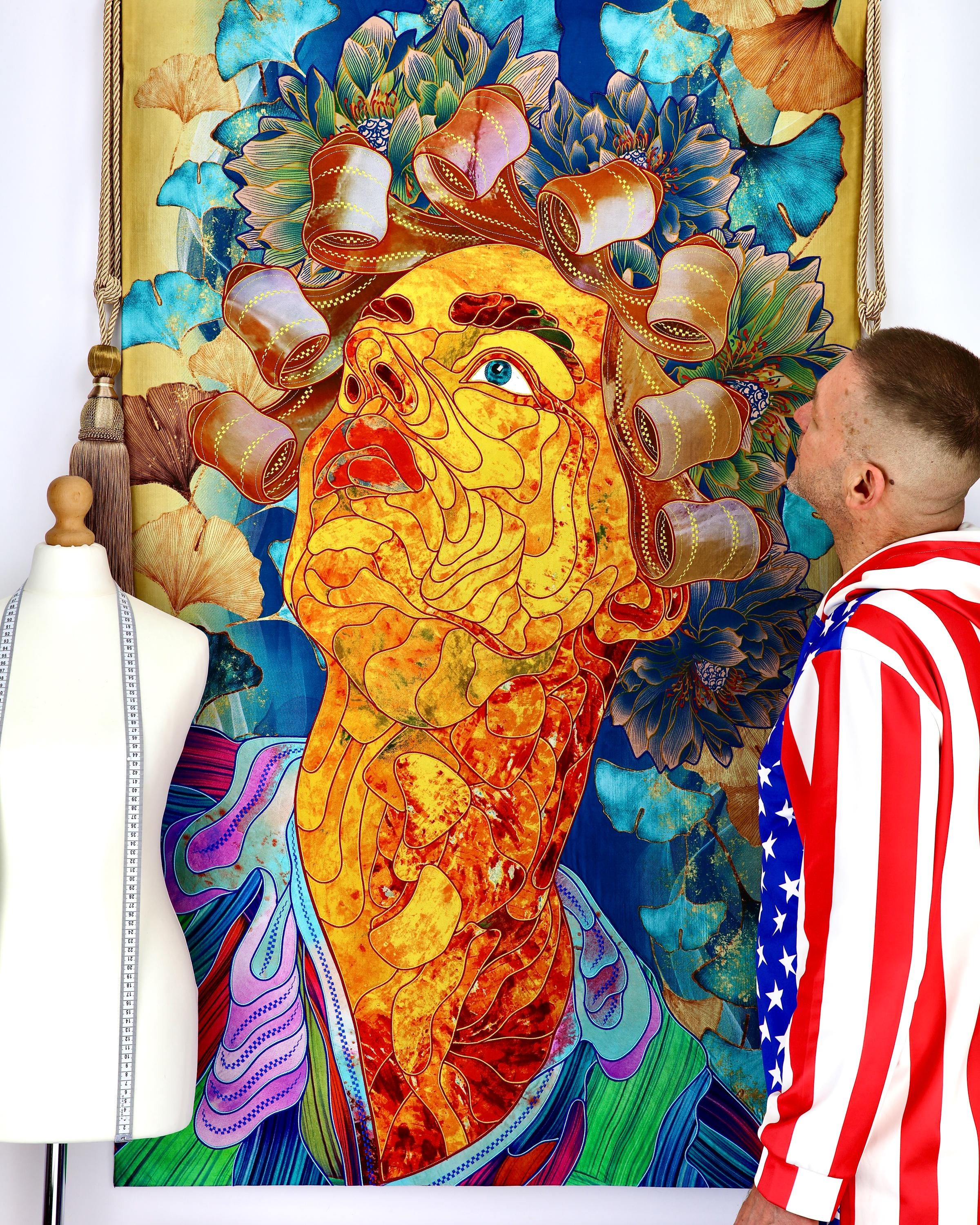
The Evolution of Touchable Surfaces: A Preview for Connoisseurs
For many years, luxury interiors were defined by their impeccable finishes, such as gleaming stone, crisp lacquer, and expansive glass. These materials continue to have their place in architecture with strong lighting and proportion, but a strictly smooth interior may feel distant and not always inviting.A renewed focus on tactile surfaces reflects a desire for rooms that evoke emotion. Materials like plaster, woven fabrics, hand-crafted wood, and raw silk introduce a sense of variety that can be felt by the eye. Even when an artwork is not directly touched, its texture, shape, or sheen can create a sense of craftsmanship and the time that went into its creation.This is particularly important in high-end homes and hospitality settings, where interior design is expected to go beyond a superficial impression. A space with rich textures reveals its true nature gradually. In the morning, light reveals the subtle glow of silk, and in the evening, it deepens shadows and brings out intricate details of embroidery, giving the interior a dynamic character that extends beyond a single moment in time.The future of tactile design is about more than just adding texture randomly. Furniture with a bouclé finish and paneling with ribbed patterns have become familiar visual cues, but the more enduring trend is using selective material contrasts, where each element has a specific purpose. Stone with prominent veins adds depth and texture, while furniture with a smooth finish creates contrast.A hand-embroidered silk tapestry can add a touch of softness to a travertine and bronze interior, without making the space feel too casual. Its delicate surface contrasts with the solidity of the background plaster, making it a focal point in the room. Next to richly textured wood, the tapestry creates a dialogue between two different forms of craftsmanship, highlighting the uniqueness of each piece.Collectible art stands out from other decorative elements because it offers a unique perspective and depth. A generic wall hanging may add warmth to a room, but it lacks the complexity and intentionality of a hand-crafted piece. The combination of composition, subject matter, and artistic intent creates a work of art that goes beyond mere decoration.Figurative forms, animal motifs, and abstract shapes all gain impact when created using thread, adding complexity to the image and creating a sense of depth. From a distance, the piece may appear like a painting, but up close, the intricate stitches, silk threads, and meticulous attention to detail become apparent.The visible authorship of the piece is evident in every stitch, allowing the viewer to appreciate the skill and creativity that went into its creation.The future of interior design is likely to prioritize the visible evidence of craftsmanship. While the pursuit of perfect uniformity still has its charm, it is no longer seen as the sole authority in design. Collectors are recognizing that subtle variations in stitching direction, hand-drawn lines, and nuanced shifts in texture create something that cannot be duplicated by industrial production.These subtle differences enhance the uniqueness of a piece and give it a distinct identity. When a work of art is clearly linked to the artist's style, it becomes more than just a textile that matches a seasonal palette. It becomes a part of a collection with a story that grows over time.For buyers who want their artwork to serve more than a decorative purpose, this distinction is significant. In an exceptional interior, a museum-quality silk tapestry can create the emotional atmosphere of a room. The furniture and lighting can frame it, but the artwork is what determines the focus.Quiet maximalism, not visual clutter.Finding the right balance is key. The more intricate the artwork, the simpler the surrounding space should be. Patterned rugs, ornate lighting, and intricate textiles can all compete if they receive equal attention. Instead, a designer may choose to let the artwork take center stage, with matte walls, tailored upholstery, and more muted objects providing support.